Online Reporter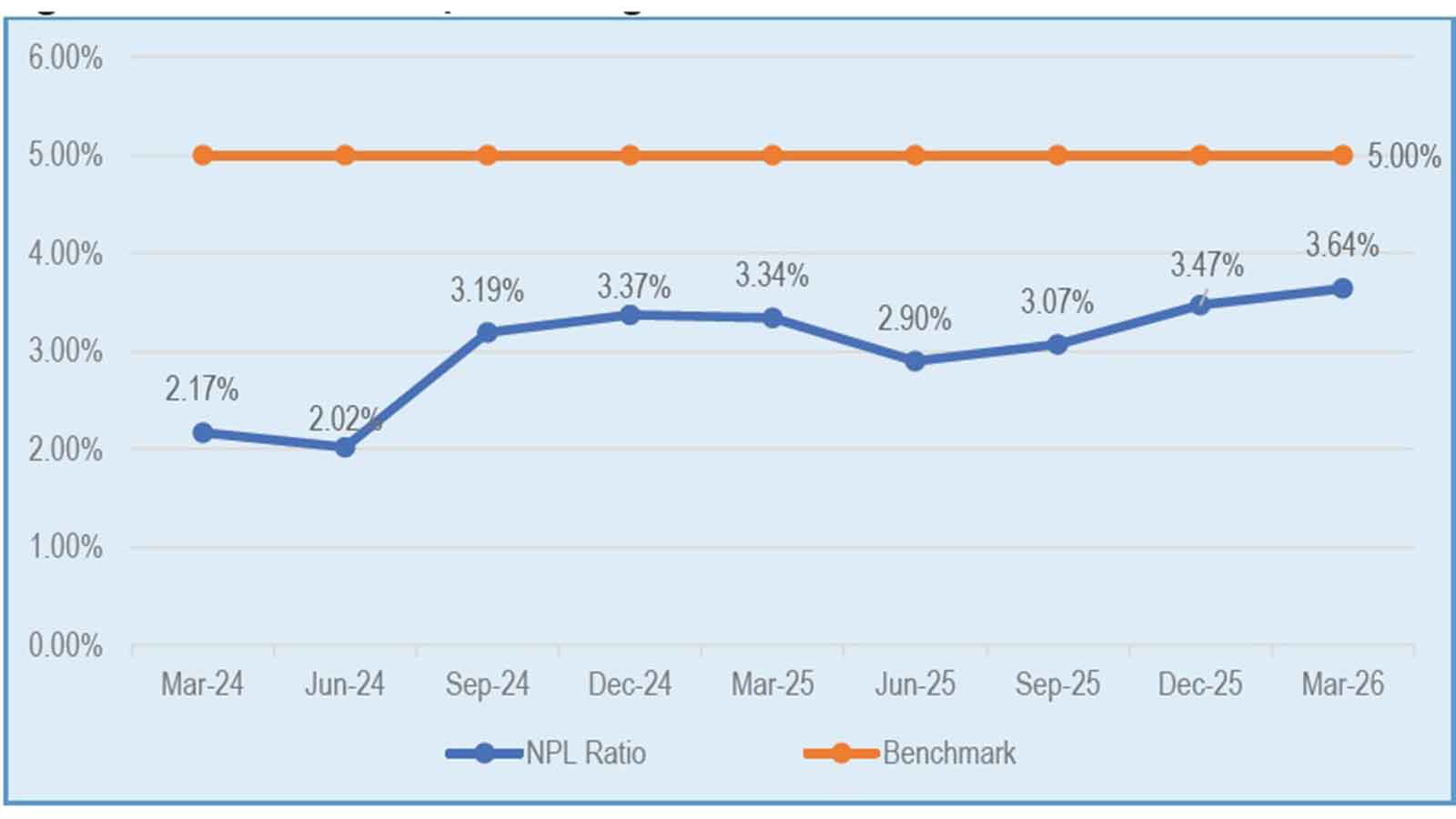
Nelson Gahadza-Business Reporter
Zimbabwe’s stable banking sector and continued monetary discipline have strengthened public confidence in savings, supported by a sound financial system characterised by low non-performing loans, controlled money supply growth and a stable macroeconomic environment.
Presenting the 2026 Mid-Term Budget Review in Parliament on Thursday, Finance, Economic Development and Investment Promotion Minister Professor Mthuli Ncube said prudent monetary management had maintained financial sector stability while creating conditions conducive to savings and investment.
“On monetary developments, monetary stability has been maintained,” Prof Ncube said.
He said reserve money had been expanding steadily at around 20 percent, while broad money supply grew by 30,6 percent from the ZiG108,1 billion recorded in December 2025.
According to the Minister, the local currency component of reserve money increased by 30,4 percent from ZiG5,9 billion over the period, remaining well within the Reserve Bank’s target for the second quarter of 2026.
“The restrained growth in monetary aggregates has ensured that exchange rate and inflationary pressures continue to move in line with GDP growth and regression targets,” he said.
The stable monetary environment has been instrumental in preserving the value of savings following years of exchange rate volatility and high inflation that had eroded confidence in the financial system.
Prof Ncube said the banking sector remained resilient, providing a solid foundation for financial intermediation and economic growth.
“As at March 31, 2026, the banking sector comprised 382 banking and non-bank financial institutions,” he said.
He added that the sector remained safe and sound with the ratio of non-performing loans to total loans standing at 3,64 percent, comfortably below the internationally accepted benchmark of 5 percent.
The aggregate value of banking sector loans and advances reached about ZiG85 billion at the end of June 2026, reflecting continued credit support to productive sectors of the economy.
Prof Ncube also said activity on Zimbabwe’s two stock exchanges remained firm during the first half of the year, with both the Zimbabwe Stock Exchange and Victoria Falls Stock Exchange recording active trading that supported market capitalisation growth.
The Minister attributed the stability in the financial sector to coordinated fiscal and monetary policies that have kept inflation and exchange rate movements under control.
He also highlighted improved fiscal performance, revealing that Government collected ZiG137,8 billion in revenue during the first six months of the year against expenditures of ZiG123,6 billion.
The resulting budget surplus, he said, was channelled towards servicing public debt and settling arrears owed to service providers, reinforcing Government’s commitment to fiscal discipline and macroeconomic stability.