Chronicle Editor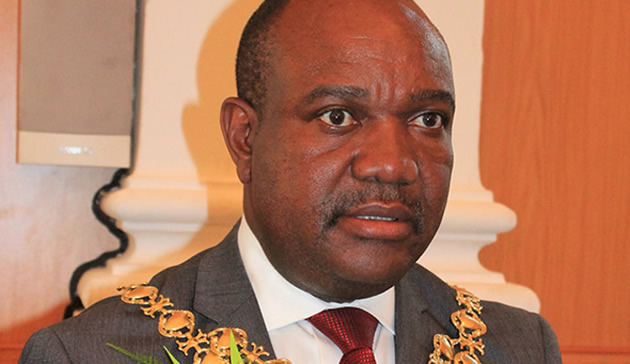
Herald Reporter
Government’S move to ban conventional meters and make pre-paid meters mandatory is set to improve the revenue of local authorities and in turn improve service delivery which has plummeted to unacceptable levels, local authorities have said.
Government recently ordered local authorities to install pre-paid water meters to increase council revenues. Local authorities are owed almost $1 billion by ratepayers. Urban Councils Association of Zimbabwe president, Harare mayor Bernard Manyenyeni said historical collection models have failed councils.
“The need to fund current and future water solutions demands definite assurance regarding water revenues. Councils must combine business with welfare in order to survive. That is the neglected truth,” he said.
Kadoma mayor Muchineripi Chinyanganya said the decision would ensure guaranteed revenue for councils. “It is a very noble idea to have pre-paid meters being made mandatory because councils will have guaranteed revenue. Look at Zesa, since they introduced pre-paid meters everyone is paying. So likewise everyone will pay their bills to council and councils will be able to provide adequate services,” he said.
Masvingo mayor Hubert Fidze said residents had demanded pre-paid water meters. “When we carried out our pre-budget consultations residents were crying for them. They were saying they would want to pay off their water charges before use so they can manage their consumption,” he said.
Last month, Finance and Economic Development Minister Patrick Chinamasa said Government was seeking practical ways to assist local authorities after ruling out another debt cancellation for residents in all local authorities.
He said councils lost more than half a billion dollars following the 2013 debt write off. The 2013 decision, Government said, crippled most councils and measures were being considered to help the affected local authorities.
He urged the local authorities to install pre-paid water meters to help boost revenue collection and to do away with unsustainable employment costs. Minister Chinamasa said Government had instructed Zesa Holdings to have pre-paid meters to help revenue collection and councils should follow suit.
In 2013, Government ordered all 92 rural and urban councils to write-off debts owed by residents since February 2009 to June of that year. This followed complaints by residents’ associations over arrears caused by unjustified increases in rates and bills by the MDC-T-led councils, especially in urban areas.
As of July this year, major local authorities were owed over $1 billion in unpaid bills by residents, Government, industry and commerce, a situation partly to blame for poor service delivery by most councils.
Some local authorities are reportedly failing to collect refuse and provide other basic services and to pay salaries.
Residents, commerce and industry are said to be the biggest culprits.



 Online Reporter