


 Andrew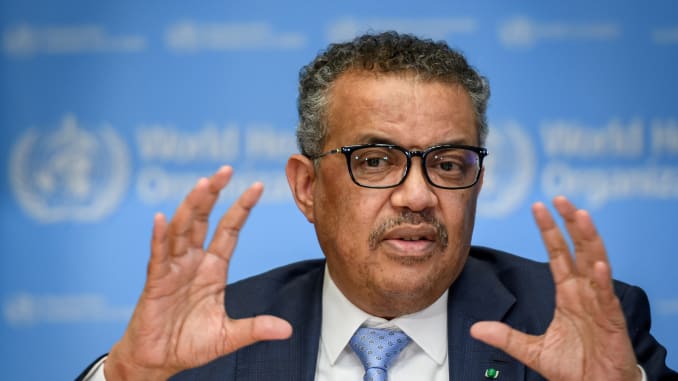
Andrew Moyo
The coronavirus pandemic has brought a significant chunk of the globe to a standstill with many countries introducing various control measures in the fight against this scourge.
Lockdowns, either partial or total, have been among some of the measures being implemented, with Zimbabwe also taking this route which has seen the populace being encouraged to stay home for a 21-day period.
While there are just a few days to go before the country’s lockdown period lapses, there is speculation as to whether the lockdown will be extended. Addressing the media in Kwekwe early this week, after touring the Midlands city to assess how effectively the lockdown is being implemented, President Emmerson Mnangagwa said he will, after broad consultations, announce the way forward by Sunday.
As much as people might want to go back to their normal routines, the World Health Organisation (WHO) has urged countries to be wary of how they lift their control measures.
During his opening remarks at a Covid-19 media briefing earlier this week, WHO director-general, Dr Tedros Adhanom Ghebreyesus, said Covid-19 accelerates very fast and decelerates much more slowly which means control measures must be lifted slowly, not all at once.
“Control measures can only be lifted if the right public health measures are in place, including significant capacity for contact tracing,” said Ghebreyesus.
He also added: “As I have said many times, physical distancing restrictions are only part of the equation, and there are many other basic public health measures that need to be put in place.”
Governments have been urged to assess their situations while protecting all their citizens, especially the most vulnerable.
Countries are also being encouraged to strike a balance between measures that address the mortality caused by Covid-19, and by other diseases due to overwhelmed health systems, as well as the social economic impacts.
“As the pandemic has spread, its public health and socio-economic impact has been profound, and have disproportionately affected the vulnerable. Many populations have already experienced a lack of access to routine, essential health services.”
Meanwhile, WHO is also updating its global response strategy which includes six criteria for countries as they consider lifting restrictions.
First, that transmission is controlled; second, that health system capacities are in place to detect, test, isolate and treat every case and trace every contact; third, that outbreak risks are minimised in special settings like health facilities and nursing homes; fourth, that preventive measures are in place in workplaces, schools and other places where it’s essential for people to go; fifth, that importation risks can be managed; and lastly,, that communities are fully educated, engaged and empowered to adjust to the “new norm”.


 Bongani Ndlovu
 Online Reporter