


 Ashly Dhani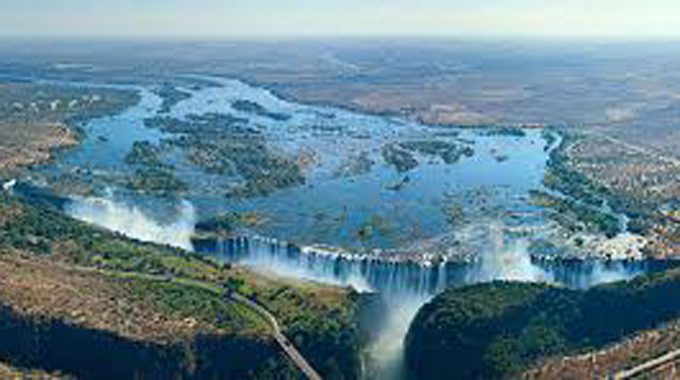

#TravelTomorrow – this is what everybody in the tourism industry is saying. Stay home, stay safe so we can see you tomorrow. And see you we will.
There is no doubt that tourism has become a necessity for most people. The nature of our work and world makes it so. And now, especially now, going through lock down, all that people are dreaming of is getting out and travelling. So, it is important to start preparing for the tomorrow.
After the previous blog, I engaged in many conversations on the future of tourism. Some people asked me to give more insight, which I clearly cannot because I’m not a fortune teller. It did, however, prompt me to find out more, so, I engaged in more conversations. I engaged in webinars and chats on social media and what is clear from all the discussions is this:
First, there is a lot of panic concerning the future of travel – not just from employees but from captains of industry. This is understandable, as many people have had to be laid off. Some, without being told, know already that this is the situation, depending on the nature of their job.
Unfortunately, this is the nature of tourism jobs. Winnie Muchanyuka, president of the Tourism Business Council of Zimbabwe (TBCZ), acknowledges that the future is looking bleak given Covid-19, particularly considering the fact that global travel is determined by travel restrictions imposed by national governments.
Ms Muchanyuka says the airline and aviation industry have been hit the hardest. She added that many accommodation facilities have also been closed such as the Cresta Group and African Sun Group hotels as well as many other smaller properties across the country. Victoria Falls, which is usually a hub of activity, has come to a standstill because of people’s inability to move around.
Second, although it is a global pandemic, Africa and many other less economically developed nations face bigger challenges. Even though it is well acknowledged and it is very clear that tourism forms a strong economic backbone in these nations.
Unfortunately, for a number of these nations, when it comes to government funding, the tourism industry in these nations is not given much. Whilst the more economically developed countries are offering concessions to tourism organisations such as tax reductions or pay-outs, or government-funded furlough schemes and aid, however, this, too, remains unsustainable even in those economies as government funds come from taxes and these can eventually be depleted if no taxes are coming through.
Ignatious Matungamire, chairman of the Association of Zimbabwe Travel Agents (AZTA) and group CEO of Perennial Travel and Perennial Real Estate, says that he hopes that Government will be able to give a helping hand or funds particularly to the small businesses to help them recover, considering that these organisations employ a great number of people in the tourism industry.
Mr Matungamire says organisations are trying to cut costs and keep jobs, unfortunately no-one knows how long Covid-19 will last.
Resuscitating the Domestic Market
Everybody is talking of the domestic market as a starting point. It might be the only option that the tourism market has post Covid-19. The reality on the ground is that people, the customers, have also lost income during lockdowns and so tourism operators need to be mindful of this as they re-start their operations.
New skills and services are going to be needed as the industry adapts to the travellers’ new habits. Within a very short period of time people have become accustomed to behaving differently. Social distancing, constant sanitising, are all things the operators have to bear in mind, particularly the fact that travel itself has been deemed dangerous at the moment. Creativity at its highest level is needed.
Readjusting and Embracing the New
Without health, safety and security, the industry is dead. Additionally, tourism can only and will only be considered by a traveller, after all other basic needs have been met. Something which may be an uphill task for the majority of the domestic market.
This creates an additional challenge for tourism organisations. Not an impossible one, but it could be difficult depending on the nature of the organisation and the innovation of the organisation. So in preparing for tomorrow, tourism organisations need to bear all these factors and more in mind.
Fortunately, there is always a silver lining in every storm. Ms Muchanyuka says the tourism industry, together with the Zimbabwe Tourism Authority and the Ministry of Environment, Climate Change and Tourism, are putting together a recovery strategy for tourism. In addition to that, she says this is a good opportunity for domestic travel to recover in the event that international travel bans are not lifted.
Prepare for Tomorrow
One of the United Nations World Tourism Organisation’s (UNWTO) points in moving forward is preparing for tomorrow.
The clarion call for players in the tourism industry is on sustainability and responsible travel. Like I have said before, we don’t know what will become, but we can control what we should become.
Stay home, stay safe … for now. For tomorrow, we enjoy more #HappyTravelling!
Mazwi Shamu is a teacher and travel and tourism blogger. She can be reached on [email protected]



 Bongani Ndlovu
 Online Reporter