Chronicle Editor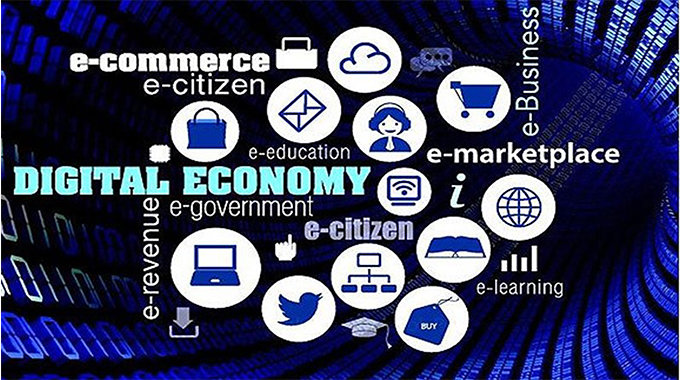
Sithabile Gandi Ndlovu
The year 2020 had been marked as the start of “The Decade of Action” with calls for all nations to accelerate sustainable solutions to the world’s biggest challenges ranging from poverty and gender to climate change, inequality and closing the finance gap.
The coronavirus pandemic quickly stole the spotlight within the first quarter of 2020, speeding up the transition for most countries to a digital economy while in some way exposing the digital gap between countries and societies.
If ever there were any lingering doubts about the necessity of digital transformation to business permanency, the coronavirus has silenced them. In a contactless world, the majority of interactions with customers and employees must take place virtually.
With rare exceptions, operating digitally is the only way to stay in business through mandated shutdowns and restricted activity. It’s go digital, or go dark. However, does the current environment allow for this to be a reality that can be enjoyed in Zimbabwe?
Of course, the digital mandate isn’t new, the pandemic has simply brought it into sharp focus. Prior to the pandemic, a metamorphosis towards the Fourth Industrial Revolution and the digitalisation of the economy was already underway, the Covid-19 pandemic accelerated the process though it is clear as day that this was a journey we had not yet adequately prepared for.
The scholarly definition of a digital economy is the range of economic activities that use digitised information and knowledge as key factors of production. Simply put, it is the use of digital computing technologies for economic activities. While digital solutions have played a vital role in mitigating economic losses during the pandemic and maintaining connection and communication, it has exposed the capacity challenges within Zimbabwe’s digital economy.
On the upside, telemedicine, telework, and online education have become essential to help slow the spread of the coronavirus. The downside however is that in Zimbabwe, the unequal distribution of technological advancement initiatives has caused a stark digital divide.
It doesn’t take much to see that internet access, education, skilled employment and technological innovation are stratified along class and racial lines.
There is a need for enabling and empowering policies that allow the improvements to businesses, education, health care and livelihoods for all. Much more attention should be given to bridging existing and emerging digital divides to allow more people to take advantage of digitalisation.
Zimbabwe is lagging behind like most African and developing countries in several aspects essential for capitalising of the digital economy and swiftly transitioning into the Fourth Industrial Revolution (4IR), such as infrastructure, technology access and education.
In efforts to bridge some of the gaps within the digital economy, it is recommended that Government, at a local and regional level focus on education and reskilling programs that ensure technologies supplement rather than replace labour. In addition, it helps citizenry have a better understanding and appreciation, to enable them to know what technological solutions to apply to which circumstances, thus making them “tech-intelligent” and “tech-cautious.”
It is particularly important to ensure that young people, and those running small to medium enterprises become tech savvy, as the pandemic has had significant economic development implications that cannot be ignored.
It is important to ensure that those within the working age that are less digitally equipped are not left behind now and in a post Covid-19 world. State and institutional capacity must be reinforced, this includes issues such as cyber security, service delivery, policy and regional cooperation so as to drive and support innovation and create an enabling business environment.
Access to physical and digital infrastructure that supports advance technology must be provided. This includes electricity and broadband internet so as to ensure that technology provides sustainable and inclusive growth. To avoid catastrophic socioeconomic revenue losses, the country has no choice but to shift focus to building better digital channels and aggressive pivot to a digital economy model. Newsflash!
There will be no “return to normal.”
The coronavirus is permanently reshaping the way we live and work. Some of the behaviours developed in this period including wide-scale digital adoption will outlast the pandemic, well after restrictions on activity are lifted.
To stay competitive, businesses and economies must respond to these behavioural changes and meet emerging consumer demands.
Readiness to transformation begins with accepting the new normal and putting in place what works for the sustainability of a digital revolution in all round economic world, together with sustainable interventions to stay competitive in the ever-evolving tech environment.
*Sithabile Gandi Ndlovu is a business systems analyst who is enthusiastic about technojournalism and technoprenuership. She has a keen in interest in cybersecurity, systems audit and IT governance.
Feedback: [email protected]



 Online Reporter