

 Online Reporter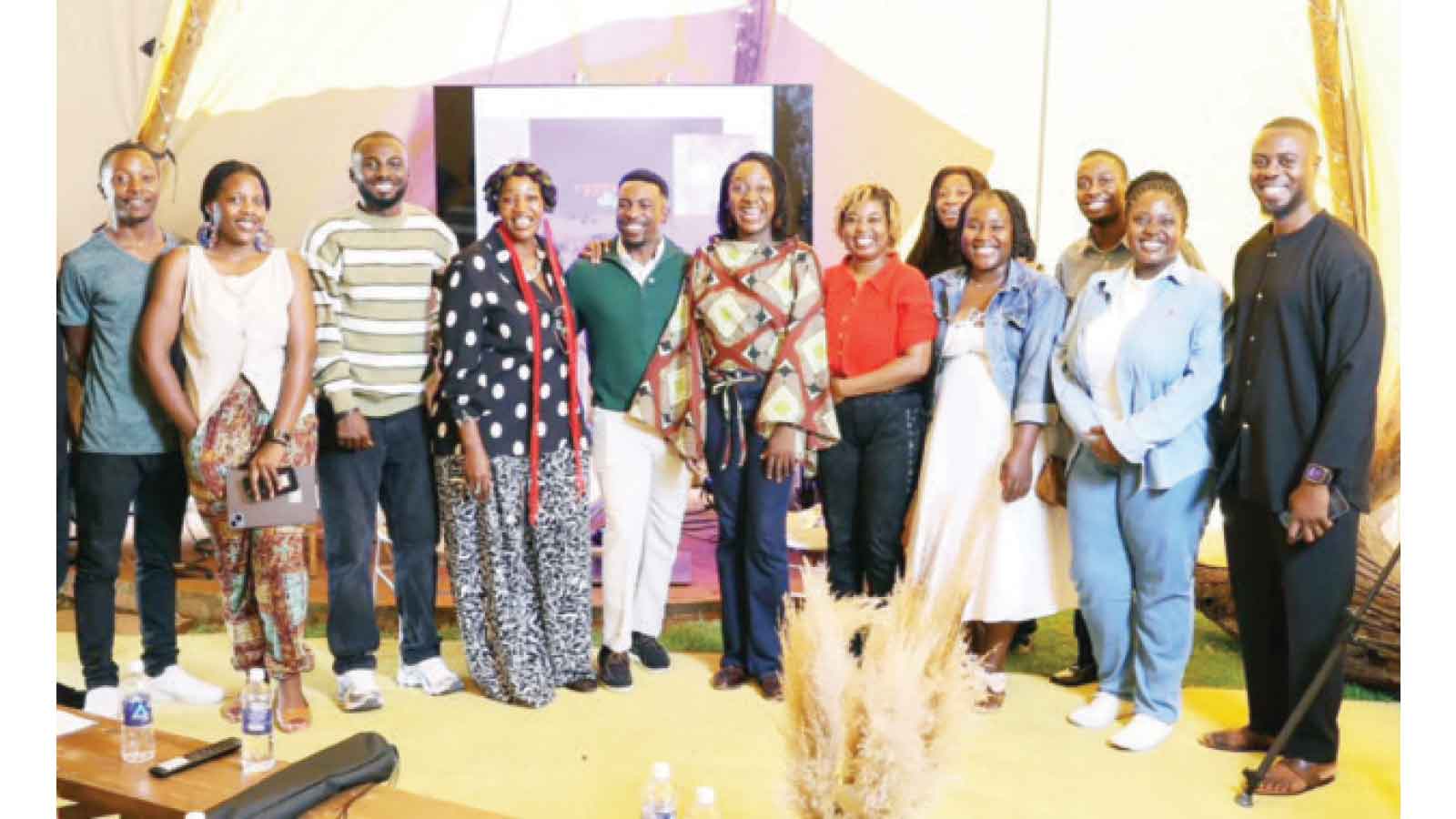
Tafadzwa Zimoyo-Zimpapers Entertainment Editor
The third edition of Creative Economy Week Zimbabwe 2026 concluded on a high note after six days of collaboration, learning and creative exchange that brought together designers, musicians, entrepreneurs, and policymakers committed to strengthening Zimbabwe’s growing artistic industries.
Hosted by the British Council in partnership with the Embassy of Switzerland in Zimbabwe, the event ran from March 2 to 7 under the theme “Inclusive Growth Through Collaboration — Kuvaka Pamwe, Ukukhula Okuhlanganisayo.”
Throughout the week, creatives engaged in masterclasses, panel discussions, workshops and networking sessions designed to bridge the gap between creativity and business sustainability. Participants explored ways to transform artistic talent into viable enterprises capable of competing locally and internationally.
According to organisers, the programme aimed to strengthen systems that support creative practitioners beyond simply celebrating their work.
“Creative Economy Week is where we shift from celebrating talent to strengthening the systems that help creative practitioners earn and scale,” said Lloyd Anderson, Country Director of British Council Zimbabwe.
“Through our partnership with the Embassy of Switzerland, we’re backing practical pathways, skills, networks and market connections, that support sustainable growth in the creative industries.”
One of the stand-out experiences during the week was the flagship manufacturing immersion held at David White-head Textiles in Kadoma. The session provided designers with rare access to an industrial textile manufacturing environment where they gained practical insights into production standards, quality assurance and production planning.
The exposure was particularly valuable for emerging designers seeking to scale their brands beyond small-scale production.
By understanding how large-scale manufacturing processes work, designers were able to see how Zimbabwe’s fashion sector could potentially integrate local textile production into globally competitive fashion brands.
Government representatives also reaffirmed their support for the creative industries, highlighting the sector’s potential contribution to national economic growth.
Ministry of Sport, Recreation, Arts and Culture, Director of Arts and Culture Dr Biggie Samwanda said authorities are actively working with creatives to strengthen the industry.
“Besides making policy, the Government also ensured that our two parastatals, that is the National Arts Council of Zimbabwe and National Gallery of Zimbabwe are out there building capacity amongst the creatives,” said Dr Samwanda.
Mid week sessions focused on equipping creatives with financial and investment knowledge necessary for building sustainable businesses.
Investment professional Peggy Mapondera led a practical session that guided participants through the investment process, encouraging creatives to think beyond basic bookkeeping and to structure their enterprises for growth and investment readiness.
Music industry professionals also benefited from specialised sessions exploring the digital economy. Representatives from Mavin Records, the Nigerian label founded by renowned producer Don Jazzy, shared insights into digital content creation and audience growth through streaming platforms.
The programme also featured the Magitare Confluence, a half-day conference that brought together leaders from various creative sectors to discuss opportunities and challenges within the industry.
Among the speakers was David Coltart, Mayor of Bulawayo, who joined industry stakeholders in exploring how the creative economy can contribute to urban development and employment creation.
Fashion designers were among the most active participants throughout the week, attending specialised sessions aimed at strengthening the fashion ecosystem.
One such session, “Running a Fashion Brand as a Social Enterprise,” was facilitated by Batoka Creatives together with Pakistan-based creative entrepreneur Amneh Shaikh-Farooqui. The discussion explored how fashion businesses can integrate social impact, sustainability and ethical production practices while remaining commercially viable.
Another highlight was the “Threads of Heritage: Fashion as Film & Story” panel discussion, where designers and creatives explored how fashion can serve as a medium for storytelling and cultural preservation.
Participants examined how garments, textiles and visual storytelling can communicate heritage, identity and community narratives in contemporary fashion design.
In addition to fashion-focused sessions, creatives also took part in the Farm to Fashion panel discussion, which examined opportunities within Zimbabwe’s textile value chain.
The discussion emphasised the importance of strengthening links between agriculture, textile production and fashion design in order to create a more integrated local industry.
The final day of the programme brought music industry discussions led by Kay Media Africa, focusing on how African artists can leverage technology, collaboration and digital platforms to expand their reach.
A fireside conversation with Zimbabwean pop artiste Gemma Griffiths provided a fitting conclusion to the week. Griffiths shared her personal experiences navigating the music industry, offering advice on breaking barriers and building a sustainable creative career.
As the event drew to a close, designers and creatives showcased their work while reflecting on the connections and knowledge gained throughout the programme. From textile production and fashion storytelling to digital distribution and creative entrepreneurship, the week high-lighted how collaboration across sectors can unlock new possibilities for Zimbabwe’s creative economy.



