


 Online Reporter
Trust Khosa
Zimpapers Arts and Entertainment Hub
AS is always the case, the creative community was difficult to ignore in 2025.
It had more than its fair share of success stories, unexpected shocks and moments of sadness and triumphs.
It also heralded the emergence of new stars.
Encompassing genres such as theatre, film and television, fashion, modelling, visual arts, literary arts and dance, the creative landscape is thriving.
Visual arts
Without fear or favour, creatives in this particular genre have made a huge impression by marketing Zimbabwe abroad.
Although they have yet to be fully embraced at home, they continue to make a name for themselves on the international market.
Breaking into the global market, with assistance from the National Gallery of Zimbabwe, has instilled hope in many visual artists, who often feel under-appreciated at home.
Visual arts encompass various mediums, including painting, photography, sculpture, drawing, installation and digital arts.
Moffart Takadiwa of Mbare Art Space was undoubtedly the busiest among them, as he frequented many international galleries selling his art collections.
“The visual market has been growing gradually for many years,” he emphasised in a recent interview with Zimpapers Arts and Entertainment Hub.
“It’s not a sudden phenomenon; we have many years of building as a country, with institutions like the National Gallery of Zimbabwe acting as an agent of the Government in supporting the growth of visual art, including Shona stone sculpture, which was a world success.”
One of the remarkable achievements during the past year was Zimbabwe’s dominance at the International Exhibition of Biennale.
Often referred to as the “World Cup of Visual Arts”, this prestigious event has featured Zimbabwean artists such as Takadiwa, Gillian Rosselli, Victor Nyakauru, Sekai Machache, Troy Makaza and Kombo Chapfika.
The strong presence of Zimbabweans there was indeed refreshing.
This year, at the 61st International Art Exhibition at La Biennale di Venezia, five visual artists — Felix Shumba, Eva Raath, Gideon Gomo, Franklyn Dzingai and Pardon Mapondera — will present their works under the theme “Second Nature”, a concept that invites introspection into identity, environment and the layers of cultural memory.
Additionally, two Zimbabwean visual artists — Pardon Mapondera and Nothando Chiwanga — have touched the hearts of millions with their collections, dubbed “Crossing Lines: Contemporary Voices from Zimbabwe and South Africa”, that are currently on display in Dallas, US.
The group exhibition also features South African artist Lloyd Maluleke.
DHV Artworks, in collaboration with Indibano Art Residency under the leadership of Bukekile Dube, is behind this group exhibition.
Further, Zimbabwe will also host the 58th annual conference of the International Committee for Museums and Collections of Modern Art (CIMAM) at the National Gallery of Zimbabwe.
“The hosting of the CIMAM Annual Conference in Zimbabwe in 2026 is significant not only for our nation but for Africa as a whole. This event will bring together at least 300 global museum directors and curators, allowing them to experience Zimbabwean art firsthand,” said National Gallery of Zimbabwe executive director Raphael Chikukwa.
CIMAM 2025 was hailed as a unique platform that brought together international curators, museum directors and art collectors under one roof.
Theatre
For the past five years, this genre seems to have lost its lustre, with a shortage of theatre venues and lack of sponsors being its major undoing.
Theatre gurus like Daves Guzha, Peter Churu, Daniel Maposa, Jasen Mphepo, UK-based Enisia Mashusha and Stanley Mambo, who has settled in Malawi, remain steadfast in pushing this genre.
Last year, Guzha and Churu were the busiest of them all, as they toured the world with their plays.
Back home, Maposa and Mphepo did well by nurturing new talent.
The play “Song Unburied”, which was written by Panashe Chigumadzi and directed by Guzha, made an impact on the international stage.
Featuring performances by Charmaine Mujeri, Dalma Chiwevera, Tinevimbo Chimbetete and mbira player Abel Mafuleni, it has been featured in South Africa, Malawi, Comoros, Barbados and Kenya.
This year, it will be showcased in Lagos, Nigeria, in March and Addis Ababa, Ethiopia, in February.
This is a triumph for Zimbabwean creatives, considering Nigeria’s impact in the arts.
Literary arts
The sector, like theatre, has been adversely affected by lack of funding, while book piracy has reached alarming levels.
It has taken efforts from literary arts gurus like Memory Chirere, Chirikure Chirikure, Albert Nyathi, Ignatius Mabasa, Aaron Chiundura Moyo, Musaemura Zimunya and Dr Samuel Makore to revive the genre.
These luminaries are not only authors or storytellers; literary arts is their lifestyle.
It was also a marvel to see the ZIBF (Zimbabwe International Book Fair) making a return after being shelved due to the Covid-19 pandemic.
It returned at a time when there are concerns over young people in many communities losing interest in reading books.
Although last year’s ZIBF was organised on short notice, it attracted 50 exhibitors, while children in primary and secondary school came in numbers.
They had the opportunity to meet some of the authors of the set books they are learning in school. Another literary guru to remember is Chirikure, whose annual LitFest Harare Literature Festival still brings together creatives from the book industry to discuss pressing issues affecting the sector.
In addition to providing a community library, Chirikure has empowered Ordinary and Advanced Level Shona candidates through group discussions in collaboration with Consultus Publishing Services (CPS) in Harare.
The Language Legacy Expo, which celebrated Shona literature, ran free of charge for several weeks, providing invaluable support to learners through expert guidance.
These were some of the finest stories many would want to hear as we take stock of what creatives have achieved this year in the literary arts sector.
Modelling
In modelling, Zimbabwe continues to make an impression on the international scene.
Model Yollanda Chimbarami represented Zimbabwe with pride after coming in as the first runner-up at the 2025 Miss International, which took place in Tokyo, Japan.
She did very well, proving that Zimbabwean modelling can still compete with global communities that embrace professionalism.
Another model worth mentioning is Lisa Sibanda, who made history at the Miss Cosmo 2025 pageant, securing a coveted spot in the Top 10 and standing out as the only African representative at that level of the competition.
The pageant was held in Ho Chi Minh City, Vietnam, drawing more than 70 contestants from around the world.
Lastly, Miss Universe Zimbabwe 2025, Lyshanda Moyas made it into the Top 30 at a pageant held in Thailand in November 2025.
It was a good run, considering she was competing against other global queens vying for honours.
The only lesson for pageant organisers is to start scouting for new talent early.
For Moyas, this is not the end of the world, and she can still make it to the top.
The good thing is that Zimbabwe is now investing a lot in pageants.
Music
Music, like football, is one of the biggest genres with a significant following in the creative sector.
A lot has happened in this genre, with a new crop of celebrities running the show.
These stars have been praised for changing narratives, especially young ladies of song led by Feli Nandi.
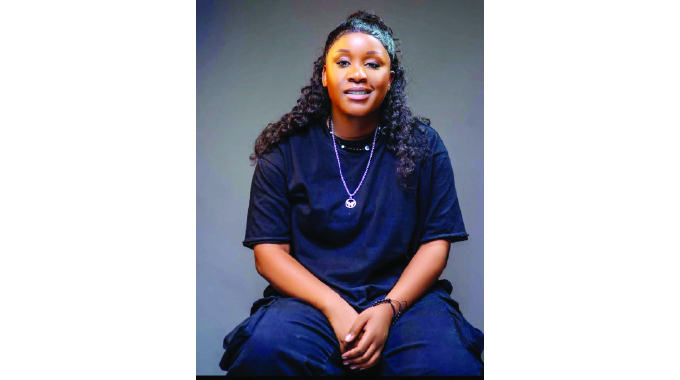
Other divas who made an impression include Tamy Moyo, Nisha Ts, Shashl, among others.
The likes of Diana “Mangwenya” Samkange, Sasha “Amadhube” Lushomwa and Jean Masters are now qualifying as mentors for this new crop of female artistes.
Male artistes such as Saintfloew, Ashton “Mbeu” Nyahora, Killer T, Seh Calaz and Freeman also had a successful year.
Jah Prayzah and Winky D — the two showbiz stalwarts — have nothing to prove as they continue to touch the hearts of millions.
The pair has broken many records, and it’s quite encouraging that they have literally taken over the industry.
2025 also showed us that sungura ace Alick Macheso is no longer just a legend but a father figure who has done a lot for the sector.
He has been bailing out many musicians, including the late Nicholas Zakaria.
Macheso has also assisted his former and currently ailing band members, including Lucky Mumiriki.
Of course, this sector would be incomplete without some of the finest music promoters, led by Partson “Chipaz” Chimbodza, who has been putting money on the line to support artistes. Kadoma-based Tich Mharadze has also contributed significantly among these promoters who have made the industry viable. We might have lost some of our luminaries like Madzibaba, but we should let those tears water down the seed of love he sowed.



