Online Reporter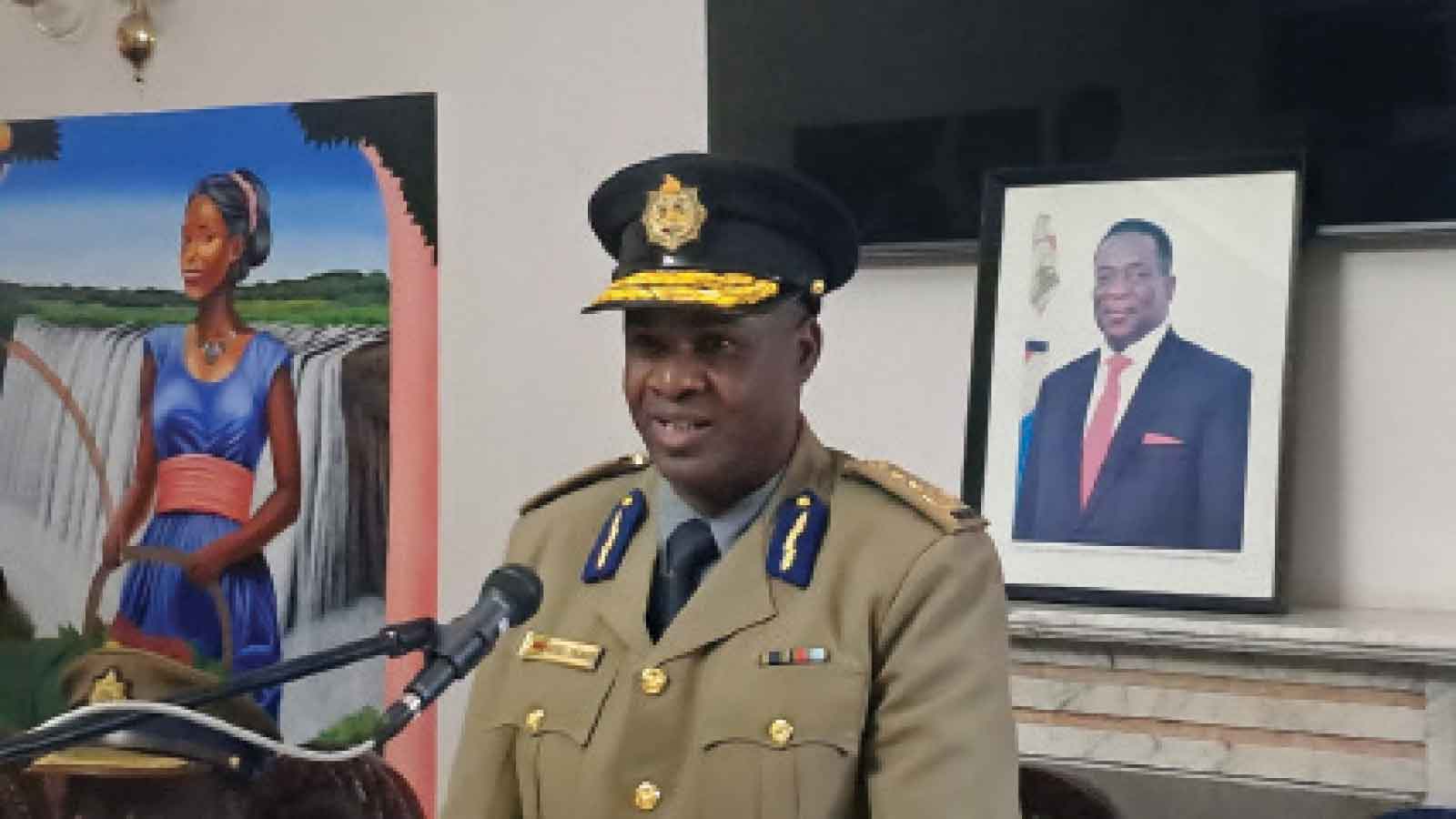
Arron Nyamayaro
POLICE have commended members of the public for contributing to a reduction of crime in Harare.
Officer Commanding Harare Province, Commissioner Maxwell Chikunguru, said the crime rate recorded between January and May this year had decreased by two percent, compared to the same period last year.
He attributed the reduction to community participation and partnerships with police in the fight against crime.
Commissioner Chikunguru said this on Wednesday during the handover-takeover of a refurbished Mazda B1800 by members of the Crime Liaison Committee (CLC) and the Business Against Crime Forum of Zimbabwe (BACFOZ) in Avondale.
“Today, we celebrate not only the handover of a vehicle but also the spirit of partnership, innovation, community responsibility and shared commitment towards creating a safer Harare,” he said.
“It demonstrates that effective partnerships are not measured by the size of the contribution, but by the willingness to identify a need and respond decisively.”
He thanked the leaders of the Harare Central Crime Liaison Committee and the Business Against Crime Forum of Zimbabwe, Desmond Pfumbwa and Louis Matare, and urged other groups across the province to emulate the initiative.
“In essence, this vehicle translates into quicker investigations, improved crime detection and better access to justice for victims of crime,” he said.
He commended Chief Inspector Romeo Makavi and the Harare Central Investigations team for their professionalism, commitment and dedication to ensuring that offenders are brought before the courts and that stolen property is recovered.
On average, the station receives and investigates 1,600 cases per month from the Central Business District, he said.
“Let us not become weary in doing good for at the proper time we will reap a harvest if we do not give up.”
Chief Superintendent Chibira, the Officer Commanding Harare Central District, said the investigations section urgently required a dedicated vehicle to support a wide range of responsibilities.
“Without adequate transport, these vital policing responsibilities become difficult to execute efficiently.”



 Mathew Masinge