Online Reporter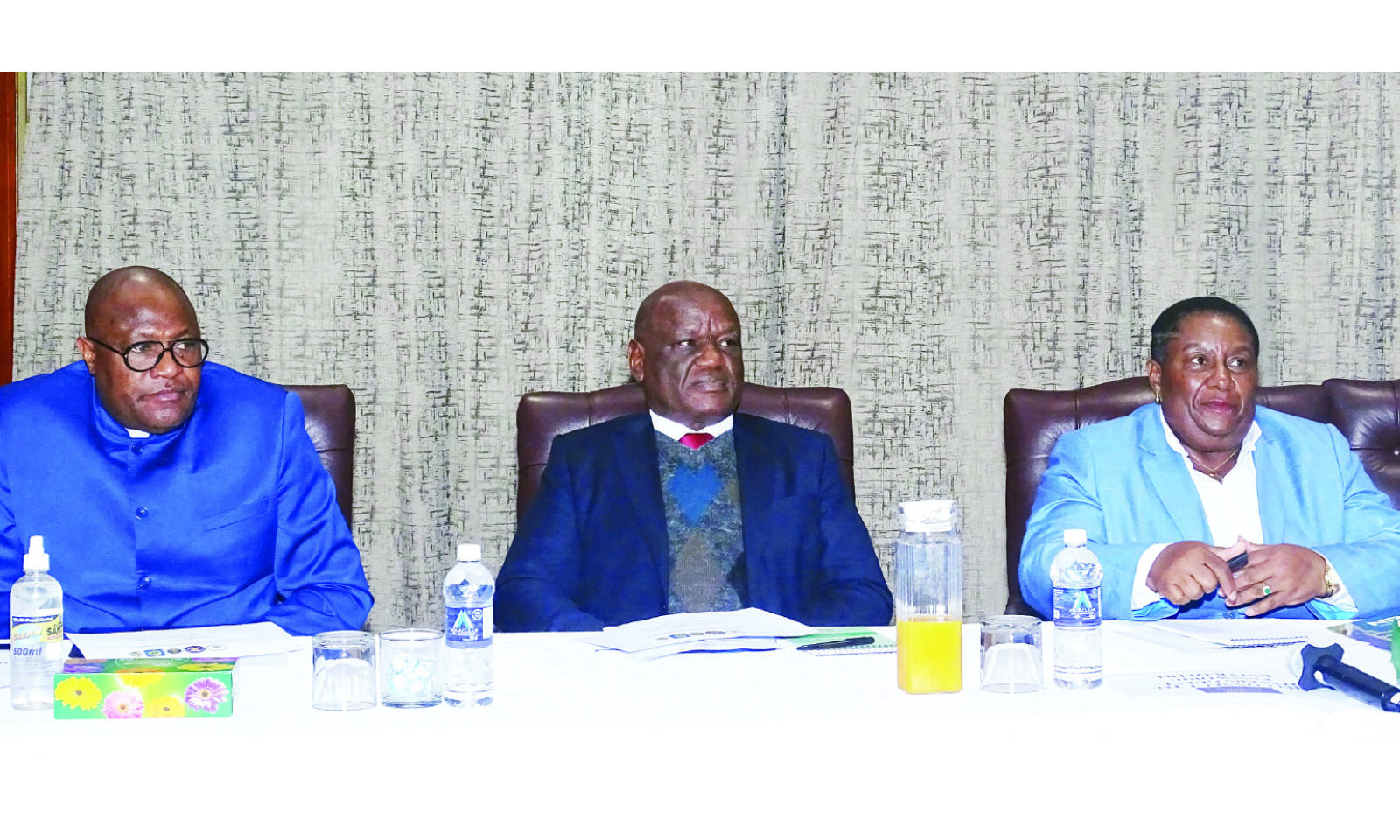
Nyore Madzianike
Senior Court Reporter
CHIEF Justice Luke Malaba has said that criminal cases must now be resolved within 72 hours of being filed in magistrates’ courts to combat the pervasive delays plaguing Zimbabwe’s justice system.
The urgent call for swift justice was made in Harare yesterday at a two-day training workshop aimed at revitalising public confidence and ensuring safety amid growing concerns over legal inefficiency.
The training workshop, facilitated by the Judicial Service Commission (JSC), brought together officials from the Prosecutor General’s Office, the Zimbabwe Anti-Corruption Commission, the Zimbabwe Republic Police (ZRP), the Zimbabwe Prisons and Correctional Services (ZPCS) and the JSC. It seeks to enhance efficiency and public confidence in the justice system.
Chief Justice Malaba said the fast-track court system was motivated by growing public concern over delays in justice delivery.
“Why did we think about that? Why did we have this fast-track court idea? There are a number of reasons you will hear, but the concern to us, particularly to me, was the reaction of the public,” said CJ Malaba.
“There has been a growing concern out in the public that public safety is endangered. I have spoken about that every time; that is, where there is justice, there is order, there is peace and that is why we are busy building courts.
“That is why we are having all these reforms that we are undertaking, including this fast-track system, because we are concerned about the response of the public.
“If we don’t answer to the public outcry for security of the ordinary person, we are endangering public confidence in the system of criminal justice.”
CJ Malaba highlighted the necessity of collaboration among all stakeholders in the justice system, calling it a mandatory principle.
He reminded participants that as public officers, they were bound by duty and must operate with integrity, diligence and speed.
CJ Malaba warned that failure to respond to public concerns could lead to loss of confidence in the justice system, adding that if justice is delayed, the public may feel endangered and lose faith in the institutions meant to protect them.
He reiterated the importance of accountability among justice officials and criticised complacency, stating that individuals who fail to act in line with their duties are creating a disconnect within the system.
“That person is pursuing personal interest. That is where the disconnect is,” CJ Malaba said.
He denounced such behaviour as a form of corruption that undermines the integrity of the justice system.
CJ Malaba described justice as a fundamental right that exists in the heart of every person.
“We do not create justice; we deliver it,” he said, underscoring the need for fairness in the justice process.
The CJ urged stakeholders to act according to objective standards, treating all individuals equally and without delay. Effective communication among stakeholders was also emphasised to achieve the intended goals of the fast-track system.
Participants at the event were urged to consider the rights of accused individuals while expediting their cases.
“This balance is crucial for ensuring fairness while also addressing public demands for swift justice, said CJ Malaba.