admin
adminSamuel Kadungure Farming Reporter
FIELD visits by officials from the agriculture ministry to assess and estimate yields and production of food and non-food crops in the province have been concluded, with focus now on compiling a provincial report detailing areas of deficit or surplus in cereal production.
The team also assessed the livestock situation as relates to stock-feed availability, grazing condition, water supply and disease prevalence.
The assessment builds on results from the first round crop assessment like planted hectarage, crop stages and condition, rainfall season quality and crop input availability in as far as they influenced crop yields and production this season.
Manicaland put 199 000 hectares under maize – but the crop suffered immensely owing to a combination of late, erratic rains, severe mid-season dry spell, overworked infertile soils and erratic application of fertilisers.
The province will not harvest enough to feed its growing population. While some areas will record a zero harvest, some might glean something and will continue needing food aid.
Agritex head for Manicaland, Mr Godfrey Mamhare, said the situation in most communal parts was deplorable as the entire crop was a complete write off.
He said livestock condition was good following improvement in grazing pastures and availability of water in water bodies across the province.
“The will be no sufficient food to feed the entire population of Manicaland. There will be need for food aid because obviously the province is food insecure as a result of the El Nino-induced drought,” said Mr Mamhare.
“Though the current rain came a bit late, it has revived the late planted maize and in some small grains to the extent that in some areas that we had anticipated zero harvest, the people can at least glean something.
“More importantly, these rains have improved the grazing pastures in Manicaland and we no longer have incidence of livestock death due to feed and water shortages. Our grazing pastures are in a good state and that is good for livestock in the province. The condition of the livestock is good and farmers need to dose their animals against diseases as well as regularly dip them,” said Mr Mamhare.
Resource poor smallholder farmers in Manicaland were earlier this year accruing unmitigated livestock losses which posed a serious threat to their future livelihoods and chances of escaping chronic poverty as the impact of climate change on the agriculture was inclined on crop than animal husbandry.
These losses are unrecoverable, and therefore condemned rural farmers into accelerated chronic poverty. To compound this, the rural farmers are marginalised from new research, innovations and technologies in livestock production and management that proffer solutions to climatic fluctuations and extremism.
The animal census of 2012 indicates that Manicaland had an estimated 586 619 cattle, 100 462 sheep, 634 742 goats and 41 000 pigs.
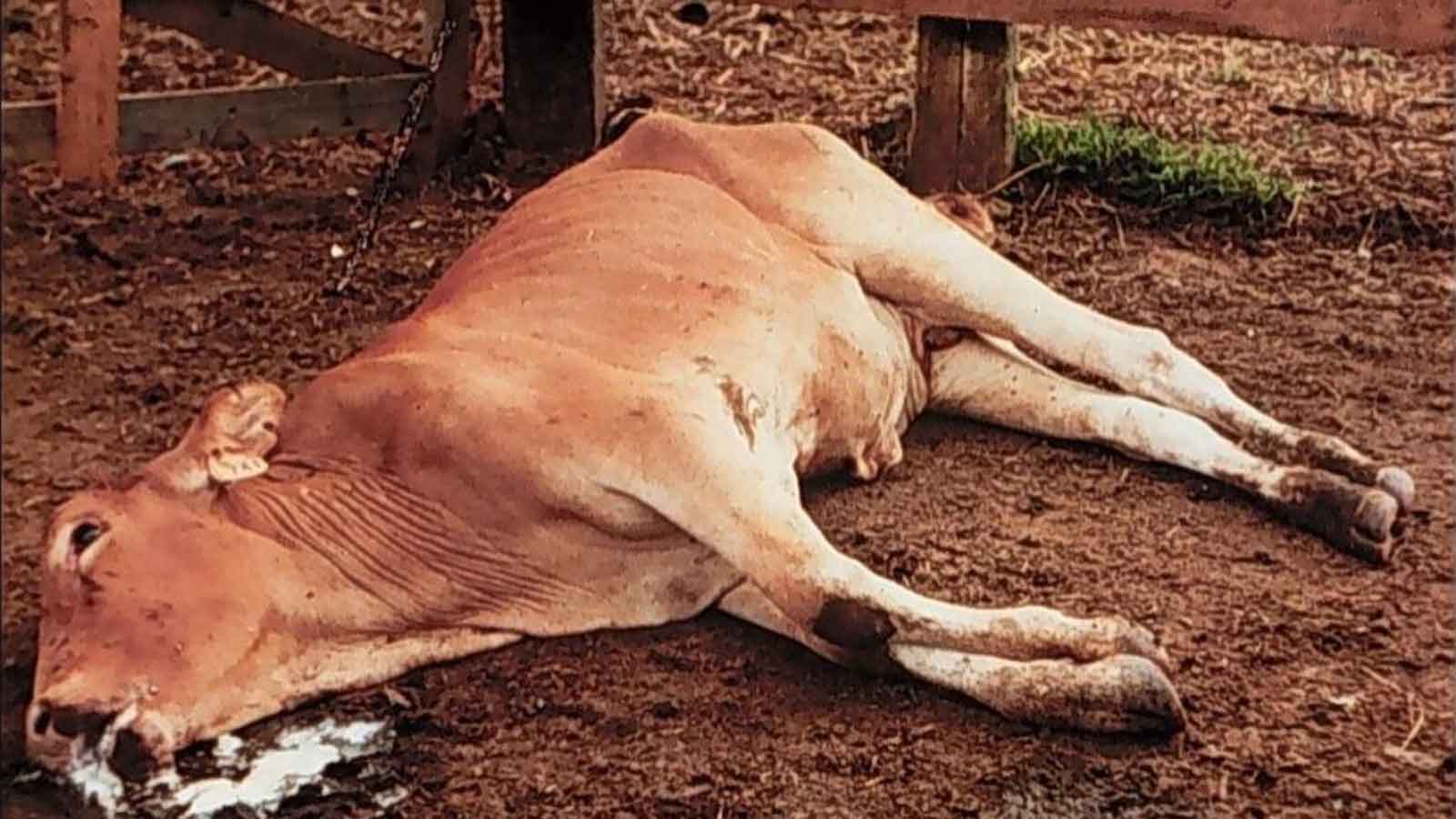
However, in the 201516 season, Chipinge, Buhera, Mutare and Makoni districts recorded severe livestock deaths due to climate change induced factors and the surviving cattle’s body condition was fast deteriorating as farmers cannot afford supplementary feeds.
In Chipinge, more than 6 000 cattle deaths were recorded. An acute food crisis is obtaining in Manicaland as a result of poor rainfall that plagued the province this summer season.
Mr Mamhare said most farmers, especially communal ones with the highest contribution to the total area put under maize — are unlikely to harvest enough food to feed their families — let alone surplus to sell.
Manicaland was facing a tremendous challenge in meeting food needs of its rapidly growing population as the bulk of its crop suffered severe moisture stress and the quality of the remnant crop was inferior.
The early planted cereal crop wilted in the scorching heat and failed to reach maturity.
Mr Mamhare said nearly known drought prone zones in Buhera, Makoni, Mutare, Chipinge, Chimanimani and Nyanga districts had zero harvest.
The greater part of Mutasa District has better prospects.
These known drought prone areas were characterised by limited water sources, scarce and unreliable rainfall that was concentrated during a short rainy season with the remaining period becoming absolutely dry.
At most, these areas receive annual rainfall of 500m and high temperatures during the rainy season caused much of this rainfall to be lost through evaporation. Besides being water deficient, these dry zones were synonymous with exceptionally high summer day temperatures, low humidity, high run off and soil erosion.


 Online Reporter