Online Reporter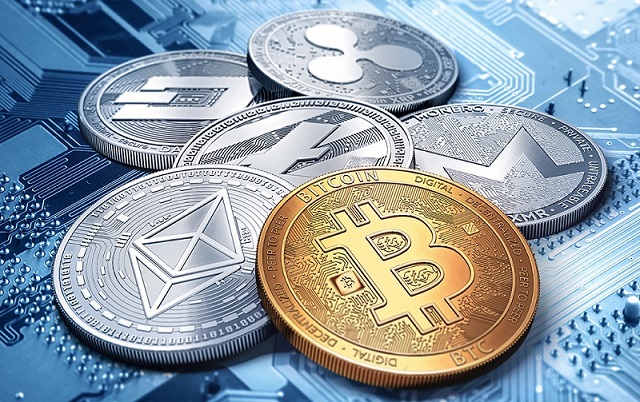
The rush to convert listed companies into vehicles for buying cryptocurrencies has reached such a fever pitch that even executives backing such deals are warning of potential fallout for digital-asset prices.
So-called digital-asset treasury firms, or DATs, have announced plans to raise a combined US$79 billion so far in 2025 just for Bitcoin purchases, according to advisory firm Architect Partners. But it’s the trend of expanding into smaller tokens, along with the sheer number of such efforts, that has market participants on edge.
While the movement helped fuel a rebound in altcoins from April lows, the worry is that a sharp reversal in prices could prompt some entities to dump their holdings, exacerbating any selloff.
One potential trigger for such selling is a steep drop in DAT shares that pushes their market values materially below net asset values, executives said.
“I think the collapse of a major DAT is going to set the dominoes in motion for this bull cycle to end,” said Akshat Vaidya, who as head of BitMEX co-founder Arthur Hayes’s family office Maelstrom has overseen investments in three publicly traded companies that pivoted to crypto buying.
He said he still receives five to 10 pitches a week to invest in prospective treasuries.
Treasury firms have announced some US$25 billion in planned funding this year for accumulating altcoins, ranging from Ether to Solana and TON, Architect Partners estimates.
Bitcoin shielded
So far, there’s little evidence of crypto hoarders selling their tokens under duress. But several of the biggest DATs have seen stock prices swoon. Metaplanet, the Japanese hotel operator that’s accumulated US$2 billion of Bitcoin, is down around 50 percent from a mid-June high.
Upexi, which this year pivoted to buying the Solana altcoin and in which Maelstrom invested, has lost roughly two-thirds of its market value since late April.
The risk of market fallout for Bitcoin appears lower, in part because it’s less volatile than smaller cryptocurrencies and in part because liquidity is higher. Another cushion is that Michael Saylor’s Strategy, the original Bitcoin accumulator and by far the biggest, hasn’t sold a single token in the five years since it started building a hoard that’s now worth around US$70 billion.
Some of crypto’s top executives are less sanguine about the more recent upstarts. Michael Novogratz, the chief executive of Galaxy Digital, said on Tuesday that the dash to create new DATs has likely peaked and that new entrants may “have a harder time getting oxygen.”
Altcoins are notoriously volatile, raising the risk of a vicious cycle of forced selling and spiraling prices. An index of smaller tokens has already gone through three cycles of falling or rising more than 55 percent this year, and is down some 15 percent since reaching a five-month high on July 22.
— Bloomberg