Online Reporter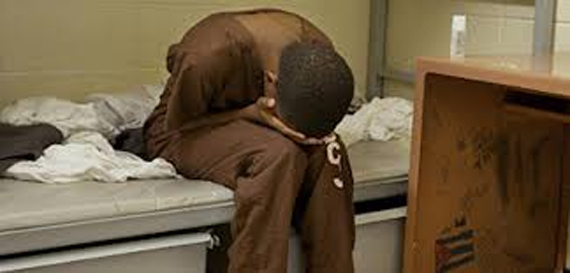
Rodgers Irimayi
Cultural Perspectives
THERE seems to be a rise in anti-social behaviour among our young boys and girls, and this corresponds to the rise in criminal cases perpetrated by juveniles.
This calls for an assessment of the juvenile delinquency on our culture and its impact on the future generation.
The general definition of delinquency is criminal behaviour especially that of young people.
Our Zimbabwean cultures do not condone or glorify wayward behaviour in young people.
Behaviour which is generally seen as antisocial or unacceptable include bullying, absconding lessons, vandalism, drug and substance use, selling drugs, and shoplifting.
It should be noted that delinquent acts are not necessarily violent.
These acts can be identified in primary or secondary school going learners, college and university students or in those youths out of schools.
Juvenile delinquency can be categorised into several types which include: individual; group-supported; organised; and situational.
Individual delinquency is when one child commits an act on his or her own while the rest of them are done through peer pressure.
No matter how the delinquency is perpetrated, it always have negative impact on the individuals involved.
The general argument is that the delinquency is caused by family problems while others attribute it to inheritance.
The root cause can be traced back to the breakdown of the structure and the functioning of the family as by far the leading cause of delinquent behaviour.
The theory of social disorganisation attribute delinquency to the absence or breakdown of communal institutions, such as the family.
Traces of criminal history in a family which might include juveniles subjected to sexual or physical abuse, neglect, or abandonment might lead to delinquency.
The act of delinquency might also be a manifestation of lack of parental control over a child.
Family characteristics such as poor parenting skills, family size, home discord, child maltreatment, and antisocial parents are risk factors linked to juvenile delinquency.
An interesting viewpoint that came from Merton’s theory explains juvenile delinquency as an occurrence that comes when juveniles do not have the means to make themselves happy.
When their goals are not achievable within legal means, they find unlawful means by which to attain their goals.
This lack of resources to happiness might point to a child coming from a poverty stricken family.
Individuals involved in delinquent behaviours end up crossing legal lines resulting in them facing consequences such as getting arrested, imprisonment, or probation.
This can then affect their educational attainment, employment prospects, and the future is ultimately undermined.
When juveniles get arrested, the process gets them exposed to abuse and trauma as they are detained with adult inmates.
This can potentially lead to further delinquencies with individuals displaying insufficient social maturation and difficulties integrating into society.
Our cultural values and norms do not condone juvenile delinquency, but promotes respect for authority and morally acceptable behaviour.
Family bonds and values are highly regarded as the pinnacle of molding moral behaviour that can protect children against delinquency.
Some of the influences considered imperative in shaping behaviour in our culture are peers.
Cultural norms are strict on peer relationships as elders guard against bad influences on their children’s behaviour.
Where parental guidance is absent, there is bound to be lack of proper training on acceptable and non-acceptable behaviour.
Bad friends have bad influence on children’s day to day behaviour.
Control on what children absorb from media representation is also important.
What children watch on television or access on the internet can shape young people’s attitudes and behaviours.
It is important to understand that cultural norms around behavior, such as attitudes towards substance use or violence displayed in some movies can impact heavily and negatively on delinquency.
Children should not be left to watch whatever they access on their mobile phones as it might lead them to unexpected delinquent behaviours.
It is important to understand juvenile delinquency from a cultural perspective in order to enable policymakers and practitioners to develop more effective strategies to prevent and address delinquent behaviour.
Juvenile delinquency in Zimbabwe is a contemporary issue addressed by legal instruments such as the Children’s Protection and Adoption Act.
Although social workers play a crucial role in managing these issues, there are key challenges in the curbing of juvenile delinquency which center around children’s rights.
Schools and the society at large seem to be restricted in controlling wayward behaviour in children with the fear of being caught up in legal battles.
The controversial issue of corporal punishment remains a bone of contention as cultural perspectives views it as important in deterring delinquent behaviour.
Addressing juvenile delinquency issues requires a wholesome and comprehensive approach which calls for social work interventions, rehabilitation services, and strengthening the juvenile justice system to support the young people in Zimbabwe.
This then suggests for a review and an improvement on legal frameworks that focus on children’s right in an attempt to address the root causes of delinquency and the support of young offenders.
Further research into specific challenges and the effectiveness of current intervention strategies is warranted.