Online Reporter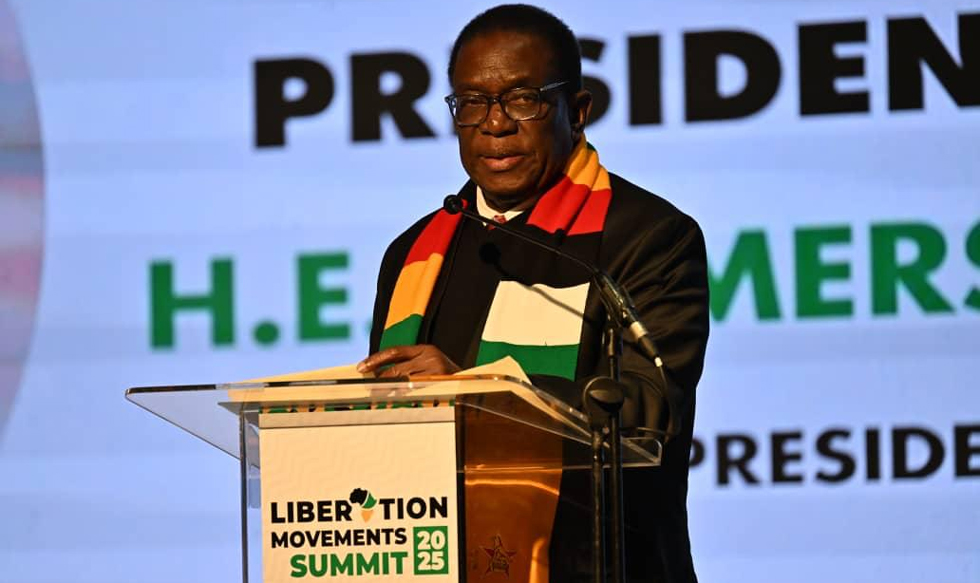
Moffat Mungazi
Post Reporter
MOST countries in the Southern Africa region share a common history, borne out of the communal experience of liberation struggles, often protracted, to unfetter themselves from the shackles of colonialism.
Playing a critical midwifery role to the eventual attainment of independence were the liberation movements – organised nationalistic forces that embodied the oppressed masses’ soul and spiritedly fought for freedom.
As a wave of independence from colonial rule swept across the continent at the turn of the 1960s, beginning with Ghana in 1957, liberation movements started gaining huge traction as catalysts for emancipation.
Since then, these forces have morphed into political forces and governing institutions of their liberated countries, over the years continuing to be actively and heavily involved in the defend-and-attack vortex advancing and upholding the interests of their sovereign nations.
Revolutionary in nature, ideologically grounded and people-oriented, these liberation movements are a repository of the independent Southern Africa region’s collective resolve to tackle neo-colonialism, which is the progeny of the historical injustices of imperialism and slavery.
Although they have been demonised by erstwhile colonisers and detractors, they have remained steadfast in championing Pan-Africanism through unity of purpose and pulling their weight while steering in the same direction.
Their solidarity, which prevailed during the liberation struggle, was again on show last week when a high-level meeting of the leaders of the liberation movements culminated in the three-day indaba held in South Africa, from last Friday to Sunday.
The convergence brought together six southern African liberation movements – African National Congress (South Africa, host and outgoing chair), ZANU PF (Zimbabwe), Movement for the People’s Liberation of Angola, South West Africa People’s Organisation (Namibia), Revolutionary Front for the Liberation of Mozambique and Chama Cha Mapinduzi (Tanzania).
The indaba ran under the theme: “Defending the Liberation Gains, Advancing Integrated Socio-Economic Development, Strengthening Solidarity for Africa.”
As if this subject matter aptly takes cue from Zimbabwe, the Southern Africa nation has been accelerating initiatives that speak to what the recent summit craves its conglomerate to achieve.
Under the astute leadership of President Mnangagwa, Zimbabwe is forging ahead with establishing an empowered and prosperous upper middle income society by the Year 2030, while leaving no one and no place behind.
Himself a veteran of Zimbabwe’s liberation struggle, President Mnangagwa is walking the talk on transitioning from flag independence to economic development and social transformation.
High impact projects and life-changing programmes that cover every facet of life like health and wellbeing, food and nutrition security, economic growth and stability, human capital development and innovation, social protection as well as infrastructure and utilities development are being rolled out, firmly anchored on Vision 2030.
The ongoing modernisation and industrialisation initiatives will culminate in the actualisation of this national aspiration.
In his address during the Summit of Heads of State and Leaders of Liberation Movements, President Mnangagwa called the parties to action, urging them to continue championing people-centred development and ensure their countries’ prosperity.
“The responsibility and duty to build brighter and more prosperous countries for the next generation lies with us, liberation movements.
“We are the only tried, trusted and dependable drivers of socio-economic justice, development and regional stability,” said President Mnangagwa.
With Zimbabwe’s national Heroes and Defence Forces Days on the horizon and set to be commemorated this month, the country’s attendance at the summit presented an opportune time to reflect on the monumental role ZANU PF played during the liberation struggle. President Mnangagwa, who is also the ruling party’s First Secretary, drove the message home during the indaba on how imperative it is to consolidate the gains of our hard-earned independence.
He said the liberation movements must put up a united front to defend their rich history and cherished legacy founded on shared experiences and mutual exchange of ideas.
“Let us, therefore, bravely and unapologetically re-assert and re-commit ourselves to defending our founding values, independence, sovereignty, freedom, democracy and equality. The people’s power shall always remain firmly secure under the governments of liberation movements,” said President Mnangagwa.
While the brotherhood between the liberation movements subsisted in different states during the war against colonialism, it has continued to stand the test of time as it still endures today.
This has seen Southern African Development Community (SADC) member states since 2019 collectively voicing their chorused disapproval of the two decades-long illegal economic sanctions imposed on Zimbabwe by the European Union, United States, Britain and their Western allies.
In solidarity with Zimbabwe, SADC continues to lobby for the unconditional lifting of the sanctions – whose deleterious effects continue to affect ordinary citizens in their plurality – through various activities and
platforms on October 25 every year.
Despite the vain attempts by Western imperialists to alienate the liberation movements from the masses through manipulative machinations, the bond has remained unbreakable.
Even as the erstwhile colonisers have repeatedly tried to discredit general elections in Africa as being not free and fair in thinly veiled endeavours to effect regime change with their preferred puppets usurping power so that they get to serve their masters’ subversive interests, liberation movements have stood firm as the vanguards defending the gains of our Uhuru.
Albeit being under siege from neo-colonialists angling to plunder our local resources, the liberation movements remain a frontier repelling the obtrusive Western machinations to protect and preserve their respective national interests, sovereignty and territorial integrity.
After being instrumental in their countries’ attainment of flag independence, liberation movements are marching on in championing economic emancipation and this walk of fame must be curated for posterity and heritage.