admin
admin
Roselyne Sachiti
Features and Society Editor
The curtain comes down on the Women’s Month today.
This year’s theme was “Women in leadership: Achieving an equal future in a Covid-19 world.”
Women who spoke to The Herald said going forward, it is important to continue removing barriers to female leadership, meaningful participation and decision-making.
Zimbabwe Gender Commission chief executive Virginia Muwanigwa said: “It is important to ensure diversity of representation as leadership becomes inclusive, balanced and non-discriminatory in practice.”
Seed Co senior manager public relations and special programmes Marjorie Mutemererwa said it is critical to be deliberate and intentional in removing barriers for women’s progress, development and improvement.

“Without being deliberate and intentional, women will remain underdogs. Society is very patriarchal and will continue to be so if it’s not checked and called out.
“Women have been orphaned for the longest. Society and systems need gentle reminding and nudging that women exist and are very capable,” she said.
Zimbabwe Indigenous Women Farmers Association Trust President Depinah Nkomo, said it is important for women in leadership to know their rights.
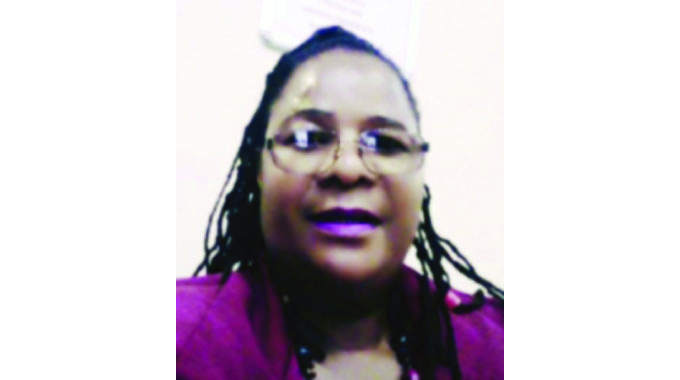
“As everyone knows, women are always marginalised and looked down upon by our male counterparts. We must be in all sectors, being CEOs in big companies, ministers, heads of department, but all this is not happening. As women, we must support each other and fight for our rights,” she said.
When such happens, Nkomo believes young girls will be encouraged.
“Discrimination of women is too much. There are more women than men, but in positions, we are one third. I want to encourage each and every woman to fight for our rights. I know women are more powerful to be in any position of leadership if given a chance,” she noted.
UNFPA country representative to Zimbabwe, Dr Esther Muia agrees that the full participation of women in leadership and decision making positions is important for the economic and political growth of the country.
“Many women are already contributing through their knowledge, skills and passion to the political, economic and social development of the country.
“However, more needs to be done to achieve a gender equal society where all women are empowered to contribute to various facets of life and are able to make greater contribution to the economy, their communities and their families,” she said.
For this to happen, Dr Muia said there is need to continue to support women.
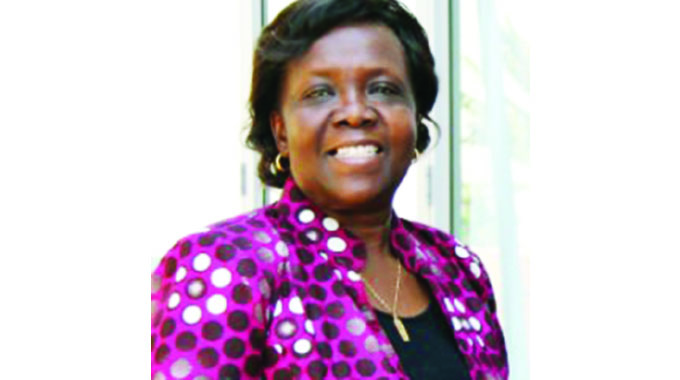
“We need to start early by empowering girls so that they can reach their full potential through critical investments in their early lives.
“Many girls fail to reach their full potential due to many barriers such as gender-based violence (GBV), teenage pregnancies and cultural norms and attitudes on gender equality.”
She added that at an early age, some girls are married off by their families to avert situations such as poverty and hunger, robbing them of their future, others suffer GBV and at times health consequences that affect them living to their fullest throughout their lives.
“The rights of girls must be respected and given to them to ensure that they grow up to be productive adults who can contribute meaningfully in society.”
These rights, Dr Muia opines, include the realisation of the right to education and attainment of a secondary school as well as tertiary education; delaying marriage beyond childhood and ensuring free and full choice in marriage-related decisions.
According to Dr Muia, these are crucial for a successful transition to adulthood and for girls to be able to achieve their dreams and become future leaders in their communities, the economy, academia and politics.
“UNFPA continues to cooperate and work with the Government of Zimbabwe and various partners to ensure these rights are realised and young girls can reach their full potential,” she added.
Since independence, Zimbabwean women have had a fair share of successes, empowerment opportunities, access to education, healthcare, agriculture among others.
When educated, Zimbabwean women know what they want and clearly speak their mind about their dreams and aspirations, fears and what drives them.
All this has been catalysed by sound policies by the Government. At independence, the Government committed to providing education for all regardless of race, gender or religion.
Through the Education Act of 1982, education was declared a basic human right, making primary and secondary public education free and compulsory.
Such legislation paved way for equality and equity between girls and boys and women and men as they all could access education without discrimination.
As we say goodbye to women’s month, we should continue to celebrate the achievements of women.



 Online Reporter