Online Reporter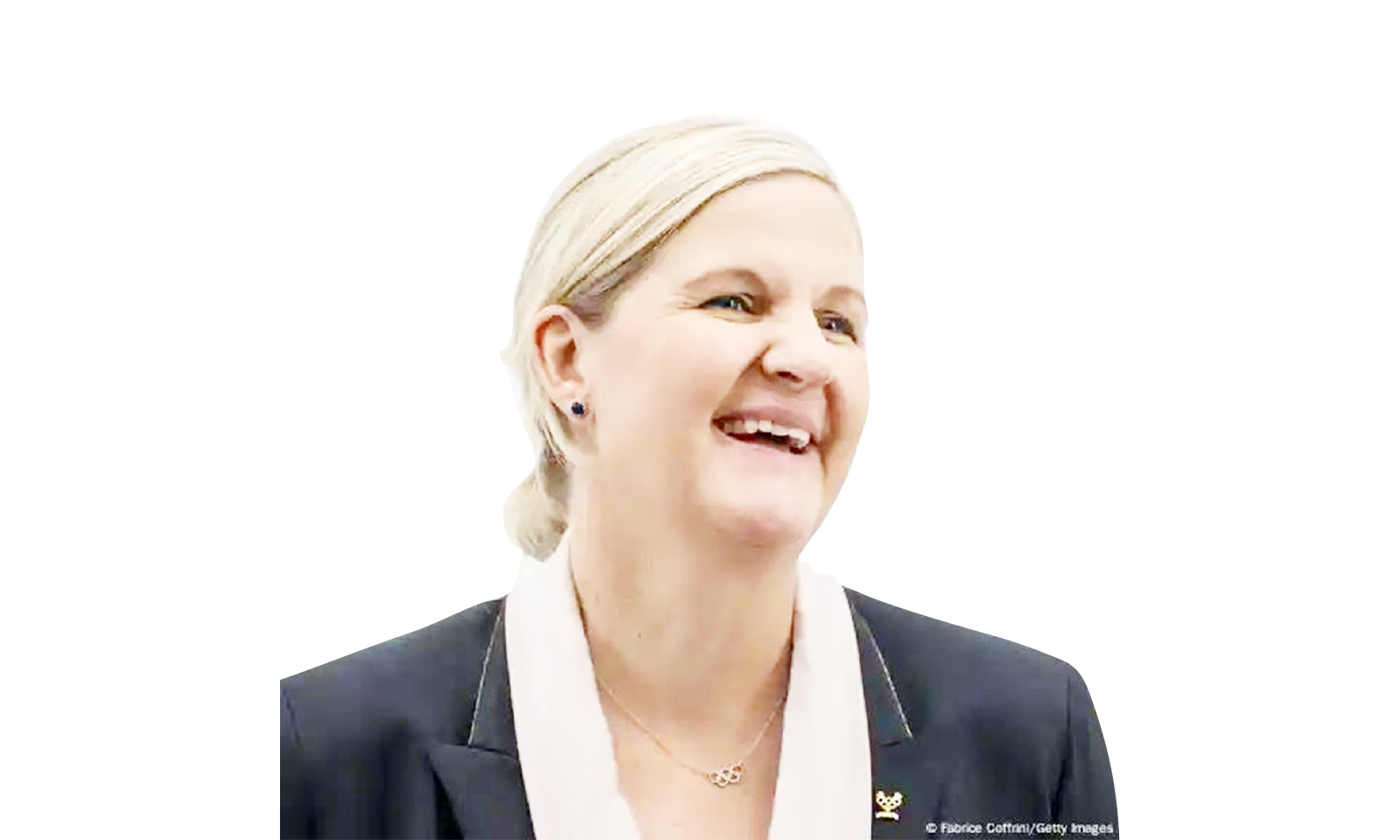
THE race for the highest position in global sport is almost over and it appears set to come down to a photo finish between two Olympic gold medallists and the son of a former head honcho.
The next president of the International Olympic Committee will be voted for in Greece today as German Thomas Bach relinquishes the position after reaching the mandated maximum 12-year stint in charge.
The election is an extremely rare event as since the IOC was formed in 1894, two years before the first modern Olympic Games in Athens, there have been only nine presidents.
There are seven candidates to become the tenth, but reports have circulated far and wide that Bach has one preferred candidate in mind as roughly 100 IOC members made up of princes, princesses, dukes, politicians, business people, an Oscar winner, sports officials as well as past and present athletes decide on who will lead the Olympic movement into an uncertain future.
Kirsty Coventry, who won seven Olympic medals in swimming including gold in the 200-metre backstroke at the 2004 Athens and 2008 Beijing Games, is rumoured to be Bach’s choice.
The Zimbabwean is only the female candidate and she will be a history maker if elected as not only the first African to be appointed to the presidency, but also the first woman in the IOC’s 131-year history.
The 41-year-old would also become the youngest leader in the organisation’s history, as well as the first from outside Europe or North America.
“Female leaders do bring different attributes, lessons learned and soft skills to the table — but I don’t want it to be the only thing that people focus on,” Coventry said in an interview with The Athletic.
“I want to be the best person that people and members see leading our organisation, not a choice just based on gender.”
A key focus of Coventry’s is supporting athletes financially on their journey to the Olympics, rather than simply waiting for endorsement deals once they have returned home with a medal, or medals, around their neck.
There are also concerns over weather.
Coventry called for greater flexibility, like how the marathon at the Tokyo Games was held in the cooler conditions of northern Japanese city Sapporo.
“We have an incredible amount of interest in the Games for 2036 and 2040 from new regions, which is exciting. It opens up the question of the timing of the Games and I think we need to be proactive about that, both summer and winter,” she said.
“We’ve already had to make adjustments for certain events — the marathon in Tokyo, for instance. Let’s have these conversations now instead of waiting for the climate to push us into a corner where we have to make rushed decisions.
“Do we need to remain steadfast on when we hold the Games? I think we have to start that conversation to open up new regions and countries, but also just to tackle climate change.” -Fox Sports/Sports Reporter