

 admin
admin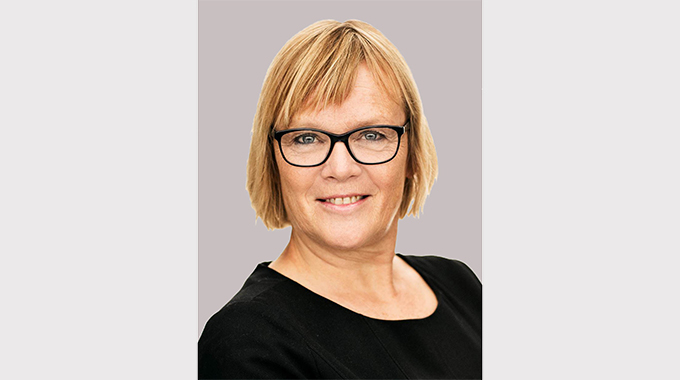
Elita Chikwati Features Editor
The DanChurchAid has embarked on a project to plant 250 000 trees in Middle and Lower Zambezi Valley over the next three years as part of efforts to help smallholder farmers mitigate and adapt to climate change and reduce carbon emissions.
The interventions are being funded by UNDP’s Global Environmental Fund (GEF) and the Swedish Development Agency (SIDA).
The pioneer climate response initiative was launched at the climate summit COP27, in Egypt, last week.
Dan Church Aid general secretary Ms Birgitte Qvist-Sørensen said the global arm of the organisation announced that DanChurchAid had calculated its carbon footprint for the last 100 years and is taking responsibility for historical and future emissions.
“We are not only facing a climate crisis, but we are also facing an unfair disaster. Those with historic responsibility for global warming, should turn their past into action.
“In DanChurchAid we are first-hand witnesses to how climate change displaces communities and causes food insecurity for millions of people worldwide. For us, the obvious thing is to set an example and to pioneer new standards of climate responsibility. It benefits people who are already facing severe droughts, floods, and extreme weather due to climate change,” she said.
Since 2020, DanChurchAid in partnership with the Government and other actors, have provided 6,584 individuals with climate change-related disaster relief in response to these shocks, provided food security for over 18,000 people, mainly women and children, and accrued food security to 115,000 urban poor in Harare and Bulawayo.
“Our premise is that an effective response is one where affected communities participate fully in the process and are empowered through capacity strengthening, skills and knowledge transfer to engage with the wider social, economic and political cluster on climate mitigation, adaption and biodiversity initiatives,” said Ms Qvist-Sørensen.
Such engagement will reduce biodiversity losses, human wildlife conflict and ensure that communities have a seat at the table, and part of agreements in tourism and other sectors where they are entitled to an economic dividend.
The programme will also result in truly sustainable food systems that serve multiple purposes such as nutrition, livelihoods, and environmental protection.
This requires a holistic, inclusive, and integrated approach incorporating all key players in the landscape.
To promote this, DCA incorporates indigenous knowledge systems as a key source of wisdom for back-stopping climate change and the related shocks, enhancing people’s knowledge beyond conventional science.
The hybrid of indigenous and modern knowledge is expected to benefit farmers through agro-ecology and other transformative capacities such as climate adaptive agriculture. This hybrid knowledge will promote effective landscape and biodiversity management which have always been at the core of indigenous system.
Climate adaptive agriculture at its simplest seeks to manage landscapes- cropland, livestock, forests, and fisheries- in an integrated approach to address the interlinked challenges of food security and climate change.
In the past five years DanChurchAid has increased its global agro-ecology portfolio from 28 percent in 2019 to 67 percent in 2021.
Zimbabwe is among the countries that have benefited from this agro-ecological programming work with projects in Matabeleland North and South reaping most of the benefits.
DCA will focus on the lower and middle Zambezi Valley and continue to build on its 100-year history of promoting livelihoods and ensuring dignity for the most marginalised people.
Sustainable and responsible biodiversity management will be key to supporting national efforts across Zimbabwe’s five distinct ecological regions, to ensure the country continues to provide habitats for an abundant and diverse flora and fauna.
DanChurchAid (DCA) is a Danish faith-based civil society organisation.
The organisation supports the needy and poorest of the world in their struggle for a dignified and better life and helps those who are vulnerable and whose lives are threatened by different socio-economic factors.



 Online Reporter