admin
admin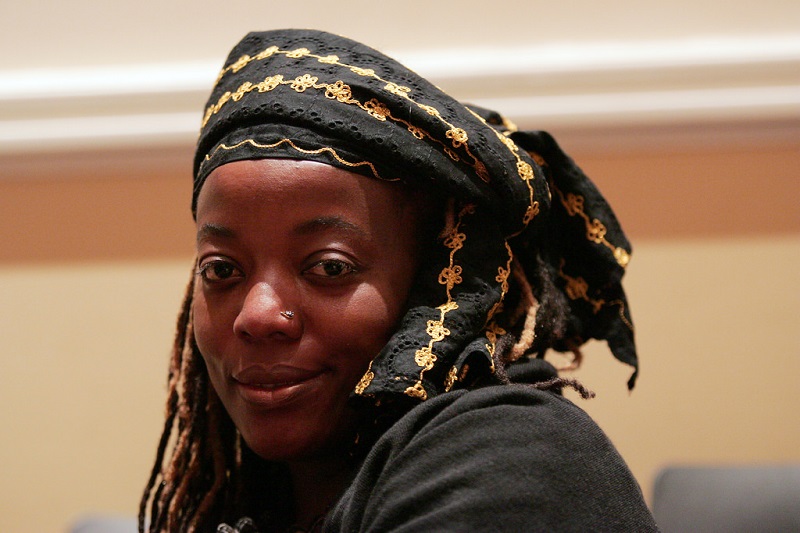

Bruce Ndlovu, Sunday Life Correspondent
Although it is one of the most celebrated books ever published in Zimbabwean literature, Tsitsi Dangarembga’s Nervous Conditions got a global stamp of approval last week when the BBC announced that it was one of the 100 works of fiction that had helped shape society.
In April, BBC polled experts around the world to nominate up to five fictional stories they felt had shaped mindsets or influenced history.
They received answers from 108 authors, academics, journalists, critics and translators in 35 countries — their choices took in novels, poems, folk tales and dramas in 33 different languages, including Sumerian, K’iche and Ge’ez.
Dangarembga’s most celebrated work came in at number 66, joining such celebrated works of literature such as Achebe’s Things Fall Apart, Romeo and Juliet, Animal and the Harry Potter book series among countless others.
Homer’s Odyssey topped the list, followed by Uncle Tom’s Cabin, choices which the BBC took as examples of the different ways in which respondents interpreted a “world-shaping story.”
Dangarembga’s Nervous Conditions has over the years been hailed as a triumph of storytelling, as it relays the struggles of a young woman trying to shrug off the influences of patriarchy in a world that is rapidly changing as modernity clashes with tradition.
“I’m overwhelmed by all the wonderful congratulatory messages I’ve received on the inclusion of Nervous conditions in the BBC 100 books that most shaped the world list. Thank you, all. It is lovely to be reminded how kind we are in our hearts. Be blessed, everybody!” she posted on her twitter page.



 Online Reporter