Online Reporter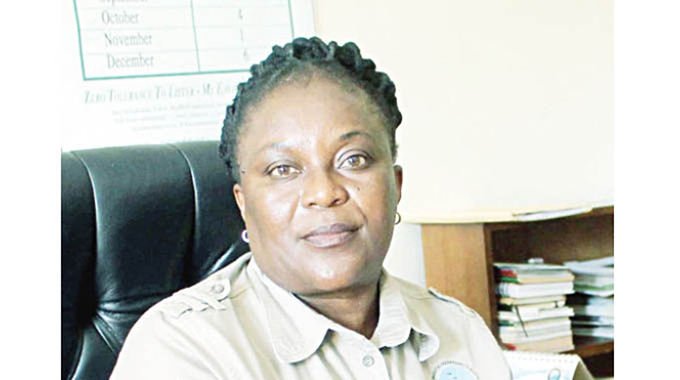
Sikhumbuzo Moyo
THE Environmental Management Agency (EMA) has launched a full-scale investigation after shocking discoveries of illegally dumped medical waste at Bulawayo’s notorious Richmond landfill site, commonly known as Ngozi Mine.
A recent inspection by EMA officials uncovered used HIV and syphilis test kits, syringes filled with unknown liquids, blood-stained cotton, surgical gloves, contaminated protective clothing, and expired medicines all carelessly discarded at the public dump.
“This is a serious violation of environmental and public health regulations. We are investigating the source of this hazardous waste,” said EMA national spokesperson Amkela Sidange.
Waste pickers at the dumpsite blew the whistle, confirming that black plastic bags containing medical waste were frequently dumped, sometimes under the watchful eye of drivers who warned them not to open the bags.
“But people do,” said one elderly woman, “and one of us got pricked by a syringe once. It’s scary.”
Sidange confirmed that the waste was recently detected during a routine monitoring visit, sparking urgent action to track down the culprits.
“The source of the waste is not yet known, but investigations are underway,” she said.
EMA suspects that some medical facilities are ignoring waste disposal regulations, opting instead to illegally dump the hazardous waste to cut costs.
The environmental body has now reminded healthcare facilities that the Cradle to Grave principle holds them accountable for the safe handling and disposal of all medical waste, even when third parties are hired to remove it.
“All medical institutions must follow proper protocols,” warned Sidange. “Waste must be incinerated or sterilised before disposal. Dumping dangerous medical waste at a public landfill is a ticking time bomb.”
According to the Public Health Act, medical waste is divided into infectious waste, sharps (like needles), radioactive waste and pharmaceuticals, each with strict handling guidelines. Without proper treatment, this waste can spread diseases, pollute the environment, and endanger scavengers and landfill workers.
Sidange stressed that hospitals without their own incinerators must engage licensed disposal companies, and are required to keep logs and receipts of every waste movement.
As the investigation intensifies, EMA has urged the City of Bulawayo to tighten control at the landfill and ensure that every load is accounted for.
“The safety of our communities and the environment depends on strict compliance,” said Sidange.
Meanwhile, residents living near the dumpsite are calling for tighter access control and surveillance to prevent more “medical horror” from landing in their backyards.