Online Reporter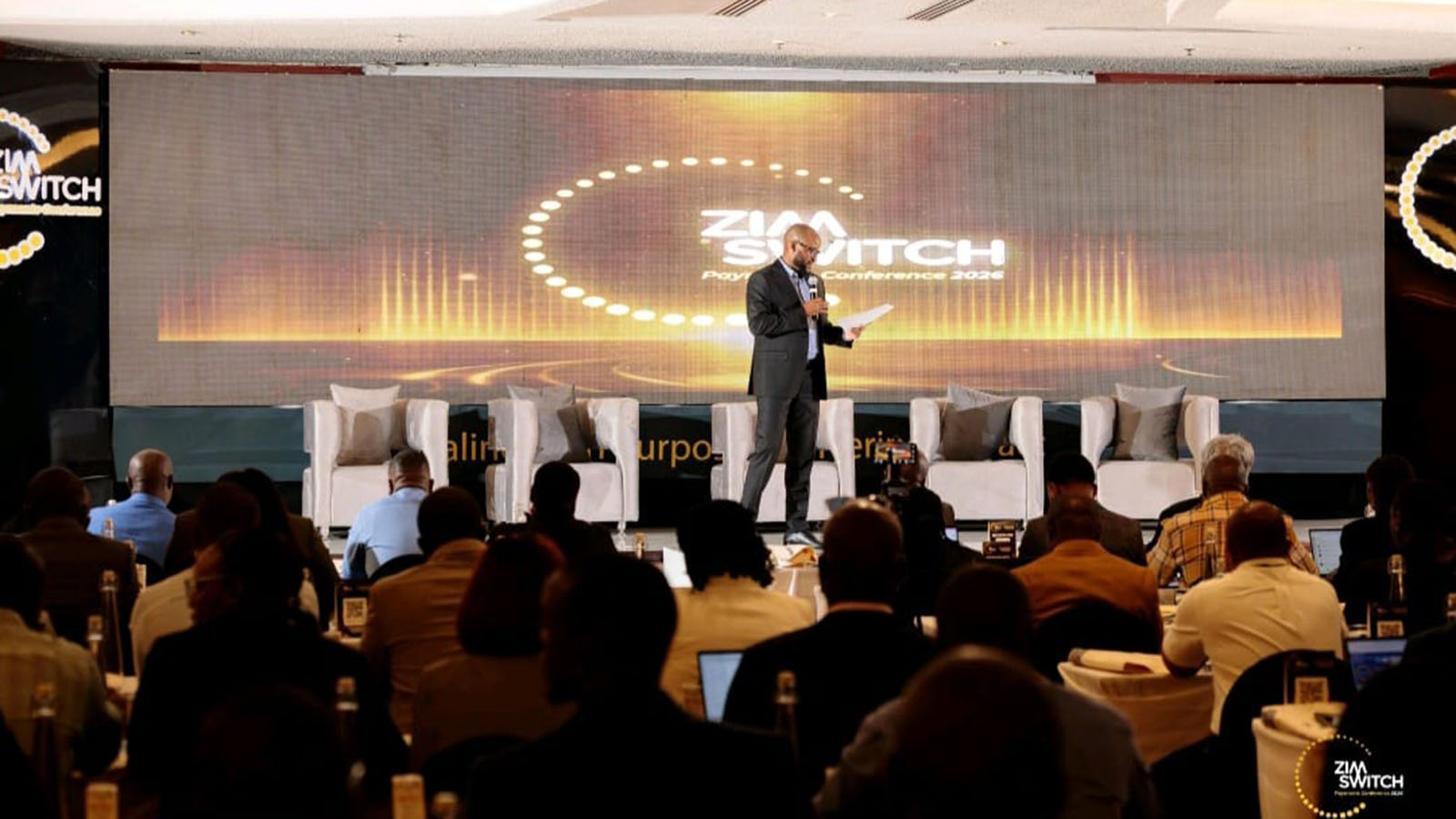
Business Reporter
Financial institutions in Zimbabwe must transition from basic simplified account structures to enhanced data collection models to bridge persistent gaps in digital payments, particularly for marginalised communities and people with disabilities.
Speaking at the Zimswitch Payments Conference in Victoria Falls on Friday, ZB Financial Holdings Chief Transformation Officer Kangai Maukazuva warned that relying on basic accounts with simplified Know Your Customer requirements has left financial sector players with insufficient data to design targeted digital solutions. While low-KYC frameworks successfully expanded basic financial access across the country, Mr Maukazuva noted that they failed to capture essential demographic attributes needed for sophisticated financial inclusion.
Mr Maukazuva explained that disability represents a major blind spot in current sector data because initial onboarding relied solely on minimal personal details. He stressed the urgent need to enhance data collection frameworks so institutions can identify customers with physical or visual disabilities and intentionally cater to their needs when designing payment platforms.
Citing national data from the 2022 FinScope research report, Mr Maukazuva highlighted that while overall financial inclusion in Zimbabwe reached 88 percent — leaving 12 percent financially excluded — formal bank usage sat at just 46 percent. Referring to the World Bank Global Findex findings and National Financial Inclusion Strategy II, he emphasised that future progress depends on driving practical product usage rather than merely opening accounts.
He pointed out that current data limitations also restrict the deployment of advanced technology, including Artificial Intelligence models, which require rich datasets to analyse consumption patterns and segment target markets effectively.
During the session, the ZB Financial Holdings executive outlined several structural barriers hindering transaction volumes, including high transaction costs, conflicting policy measures, and widespread financial literacy deficits. He added that a significant portion of low-income households rely primarily on remittances rather than active local economic transactions, making affordability and education critical focus areas.
To sustain momentum, Mr Maukazuva underscored the role of community-led initiatives, such as Village Savings and Lending Associations, which keep local economies active through mutual resource pooling and peer-to-peer financial support.
To address these systemic bottlenecks, Mr Maukazuva urged sector stakeholders to transition from low KYC to enhanced KYC parameters that capture detailed socio-economic profiles and physical accessibility needs. He called for innovation centred on daily consumption ecosystems, heavy investment in digital literacy campaigns for vulnerable groups, and the creation of clear frameworks to lower transaction costs while improving platform reliability.