admin
admin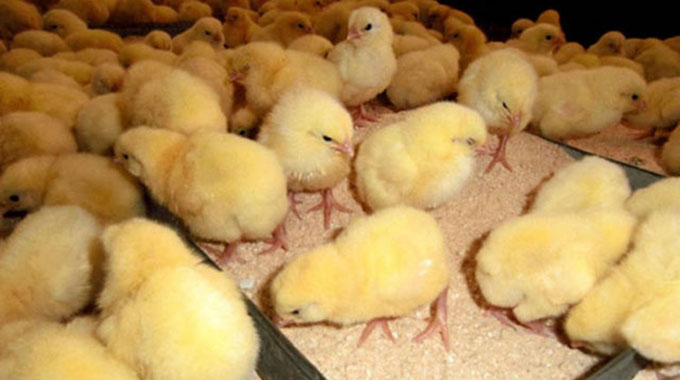
Business Reporter
PRODUCTION of day-old chicks in Zimbabwe increased by 4,8 percent to 96 million for the period January to December 2022 this year from 91,6 million in 2021 in the same period last year.
The growth is attributable to interventions by the Government to promote growth of the poultry industry.
In 2020, a total of 71,4 million day-old chicks were produced.
In line with the production thrust encapsulated in the National Development Strategy 1, backed by the Agriculture and Food Systems Transformation Strategy, the Government has also implemented interventions to protect the local market from cheap imports.
In an interview, Zimbabwe Poultry Association (ZPA) chairman Solomon Zawe said producers were able to satisfy the local market during the period under review.
“Things have been good for us this year as we have managed to improve our production figures to satisfy the market. There has been a bit of some growth in the poultry sector this year.
“The production of day-old broiler chicks has been averaging eight million per month and a quarter of that was for layers, which was also a good figure in terms of supply to the local market,” he said.
Going into 2023, Mr Zawe said the poultry industry hoped to continue satisfying the market by expanding production.
“However, the cost of production to the sector may increase next year if the country’s electricity supply situation remains subdued. Poultry producers will be affected heavily by the cost of production as they will be using diesel-powered generators to support their operations.
“For example, we need electricity for our hatcheries and cold chains, so if the electricity situation remains depressed next year, production will become costly and this in turn affects the price of chicken on the market,” he said.
Presently, Zimbabwe is faced with acute power challenges, which cause long hours of outages.
Aging equipment at Hwange Thermal Power Station causes frequent breakdowns that disrupt production, which has been exacerbated by the water shortages at Kariba Dam, used for hydropower production at Kariba South.
The Zambezi River Authority, which administers Kariba Dam, has since directed the Zimbabwe Power Company to curtail power generation at Kariba until water levels in the dam improve at least by January next year.
The Government is however working on a number of interventions to improve the power situation, including importing from the region, expanding production at Hwange and licensing independent producers.



 Online Reporter