Ray Bande
Senior Reporter
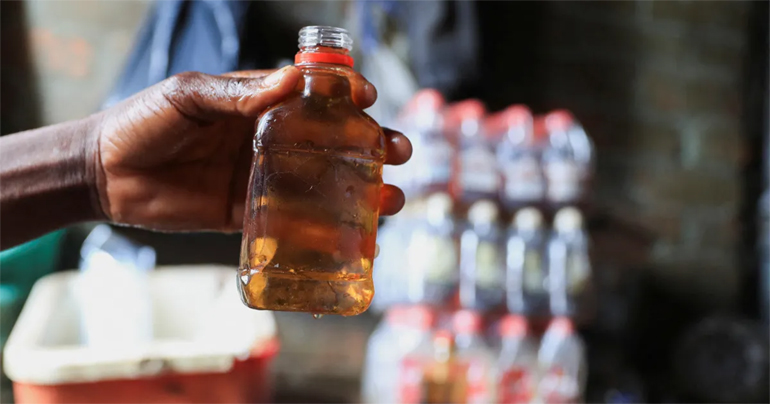
THE sale and consumption of illicit alcoholic beverages, commonly known on the streets as tumbwa or kozodo, is continuing unabated across Manicaland, with the drinks readily available over the counter in bars and bottle stores despite growing health concerns and calls for stricter enforcement.
The cheap alcoholic concoctions, whose ingredients, manufacturing processes and actual alcohol content often remain unknown, have become the drink of choice for many low-income consumers seeking an inexpensive intoxication fix. Various brands of suspected illicit brews, mostly marketed as cane spirits, are being openly sold across the province.
These include brands such as Ice, Recharge, Ranger, 8PM, Teku-Teku and Hudson, among others. Although most of these products claim to contain 40 percent alcohol, many do not carry the Standards Association of Zimbabwe (SAZ) certification mark, raising serious concerns about their quality, safety and compliance with regulatory standards.
In most outlets, a bottle sells for as little as US$0,50, placing it within easy reach of virtually anyone seeking a quick drink.
Many consumers reportedly take the alcohol undiluted to achieve rapid intoxication, while others mix it with energy drinks in a popular combination known as a “dollar deal”, where both the alcoholic beverage and mixer cost US$0,50 each. However, health experts warn that the apparent affordability comes at a potentially devastating cost.
In recent years, communities across Manicaland have witnessed several sudden and unexplained deaths in public places, particularly around shopping centres, beer outlets and growth points.
Many of these incidents have been linked to excessive consumption of cheap illicit alcohol.
Apart from the immediate dangers of intoxication, prolonged use of the brews has also been associated with loss of appetite, weight loss, malnutrition and progressive deterioration of health.
Authorities have previously acted against suspected manufacturers of illicit alcohol.
In 2023, businessman and politician, Robert Chatogo Nyemudzo, popularly known as Chatogo, was arrested for allegedly operating an illicit alcohol manufacturing enterprise in Checheche, Chipinge.
More recently, in June, two directors of a Mutare-based company, Teku Teku, were arrested for allegedly producing alcoholic beverages under unhygienic conditions intended for sale to the public.
Equipment used in the operation was reportedly recovered and impounded.
During the same month, police in Harare uncovered a large-scale illegal alcohol manufacturing operation in Southerton, recovering alcoholic products worth approximately US$920 000, and arresting four foreign nationals alongside 42 employees.
Mutare legal practitioner, Mr Passmore Nyakureba, said Zimbabwe already has adequate legislation to regulate the production and distribution of alcoholic beverages, but enforcement remains a major challenge.
“Zimbabwe has enough laws that regulate the brewing industry, including the Liquor Act, Standards Association of Zimbabwe regulations and consumer protection laws. The problem is not the absence of laws, but the deliberate violation of those laws,” he said.
Mr Nyakureba said any alcoholic beverage produced outside the country’s regulatory framework automatically qualifies as an illicit product.
“It is a violation of operational standards because alcohol products must comply with SAZ requirements and distribution guidelines under the Liquor Act. Consumers must also be protected through consumer protection legislation because some of these products pose serious health risks.
“If producers operate within the legal framework, safety can be guaranteed. Unfortunately, some individuals choose to engage in backyard brewing to maximise profits while disregarding public safety,” he said.
Mr Nyakureba called on law enforcement agencies to intensify crackdowns on illegal manufacturers and retailers.
“It is the responsibility of the police and regulatory authorities to ensure that these dangerous products are removed from the market and that the public is protected,” he said.
Medical experts warn that the dangers of consuming illicit brews extend far beyond ordinary alcohol abuse.
Prominent Mutare medical practitioner, Dr Tendai Zuze, said the greatest risk stems from uncertainty surrounding the products’ composition and alcohol concentration.
“The main danger comes from the fact that, in many cases, the exact contents and actual alcohol levels are unknown. This exposes consumers to alcohol poisoning, which can be fatal, as well as immediate complications such as gastritis and pancreatitis,” said Dr Zuze.
He added that excessive consumption can cause long-term damage to vital organs.
“The liver and heart can suffer significant damage over time. We also worry about the psychiatric and mental health effects associated with chronic alcohol abuse. Ultimately, the greatest danger is death,” he said.
According to health practitioners, consumers of illicit alcohol frequently present with loss of appetite, severe weight loss, weakened immunity and various gastrointestinal complications. In severe cases, excessive intake can lead to sudden collapse, organ failure and death.
The Manicaland Liquor Traders Association has condemned the continued sale of illicit brews by some licensed operators.
Association chairman, Mr Obey Hove, said responsible liquor traders are concerned by the growing availability of unregulated alcoholic products.
“It is unfortunate that some of our members are selling these illicit brews at a time when many people are falling victim to their harmful effects.
“We are doing everything possible to discourage the sale of these products. We also urge liquor licencing authorities to cancel the licences of traders found selling illicit brews as a way of protecting consumers and reducing their availability,” said Mr Hove.
Repeated efforts to get comment from the Zimbabwe Republic Police Manicaland office and the Liquor Licencing Board were unsuccessful at the time of going to Press.
Deadly dollar deals fuel illicit brew crisis