admin
adminFreeport-McMoRan, the workers’ union said.
“Freeport and the workers union have agreed to a 37 percent increase, but we are still waiting for it to be made official in coming days,” Juli Parorrongan, a union spokesperson, said yesterday.
“It will be paid over two years, starting with a 24 percent increase. If all goes as planned, we will return to work on Saturday.”
The rise falls far short of the workers’ initial demands from the world’s most profitable gold and copper mine. They earn an average of $1,50 per hour, and were seeking a pay rise of 300 percent.
The workers claimed to be Freeport’s lowest-paid employees in the world, including those at mines in Africa and South America.
Around 8 000 of Freeport’s 23 000 workers in Indonesia’s Papua province have been on strike since 15 September, crippling production at the Grasberg mine, which holds the world’s largest gold and second-largest copper reserves.
The strike was met by violence, and a total of nine people have died. Several of the striking workers were shot by police.
The strike is one of a wave of industrial actions across Southeast Asia’s largest economy, where the cost of living is rising and a burgeoning middle class is demanding a greater share of the nation’s economic success.
The action at Grasberg triggered a spate of violence, with at least eight people killed in ambush attacks and a clash with police in the already restive province.
The strike has slashed production by 50 percent, prompting the company in October to declare force majeure – a legal declaration of extraordinary circumstances enabling it to avoid liability on existing orders – as it was unable to deliver shipments to some customers.
Freeport has a controversial history in West Papua, which dates to the 1960s, when Indonesia annexed the territory.
Indonesia officially took over Papua in 1969, but gave Freeport the contract for Papua beforehand. For this reason, pro-independence activists see the company as complicit in the occupation of their homeland. – Al Jazeera.


Online Reporter
- Bmetro , Chronicle , SundayNews
- September 22, 2026
- 29 views
PHOTO GALLERY: From Ngozi Mine to a new beginning
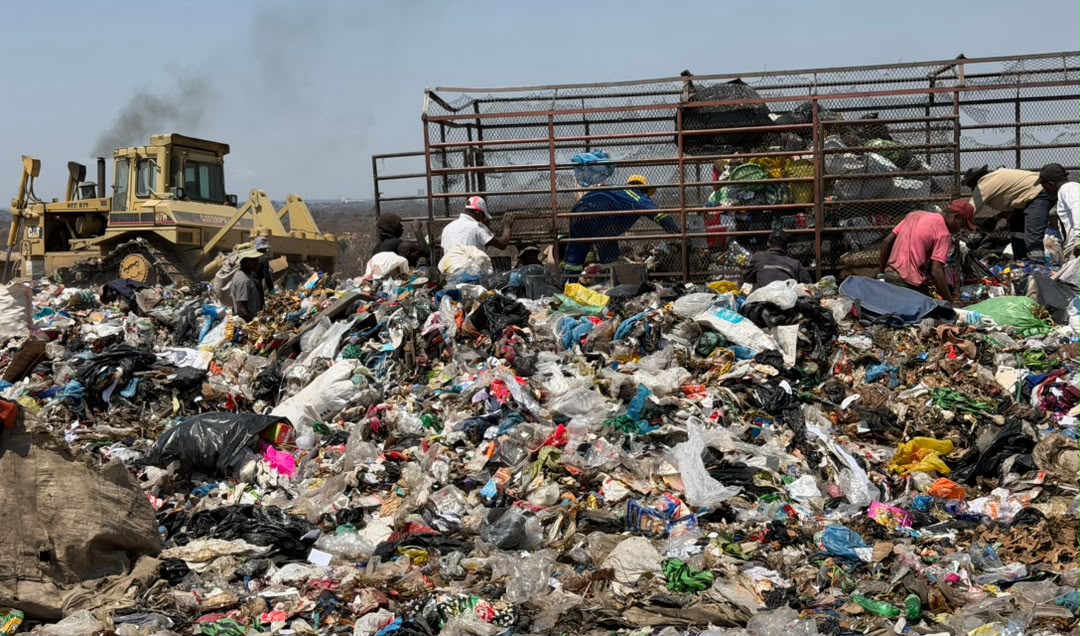
Eliah Saushoma At Bulawayo’s Richmond Landfill, popularly known as Ngozi Mine, mountains of urban waste stretch across the landscape, offering a stark reminder of the city’s long-running waste-management challenges. For…