Online Reporter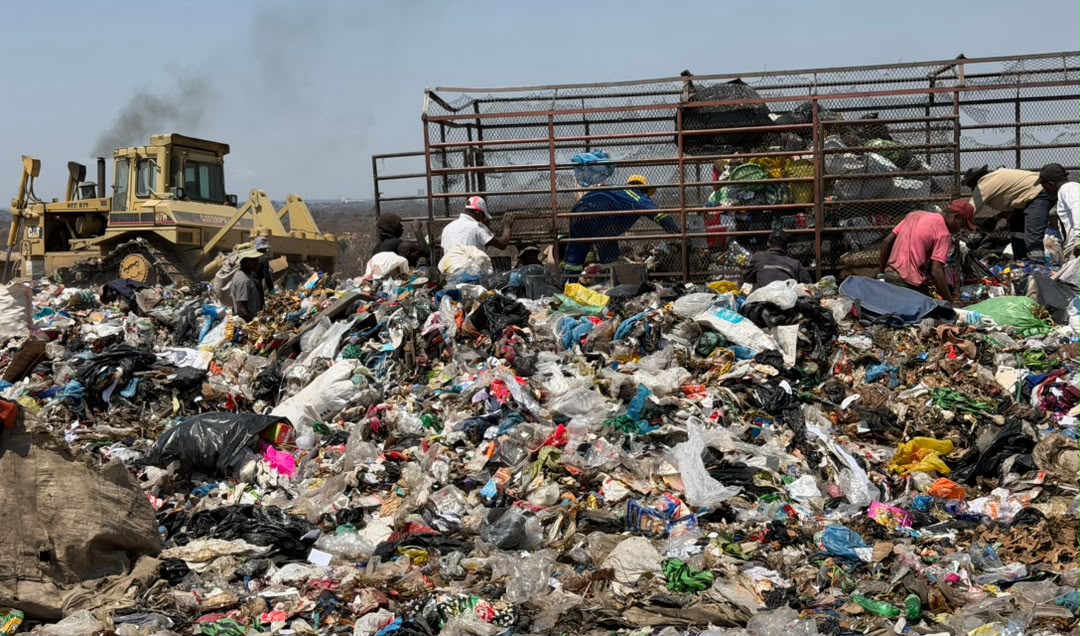
Eliah Saushoma
At Bulawayo’s Richmond Landfill, popularly known as Ngozi Mine, mountains of urban waste stretch across the landscape, offering a stark reminder of the city’s long-running waste-management challenges.
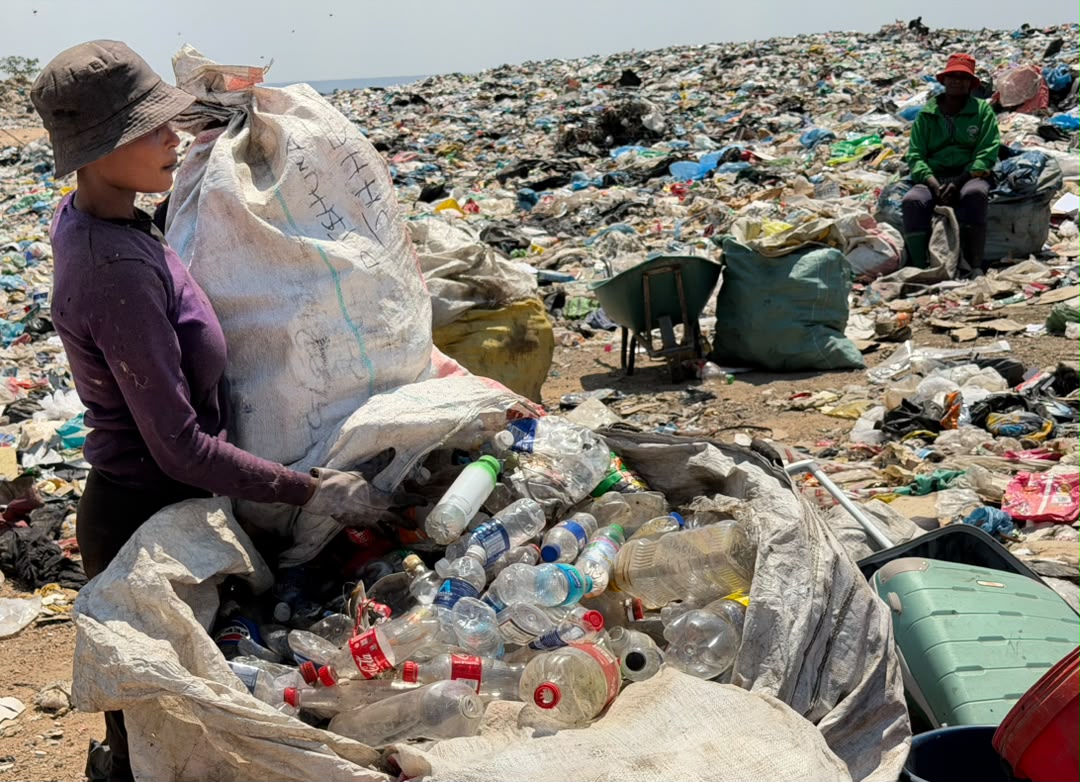
For years, informal waste pickers have combed through the sprawling landfill, manually sorting plastics, cardboard and scrap metal to make a living under difficult and often hazardous conditions.
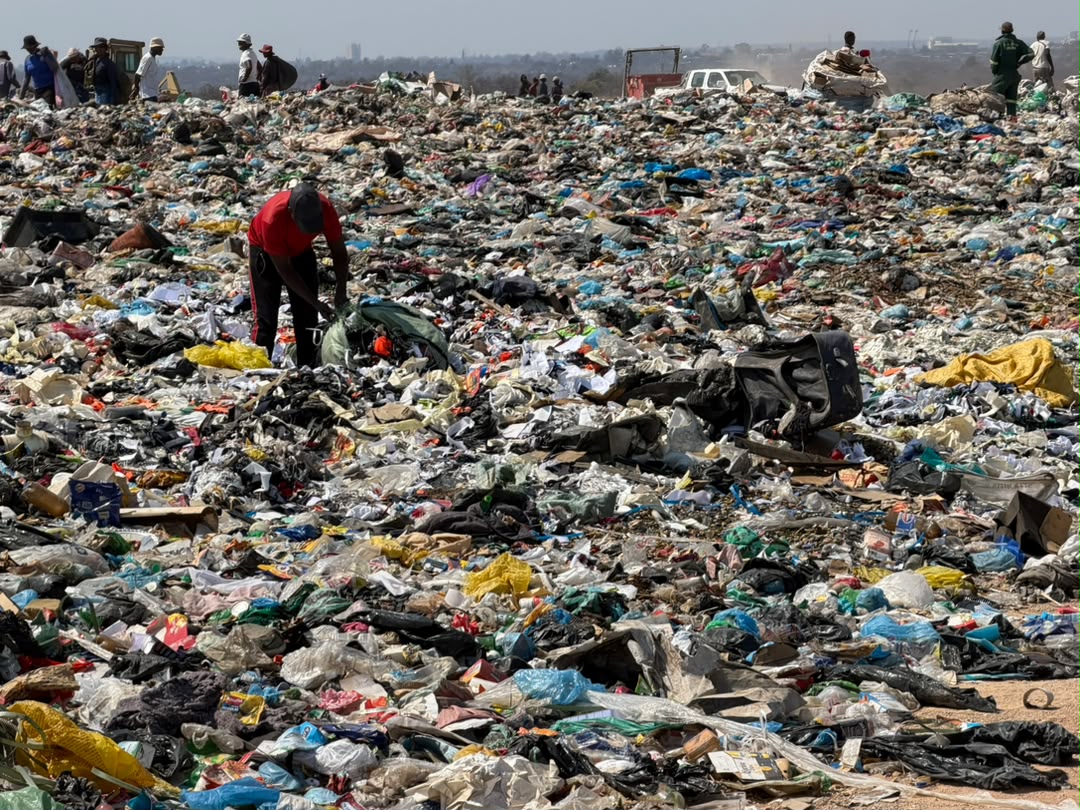
But the face of Ngozi Mine could be set for a dramatic change.
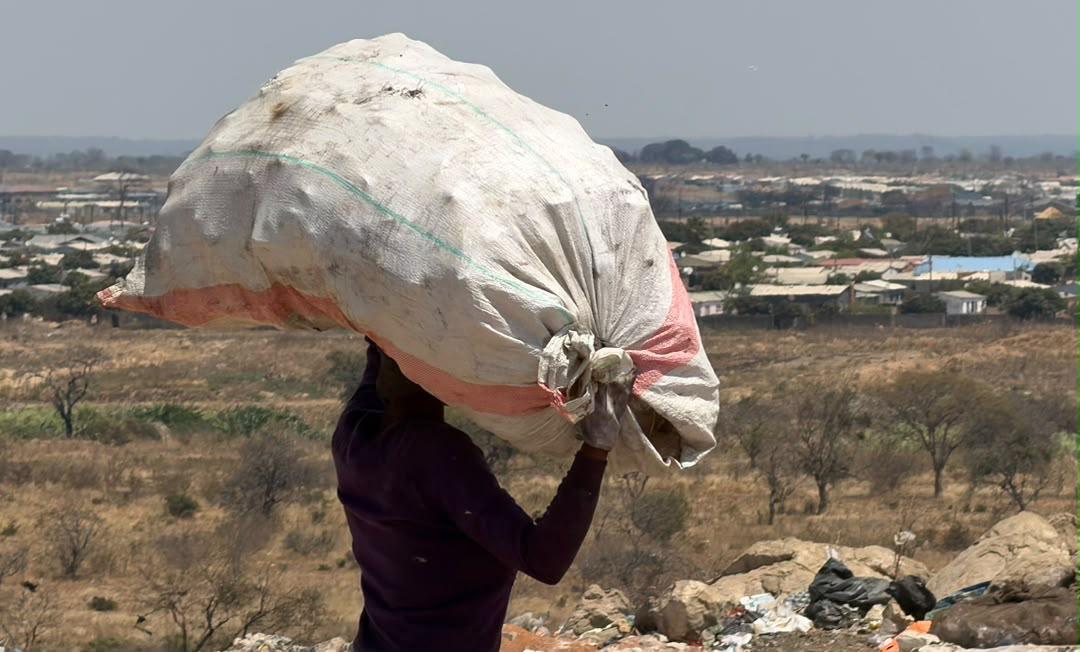
Drawing lessons from waste-management initiatives such as the Geo Pomona Waste Management project in Harare, proposed modern solutions could transform the landfill through structured recycling, waste-to-energy technologies and improved environmental management.
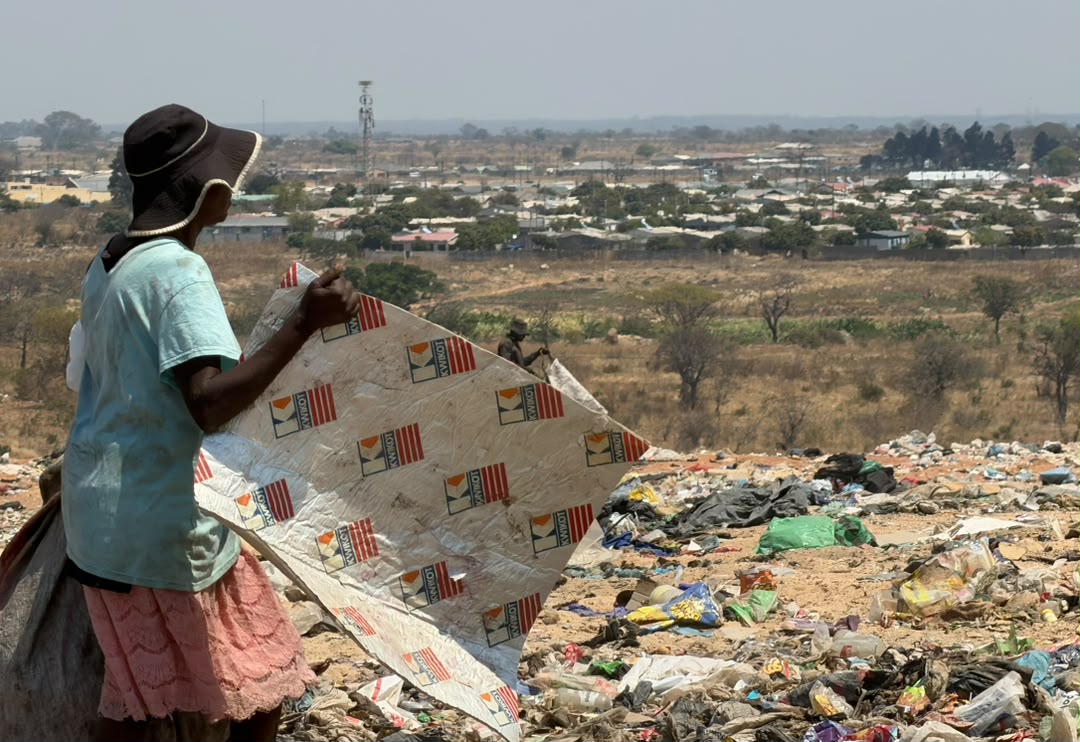
Such a transformation could help tackle pollution, persistent underground fires and poor air quality affecting communities living around the landfill.
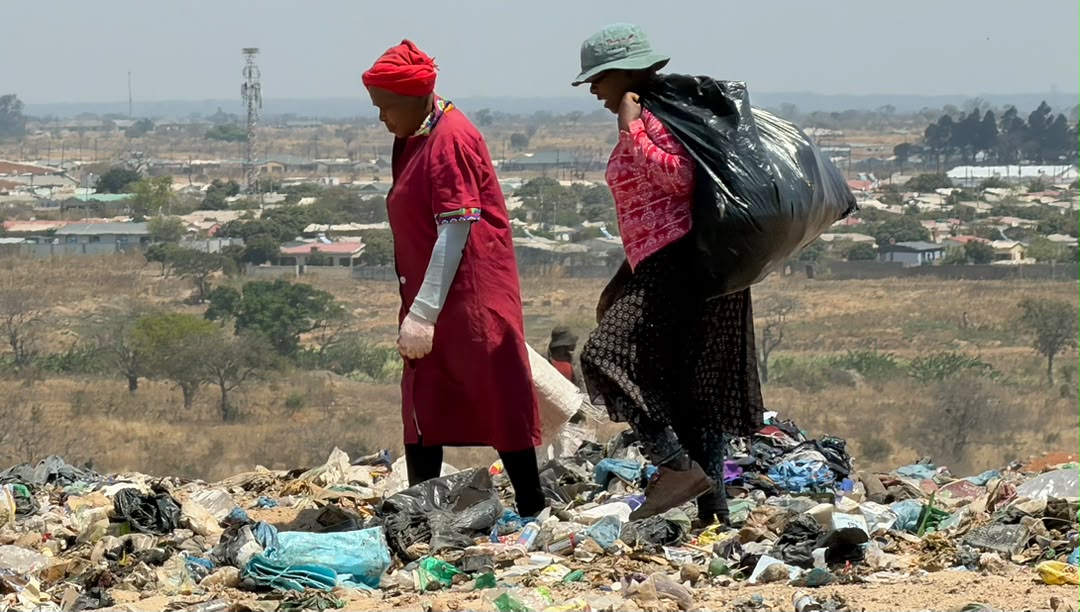
But as Bulawayo looks towards a cleaner future, the people whose livelihoods have depended on Ngozi Mine cannot be left behind.
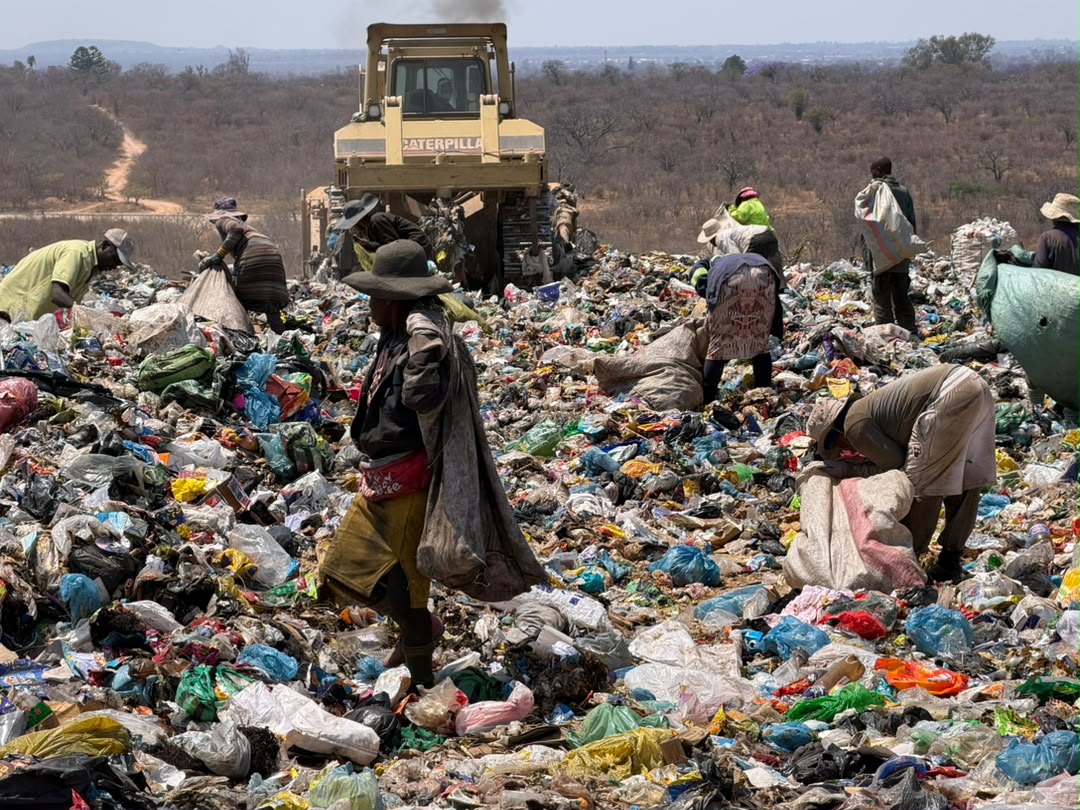
Any redevelopment of the site will need to take into account informal waste pickers, with safer working conditions, alternative livelihood opportunities and greater participation in the formal recycling economy.
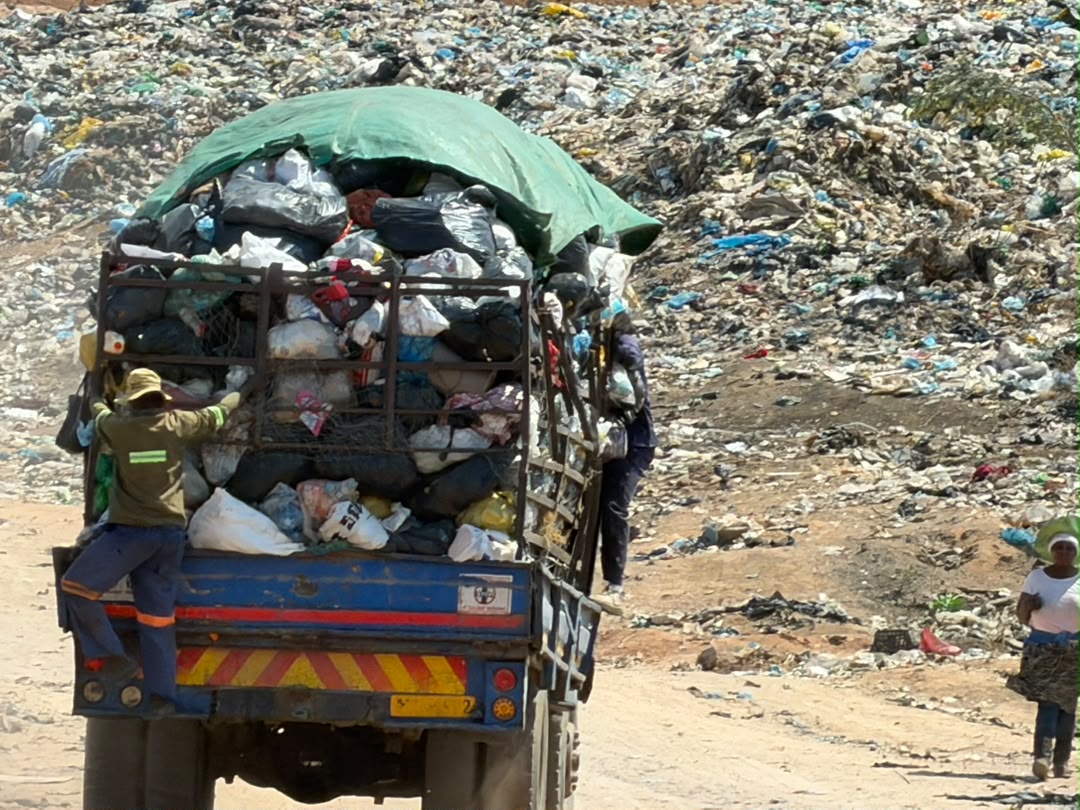
Environmental restoration will also be critical as the city seeks to rehabilitate the surrounding ecosystem and reduce the impact of years of uncontrolled waste disposal.
Ngozi Mine, once synonymous with waste, smoke and survival, now stands at a potential turning point — where a long-standing environmental burden could become an opportunity for recycling, renewable energy, job creation and a cleaner, more sustainable Bulawayo.