

 admin
admin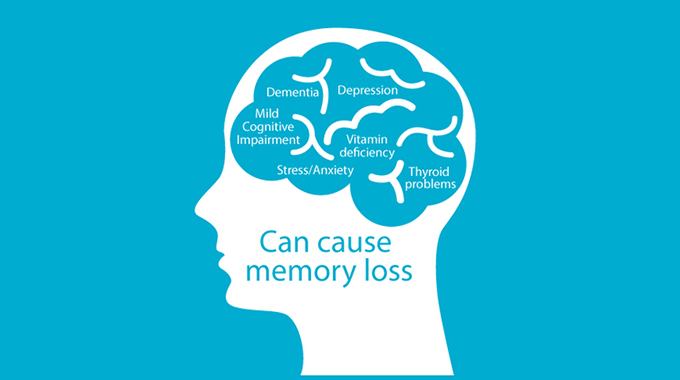
Dr Sacrifice Chirisa Mental Health Matters
As I was reading, I came across an article by Dr M Dombeck, which I would like to share with you today on memory challenges. Memory problems are common. Everyone’s memory can fail them at one time or another.
Have you ever forgotten the name of someone you just met, been unable to put a name to the face of a neighbour you saw at the movies; failed to get the one item you actually went to the market to buy; forgotten your new phone number at work; missed the birthday of someone for whom you already bought a card; forgotten where you parked the car at the mall; missed a doctor’s appointment or forgotten to take the 8pm dose of medication?
Don’t feel too bad, you’re not alone.
Memory occurs in the brain, but it is not limited by the brain. Many things around us influence our ability to make and retrieve memories. Physiological, emotional, social and environmental processes, as well as by cognitive processes other than memory per se (e.g perception, reasoning, decision making), are now accepted as affecting memory functioning in everyday life.
Physiologically, memory is affected by fatigue, nutrition and common illnesses; a variety of medicines for various conditions can impair memory.
Emotionally, memory varies with a person’s attitude, mood, motivation, and upsets. Socially, group pressures and the prejudices of others can interfere with memory performance.
Environmentally, the things around us stimulate memory, because of this fact, products are sold to help us remember (such as calendars, organisers and palm pilots).
There are things you can do to improve your memory. Through practice of mental and other activities, a variety of efforts can be made to lessen memory problems.
Improving your sleep habits can help the physiological side of memory
Relaxation exercises can calm you down and at the same time improve your memory performance
Practising conversational and name/face recognition skills can help to lessen social anxiety that can interfere with remembering names.
Organising your environment and personal effects can help you to remember where things are located.
An alarm system (such as are found in modern “palm pilots” can alert you to appointments and chores that would otherwise be forgotten or remind you to take medication.
These and other similar simple activities can be helpful in addressing mild to moderate memory problems.
Such techniques have been used to assist people with memory difficulties caused by a variety of different circumstances, including cardiovascular illness, head injury, age-related memory disorders and even students seeking to learn more in their college courses.
Use this centre to help you learn more about how memory works, and how you can get help for your memory problems.
However, if the memory problems are persistent it could be time to see your psychiatrist especially if you are above 50 years of age.
Dr Sacrifice Chirisa is a passionate Consultant Psychiatrist at Harare Hospital Psychiatric Unit. He is the National Secretary-General for the Zimbabwe Medical Association (ZiMA). A certified Life and Business coach.



 Online Reporter