Online Reporter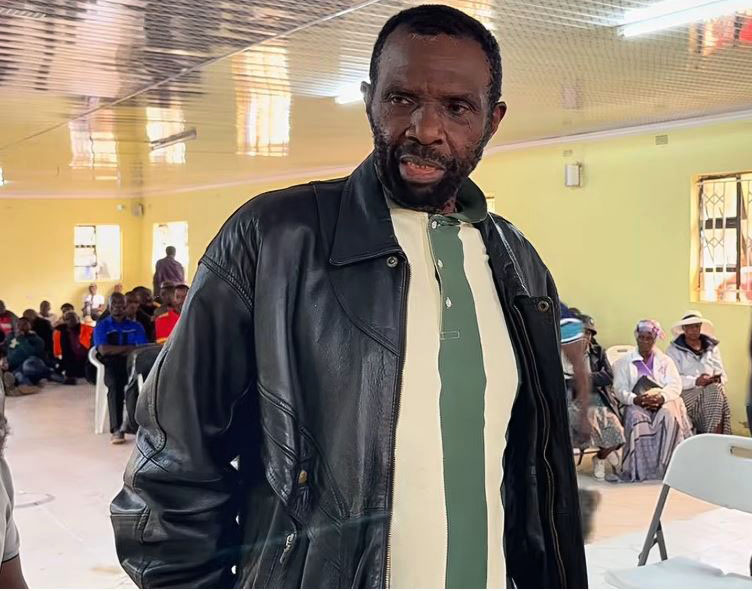
Tendai Gukutikwa
Weekender Reporter
CHIEF Mutasa has ordered a man to settle outstanding bride price for his late wife after his retired magistrate uncle-in-law dragged him to the community court, accusing him of refusing to honour the traditional obligation.
The case was brought by retired magistrate, Samuel Machiya of Norton, who represented the family of his late brother and accused his son-in-law, Enock Tangwena, of failing to complete payment of roora for his late niece.
Machiya said the dispute surfaced shortly before his niece’s burial when relatives met Tangwena to establish whether all traditional marriage obligations had been honoured.
Machiya said Tangwena admitted at the time that he could not remember whether the bride price had been fully paid and promised to consult his go-between (munyai) to verify the payments made during the marriage process.
“Before we buried our daughter, we sat down with her husband and asked him whether he had completed paying the bride price. He said he could not remember and would consult his go-between to find out what had been paid and what remained outstanding.
“I gave him three months to investigate the matter and report back. We proceeded with the burial, believing the issue would be resolved once he had checked his records,” said Machiya.
After the mourning period, Machiya said he travelled to Tangwena’s homestead seeking clarification. During the meeting, Tangwena allegedly produced a bride price record book that had belonged to his late wife.
However, rather than settling the matter, the document raised fresh questions.
“He showed me a book containing a list of payments, but there were several discrepancies. The records indicated that he had paid chuma and mombe yehumai, yet the deceased’s mother insisted she never received those payments,” said Machiya.
According to the records presented, Tangwena had paid a cow and US$120 towards chuma, as well as a further US$120 which he claimed covered the remaining balance.
Machiya maintained that his pursuit of the matter was, not motivated by personal benefit, but by a desire to ensure that cultural obligations were properly fulfilled for the sake of the deceased woman’s children.
“I am not seeking personal gain. My concern is that our customs and traditions must be respected, particularly for the benefit of the children. I even told him that if he owed my late brother 10 cattle, I was prepared to accept just one cow so that the matter could be settled peacefully,” he said.
Machiya said Tangwena rejected the proposal, arguing that the US$240 recorded in the book covered all outstanding obligations.
“He told me to report the matter to Chief Mutasa’s court if I was not satisfied. That is why I am here today. I initially asked for one cow because I wanted an amicable settlement, but his refusal forced me to revise my claim to six cattle,” he said.
In his defence, Tangwena insisted that he had honoured all requirements associated with the marriage.
“I paid the bride price in full and completed all my obligations. I do not owe the family anything,” he said.
After reviewing the records and hearing submissions from both sides, Chief Mutasa raised concerns over inconsistencies in the documentation, particularly regarding payments customarily reserved for the bride’s family and mother.
Delivering his ruling, the chief said the death of a spouse or her parents did not erase legitimate outstanding obligations arising from marriage.
“You cannot refuse to settle an obligation simply because your wife has died and her father is no longer alive. Death does not cancel what remains unpaid,” ruled Chief Mutasa.
He said the issue went beyond satisfying the deceased woman’s relatives and was fundamentally about preserving family harmony and safeguarding the interests of future generations.
“These obligations concern your family and your children. Do not assume that you can walk away from them because those who were directly involved are no longer alive,” he said.
Chief Mutasa also urged community members to avoid leaving traditional matters unresolved.
“If something remains unpaid, settle it while there is still an opportunity to do so. It is better to honour what is due and bring closure to the matter than to leave disputes hanging,” he said.
While ruling in favour of Machiya, Chief Mutasa encouraged him to maintain his original demand of one cow rather than pursue the increased claim of six cattle, in the interest of reconciliation between the two families.