Online Reporter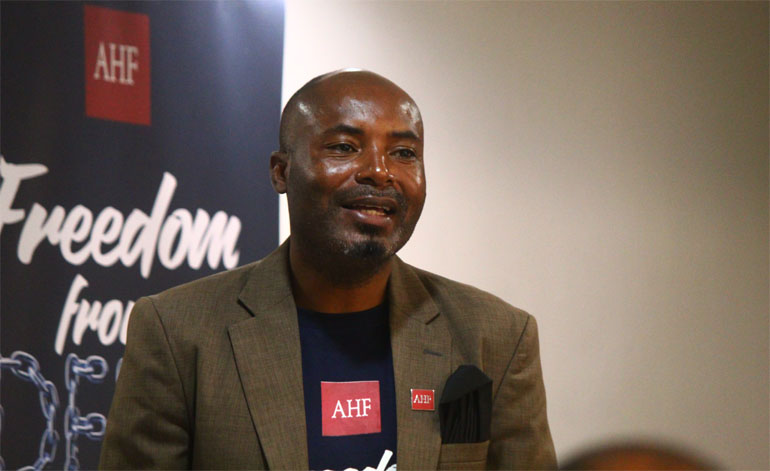
Tendai Gukutikwa
Health Reporter
GOVERNMENT has been commended for prioritising healthcare delivery through continued investment in health infrastructure, medical services and specialised treatment facilities, efforts that stakeholders say are critical to building a more resilient health system.
AIDS Healthcare Foundation (AHF) prevention and advocacy manager, Mr Clever Taderera, said while Zimbabwe has made notable progress in strengthening the health sector, such gains could be accelerated through reforms to the global financial system that would give developing countries greater fiscal space to invest in critical social services.
Speaking during an engagement on debt and development, Mr Taderera said governments should not be forced to choose between servicing debt and funding essential public services.
“Countries should not be made to choose between servicing debt and investing in the health of their people. When nations are afforded fair debt arrangements, they are able to direct more resources towards hospitals, medicines, healthcare workers, education and other essential social services that improve the lives of their citizens,” he said.
Mr Taderera said AHF’s Freedom from Debt Campaign seeks to promote reforms in international debt systems to enable developing countries to meet their financial obligations while still investing in key development sectors.
He noted that debt burdens facing many countries in the Global South continue to undermine efforts to expand healthcare, education and social protection programmes.
“Unless these countries free themselves from unsustainable debt burdens, they will continue facing challenges in allocating adequate resources to vital sectors such as health, education and social protection,” he said.
Mr Taderera emphasised that healthcare delivery requires sustained financing to support medicines procurement, infrastructure development, healthcare worker remuneration and the expansion of specialised services.
“The health sector requires continuous investment, whether in acquiring medicines, building health infrastructure, remunerating healthcare workers or expanding specialised services.
“These are all areas that require adequate resources if we are to continue improving healthcare delivery,” he said.
Zimbabwe has in recent years intensified efforts to strengthen its health system through the upgrading of health facilities, decentralisation of specialised services and expansion of access to treatment closer to communities.
Mr Taderera said such initiatives would yield greater results if complemented by a more equitable global financial architecture that recognises the development needs of lower-income countries.
Information presented during the engagement indicated that Zimbabwe’s external debt arrears stand at approximately US$7,7 billion, a situation that has limited access to concessional financing from some international lenders.
According to Mr Taderera, debt servicing obligations often shrink the fiscal space available for governments to invest in national development priorities.
Under its Freedom from Debt Campaign, AHF is advocating three key reforms.
The first is the establishment of a Borrowers’ Forum, which would enable developing countries to negotiate collectively with international lenders rather than individually.
“We are saying countries in the Global South should speak with one voice when negotiating loans and repayment conditions. Collective negotiations strengthen bargaining power and create opportunities for more sustainable financing arrangements,” he said.
The second proposal calls for automatic debt service pauses during major crises, including public health emergencies and climate-related disasters.
Mr Taderera argued that countries facing emergencies should be allowed to redirect resources towards saving lives and rebuilding communities without the additional burden of debt repayments.
“During periods such as the Covid-19 pandemic or climate disasters, creditors should suspend debt servicing requirements to allow governments to focus on protecting lives and restoring livelihoods,” he said.
The third proposal advocates for a one percent solidarity levy on the profits of leading artificial intelligence companies, with proceeds channelled towards debt relief and development financing in the Global South.
“AI companies are experiencing rapid growth and benefiting from communities across the world. We believe they can contribute by dedicating one percent of their profits towards supporting debt relief and development initiatives in developing countries,” said Mr Taderera.
He also stressed the importance of citizen participation in national budget processes, saying communities should actively contribute to discussions on development priorities.
“We want to empower communities to participate meaningfully in budget consultations. People need to understand these issues and ensure that sectors such as health remain at the centre of national development planning,” he said.
Mr Taderera said creating a sustainable financial environment was essential for governments seeking to expand healthcare access and improve social services.
“When countries have greater capacity to invest in health, education and social protection, communities benefit through improved services and a better quality of life,” he said.
The engagement brought together stakeholders and community representatives to raise awareness on debt-related challenges, their implications for development and the need for greater citizen participation in shaping national priorities.