daniel chigunwe
Anashe Mpamombe
Herald Correspondent
Decolonisation is more than the mere removal of external colonial powers, it is a continuous internal transformation that reshapes the very fabric of a society.
While the process of achieving political independence is vital, true freedom and self-empowerment come from within, in a way that empowers people and restores the dignity of a nation.
In Zimbabwe, under the Second Republic, the journey of decolonisation is not just a reflection of political milestones but a deep-rooted commitment to reclaiming economic independence, cultural pride and national sovereignty.
This ongoing transformation is guided by the Vision 2030 framework, which ensures that Zimbabwe’s future is built on its own resources, ideas, and capabilities.
Zimbabwe’s path to independence in 1980 was a monumental achievement that marked the end of colonial rule. However, the legacy of colonialism was not erased overnight.
True liberation involves rebuilding from within, addressing the remnants of colonial structures, and empowering Zimbabweans to fully realise their potential.
President Mnangagwa’s leadership has turned this challenge into an opportunity for growth, with Vision 2030 focusing on fostering a prosperous, self-sustaining economy, strengthening national unity, and promoting social development.
At the core of Zimbabwe’s decolonisation effort lies the recovery of its land, resources, and economic independence. Under President Mnangagwa’s guidance, Zimbabwe has taken bold steps to ensure its wealth benefits its own citizens.
The land reform programme, a landmark achievement in the country’s history, redistributed land to Zimbabweans who had been denied it for generations.
This programme empowered indigenous farmers and revitalised the agricultural sector, allowing Zimbabwe to take control of its resources and improve food security for its people.
Zimbabwe is also making significant strides in industrialisation, working to diversify its economy and reduce dependency on foreign aid.
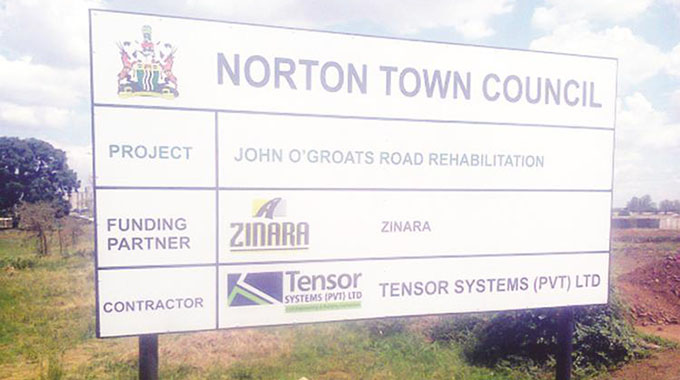
Government’s focus on infrastructure development, such as roads, electricity, and communication networks, has created an environment conducive to economic growth.
Through these efforts, Zimbabwe is gradually building a self-sufficient economy that is not solely reliant on external influences or global markets.
By strengthening its domestic industries, Zimbabwe is creating more jobs, stimulating local entrepreneurship, and laying the foundation for long-term economic growth.
Beyond economic empowerment, cultural decolonisation is another key area where Zimbabwe is making substantial progress.
Under the Second Republic, the country has prioritised the restoration of indigenous cultures, languages, and traditions. This cultural renaissance is helping Zimbabweans reconnect with their roots, fostering pride in their heritage and reinforcing the values that have shaped their identity for centuries.
By promoting local languages such as Shona, Ndebele, and others in schools and public spaces, Zimbabwe is embracing the richness of its cultural diversity and strengthening national unity.
Education plays a central role in this cultural revival. Zimbabwe’s education system is increasingly designed to reflect African knowledge systems, alongside modern curricula that equip students with the skills needed to thrive in a globalised world.
Government is focused on providing quality education for all, ensuring that every Zimbabwean has access to the tools needed for success.
This approach not only elevates the country’s intellectual capital but also instils a deep sense of pride and ownership over its future.
In addition to economic and cultural decolonisation, Government has worked tirelessly to foster political inclusivity and national cohesion.
The Vision 2030 framework encourages dialogue among all sectors ensuring that every Zimbabwean, regardless of their background, has a voice in shaping the country’s future.
This inclusive approach to governance is key to unifying the nation and ensuring that the benefits of decolonisation reach all citizens, from urban areas to rural communities.
Zimbabwe’s Vision 2030 is a clear roadmap for the country’s future, outlining the goal of achieving a prosperous, industrialised, and united nation.
The focus is on economic diversification, infrastructure development, and social empowerment, creating an environment where Zimbabweans can flourish.
With continued progress in agriculture, mining, manufacturing, and other sectors, Zimbabwe is on track to achieve its goal of becoming an upper-middle-income economy by 2030.
The emphasis on sustainable development and social equity ensures that no one is left behind on this journey toward prosperity.
Government is also working hard to create a more conducive environment for foreign investment while maintaining the country’s sovereignty.
It is committed to building strong partnerships with other nations and international organisations, while ensuring that the interests of the Zimbabwean people remain paramount. By balancing global engagement with national self-reliance, Zimbabwe is forging its path towards a future defined by independence, growth, and prosperity.
Zimbabwe’s decolonisation is not simply a political act but a holistic, ongoing process that involves reclaiming economic power, revitalising culture, and ensuring inclusive governance. The leadership of President Mnangagwa has set the nation on a path toward self-sufficiency and national pride, with Vision 2030 serving as the blueprint for a brighter future.
Through the reclaiming of land, strengthening of industries, revitalisation of culture, and promotion of social equity, Zimbabwe is demonstrating that decolonisation is not just about removing external influence; it is about internal transformation and self-empowerment.
The country’s journey is an inspiring example of how true liberation involves more than independence; it involves the creation of a self-reliant, prosperous, and unified nation.



 Online Reporter