Online Reporter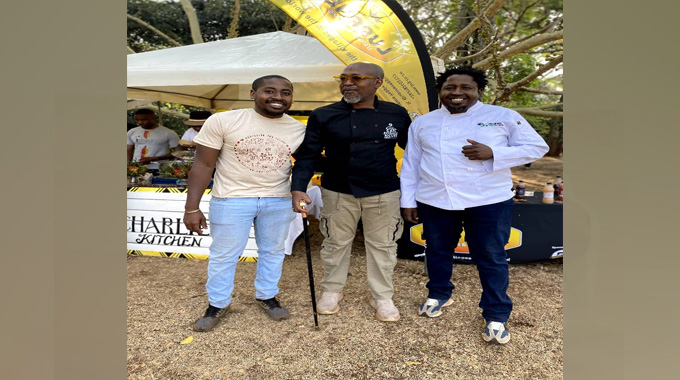
Mbulelo Mpofu, Zimpapers Arts and Entertainment Hub
FOR centuries, colonialism didn’t merely redraw borders and strip landscapes; it unstitched the intimate fabric of African food ways, supplanting rich, resilient indigenous systems with imported monocultures and unsettling the very spirit of communal eating that gave meaning to everyday life.
“Decolonising the plate is what we are all about, because colonisation destroyed commensality,” declared Makhosi Mahlangu, Director of the African Food Revolution (AFR).
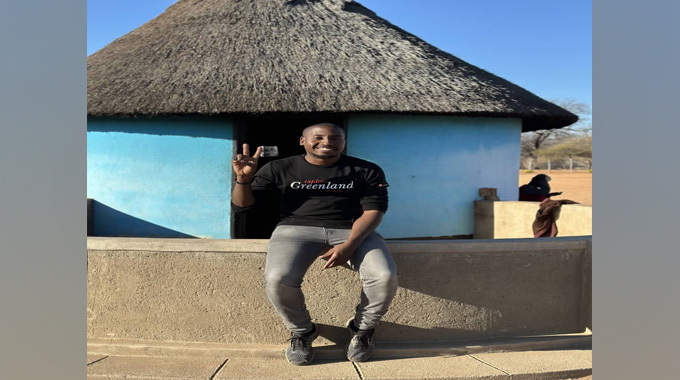
This powerful statement reaches straight into the marrow of AFR’s purpose, a reminder that food is never only sustenance but a language, a history, a way of belonging.
Commensality — derived from the Latin words com (with) and mensa (table) — evokes the deep cultural, social and spiritual practice of sharing meals. It is the ordinary miracle of gathering, of stories traded over bowls and steam, of community affirmed at the table’s edge.
Its erosion is no small wound; it is a fracture felt in families, in villages, in cities, a quiet unravelling of how we recognise one another and keep one another whole.
Now, under the steady drive of the Mahlangu brothers, Makhosi and Prince Sivalo of Nkayi, AFR is not simply advocating for change; it is moving with strategic intent, expanding its influence in ways that promise to reshape the continent’s food systems and ripple far beyond Africa’s shores.
Makhosi knows the field as well as the forum. Having lived across continents and conversed with kitchens and communities as readily as with policymakers, the award-winning food systems leader, cultural conservation practitioner and social entrepreneur has anchored his work in indigenous knowledge, value addition and inclusive rural industrialisation, drawing strength from the ground up.
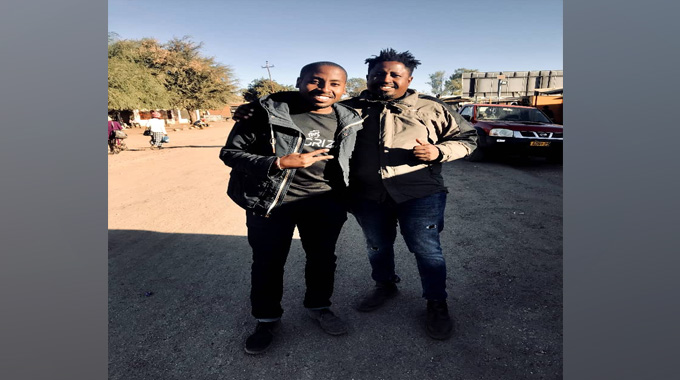
As Director of AFR, he sets a pan African horizon that embraces food sovereignty — communities shaping their own food systems — that honours the land, women-led agribusiness, restless youth innovation and policy advocacy that turns community wisdom into durable frameworks.
His practical, community first approach gains even greater reach through his seat on the Board of the Food and Nutrition Council of Zimbabwe, where he insists that national strategy must listen to local voices and honour lived experience.
Makhosi’s recent appointment as a CYC Africa Mentor under the Commonwealth Youth Council (CYC) marks a decisive tilt towards global leverage and collaborative possibility for both him and AFR.
The CYC, representing more than 1,5 billion young people across 56 Commonwealth nations, is a formidable engine for youth-led development — shaping policy, cultivating leadership, mobilising resources and building platforms where young minds steer economic renewal. To enter that mentorship ecosystem is to step onto a wider stage with steadier footing.
“This is a strategic breakthrough for the African Food Revolution. It catapults our reach onto a global stage, placing African-led solutions for food security, value addition, and climate resilience directly onto high-level Commonwealth policy tables. Crucially, it unlocks unprecedented pathways for partnerships, funding opportunities, and the scaling of youth-driven innovation not just within Africa, but across the entire Commonwealth network,” Makhosi emphasised.
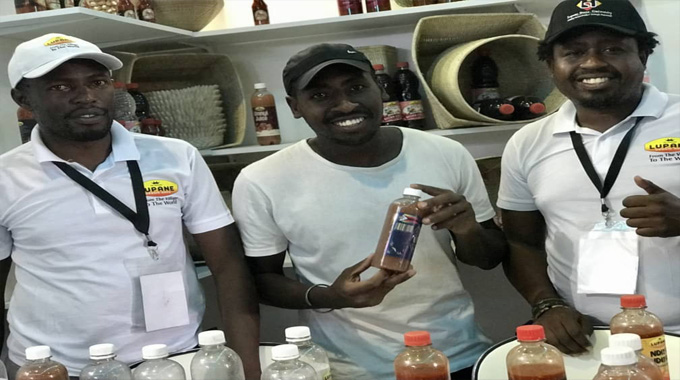
This rise dovetails beautifully with AFR’s concrete expansion plans, proof that vision is being matched with footprint.
A key milestone is the official opening of the AFR Cameroon and Rwandan offices slated for later this month, the next stepping stones on a path laid with care and purpose.
This move is precise in its ambition: to consolidate AFR’s presence in Central and West Africa — regions where food cultures are dazzlingly diverse yet beset by stubborn systemic challenges —and to meet those realities with rooted, adaptive solutions.
It is a deliberate embrace of cross border collaboration and knowledge exchange, a commitment to carry AFR’s model across differing terrains while keeping local nuance in sharp focus.
While Makhosi, a member of the Lupane Veggie Guys, navigates policy corridors and mentorship circles, his younger brother, Prince Sivalo, reaches hearts and kitchens with a different but equally vital kind of persuasion.
As the charismatic host of the popular YouTube channel, “Magriza Made Me Cook,” Prince has become a household name, turning the domestic ease of online cooking into a lively celebration of indigenous ingredients, treasured recipes and the unabashed joy of African cuisine.
Last July, Prince’s mission met the continent’s conversation at full tilt.
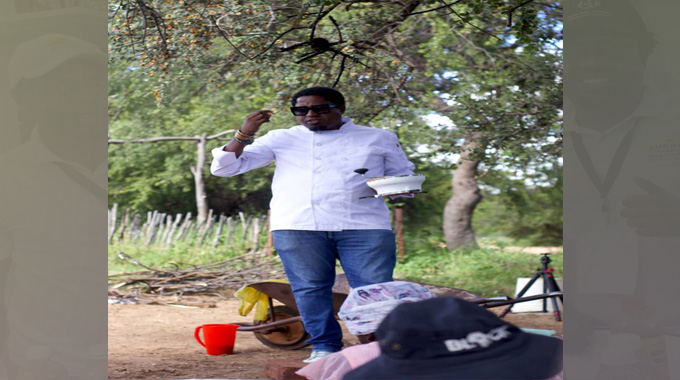
He was in Addis Ababa, Ethiopia, participating in the Alliance for Food Sovereignty in Africa (AFSA)’s inaugural continental African chefs gathering and policy convening, a summit where aprons and agendas shared the same table.
Running under the resonant banner, “My Food Is African,” this landmark event elevated traditional African cuisine far beyond the realm of daily fare, seeing it instead as a living archive and a forward looking force.
It positions it as a vital, dynamic catalyst for cultural revival, public health improvement, and ecological sustainability, knitting taste to well-being and memory to the land.
The gathering drew a vivid chorus — renowned chefs, policymakers, farmers, seed savers, nutritionists and activists — each bringing a stitch that, together, mends the fabric of food sovereignty.
Its core aim is unequivocal: to stress the critical importance of achieving true food sovereignty in Africa by revitalising knowledge, appreciation and use of indigenous foods, letting ancestral wisdom guide modern practice.
The theme, “My Food is African: Chefs and Changemakers Shaping Food Futures,” perfectly captures the arc of Prince Sivalo’s role, both chef and herald.
He embodies the “changemaker” using culinary skills and media influence to reshape perceptions and practices, making the familiar gleam and the forgotten return to the table.
His participation binds the grassroots warmth of “Magriza Made Me Cook” to the sharper edge of AFSA’s strategic discourse, showing that celebration and policy are not rivals but partners, two hands lifting the same bowl.
The power of the Mahlangu brothers’ work lies in its balanced duet, each answering the other with purpose.

Makhosi, through AFR and now the CYC mentorship, works methodically to dismantle structural obstacles — pressing for policies that honour smallholders, especially women; advancing agro ecological methods that meet climate change with care and protect biodiversity with intent; and building youth capacity for innovation and entrepreneurship across the food economy.
His focus is to create the enabling conditions in which food sovereignty can breathe and grow, not as a slogan but as daily practice.
Prince Sivalo, meanwhile, tends the cultural fire and keeps it burning bright.
Through “Magriza Made Me Cook” and convenings like AFSA’s, he renders indigenous foods desirable, attainable and a source of delighted pride, inviting palates to rediscover what the land has always offered.
He showcases the incredible diversity, nutrition and flavour inherent in African ingredients and culinary traditions, confronting the lingering colonial habit of undervaluing local cuisines with confident, irresistible plates.
He actively rebuilds commensality by opening virtual and physical spaces where the joy of sharing African food is central, where stories simmer and communities taste themselves back into wholeness.
“Colonisation severed our connection to the land and to each other across the table. Reclaiming our indigenous foods is reclaiming our history, our health, and our ability to nourish ourselves sustainably. But equally vital is restoring the practice — the shared meals, the stories told over stews, the community forged through feasts. That’s the true essence of decolonising the plate: it’s about restoring wholeness, bite by bite, gathering by gathering,” reflected Makhosi, underscoring the profound link between food sovereignty and commensality.
The AFR, under Makhosi’s Directorship, is gathering pace with visible momentum, the kind that suggests roots deepening and branches finding light.
Makhosi’s CYC mentorship opens doors to global youth networks and policy levers that can turn careful ideas into durable change at scale.
Prince’s presence at the AFSA gathering amplifies the cultural imperative across the continent, reminding audiences that a plate can carry history and possibility, and a recipe can teach resilience.
Prince values working with his elder brother.
“My collaboration with my brother at African Food Revolution has been a valuable experience. As we are both passionate about the food industry in Zimbabwe and Africa, our complementary skills have been mutually beneficial. His expertise as a food scientist and my culinary background as a chef have enabled us to achieve our objectives effectively.”
The planned expansion into Cameroon and Rwanda signals bold continental intent, the replication of a model that braids cultural pride, youth engagement, women’s empowerment and sustainable practice into a pattern that can hold across varied nations.
Their work reaches beyond agriculture and cookery; it is a reclamation of identity, autonomy and the gentle rituals that bind people together.
By decolonising the plate and actively rebuilding commensality, the Mahlangu brothers and AFR are sowing a future in which Africa feeds itself with confidence, nourishes its people in body and spirit, and charts its food destiny on its own terms.
The revolution is not merely simmering; it is rising, steady and strong, carried by hands that know the soil and voices that know the room — spreading, strategically and powerfully, across the continent. —@MbuleloMpofu