Online Reporter
Mbulelo Mpofu and Brighton Ncube
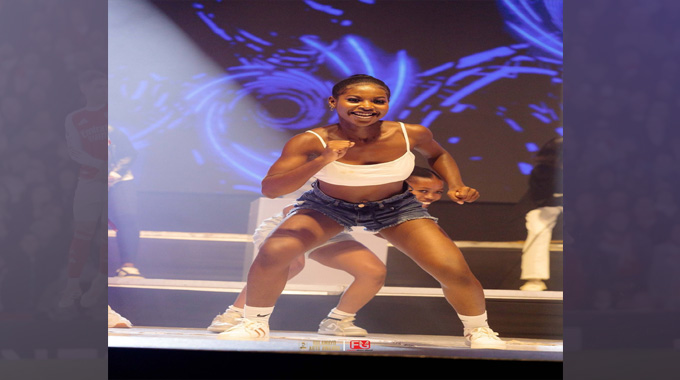
THE recent Bulawayo Arts Awards (BAA) ceremony once again illuminated the exceptional depth and vibrancy of the City of Kings’ creative soul. Glittering gowns, sharp suits, electrifying performances, and the palpable joy of recognition filled the air as the city celebrated its artistic champions.
Yet, beneath the deserved (and occasionally questionable) accolades and moments of pure stage magic, the 2025 edition was haunted by familiar logistical spectres. This raises critical questions and demands a decisive blueprint for the future if this flagship event is to truly honour the talent it showcases.
Chronic time mismanagement
The most pervasive and damaging issue — echoing a lamentable trend across Bulawayo events — was catastrophic time management. Advertised to commence at 6:00PM, the ceremony only flickered to life well after 8:00PM.
This two-hour delay is far more than a minor inconvenience; it represents a fundamental disrespect for the artistes, nominees, sponsors, and, crucially, the paying public who adhered to the advertised schedule.
Guests arriving promptly at 6:00PM were subjected to an interminable wait, draining energy and enthusiasm before the first award was even presented. Perhaps this occurred because the 20th was a day crowded with events requiring the same personnel.
Just a stone’s throw from the BAAs, the Ubuntu Culture Night was in full swing, dividing the audience — an overlap that must be addressed if Bulawayo events are to maximise their shared reach. This foundational failure cascaded, disrupting every subsequent element from the red carpet to the grand finale.
Rigorous adherence to published timelines is not a luxury; it is the bedrock of professional event execution. Organisers must enforce strict backstage and front-of-house schedules with clear contingency plans. The audience’s time is valuable; treating it otherwise is a profound disservice.
Production and performance: Where the BAA truly shone
Amid the logistical turbulence, the core artistic offerings provided undeniable highlights. The stage design received universal acclaim — a visually striking and functional platform befitting the occasion. Equally impressive was the flawless sound engineering, an often-overlooked element executed with precision, ensuring every note and word resonated clearly throughout the venue.
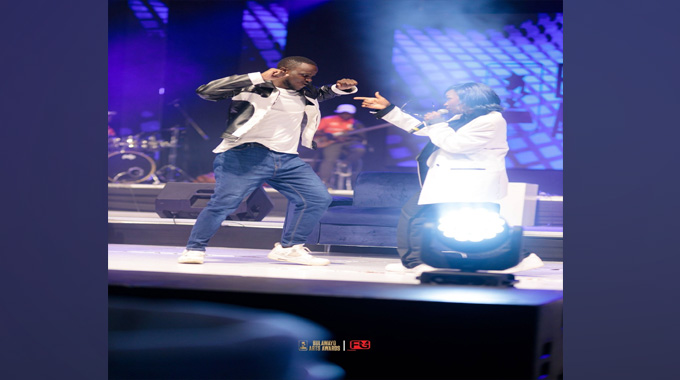
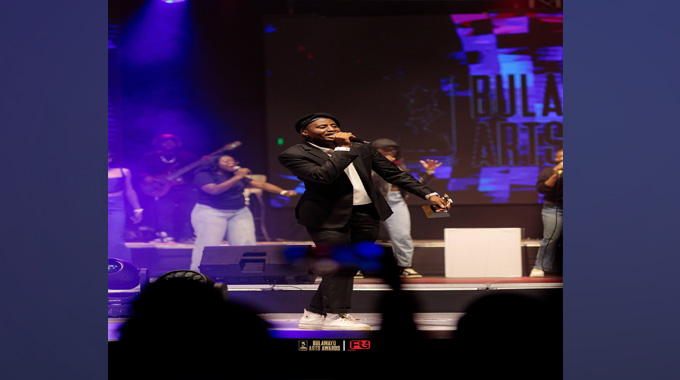
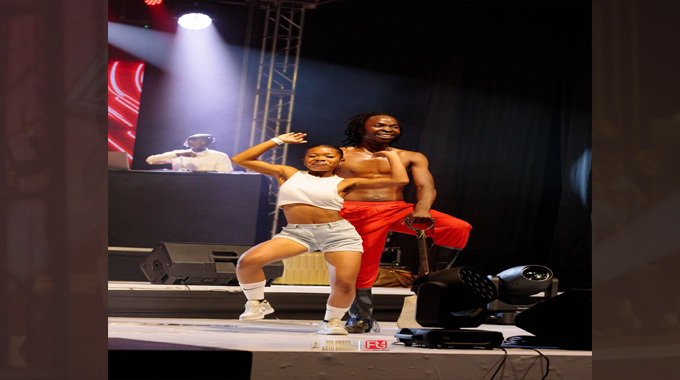
The true heartbeat of the night, however, was the stellar performances from the artistes, some of whom were winners on the night. From captivating individual acts to the dynamic choir and exceptionally talented choreographers, the stage came alive with energy and professionalism.
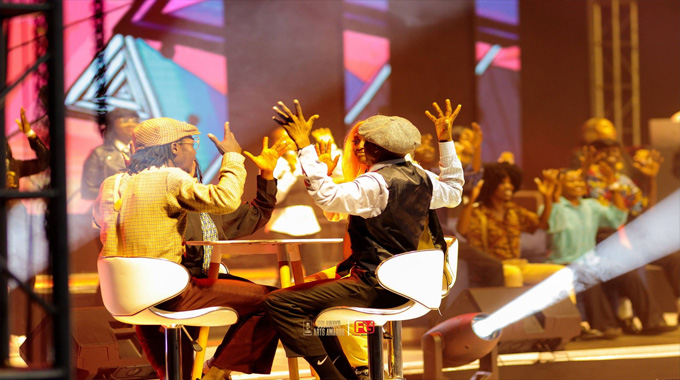
They “held it down throughout the night,” injecting vital dynamism and showcasing the raw talent that makes Bulawayo’s arts scene so special. This core production value remains the BAA’s most potent asset.
Fresh faces, script shackles, and a voice-over conundrum
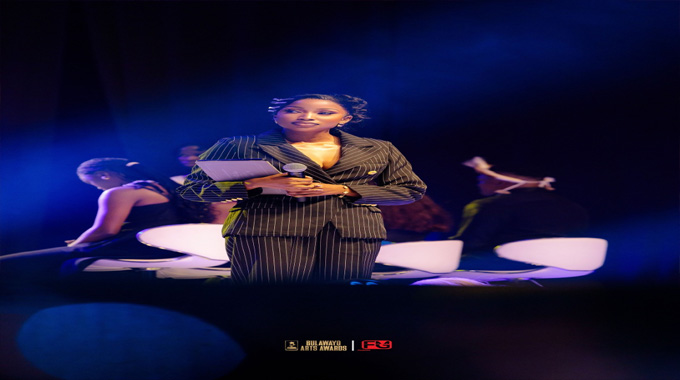
The selection of MCs signalled a welcome embrace of new energy. Benkosi “BKay” Maphosa brought contemporary appeal, Nozinhle Gumede added a fresh presence, and the seasoned Lady Tshawe provided anchoring gravitas, carrying significant segments effortlessly with her commanding voice.However, their collective potential was hamstrung by a critical flaw: an overwhelming reliance on printed scripts. Heads buried in sheaves of paper and tablets throughout the evening created an insurmountable barrier to genuine audience connection and fluid interaction.

The constant, visible search for the next line shattered the illusion of spontaneity. While budget constraints preventing teleprompter use are a reality, the solution lies in dedicated preparation. Future hosts must strive to internalise key segments, utilising discreet cue cards rather than verbatim recitation.
Furthermore, BKay’s occasional “disappearing acts” left his co-host, Nozinhle, pulling double duties. Compounding this was the unconventional handling of the voice-over. Traditionally a mysterious, unseen announcer, the “voice of God” effect was lost as Lady Tshawe visibly delivered announcements from the side of the stage. For future ceremonies, the voice-over must remain an unseen presence to maintain the sense of occasion.
From red carpet chaos to entrance efficiency
The pre-show suffered from the knock-on effects of poor timing and lacked cohesion. While Oliver Keith emerged as the undisputed star — his humour and charisma keeping the main arena audience glued to the live feeds — his female co-hosts appeared unprepared, resulting in awkward transitions. Keith’s performance sparked strong sentiment that his talents were underutilised; many felt he deserved a main stage role.
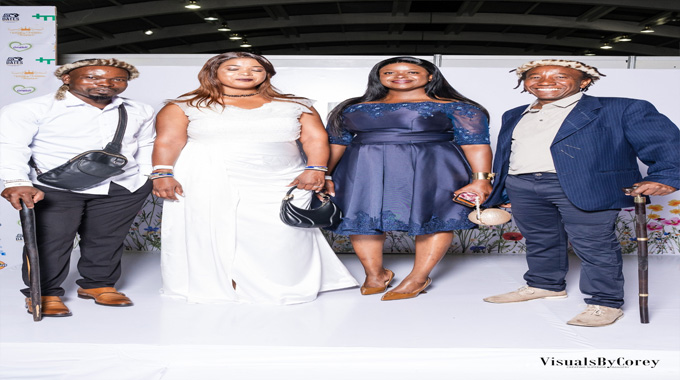
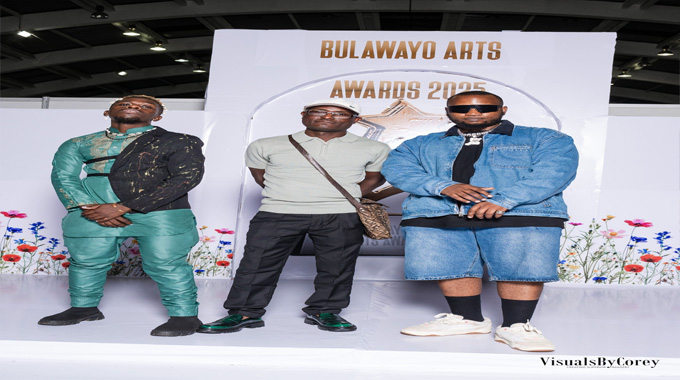
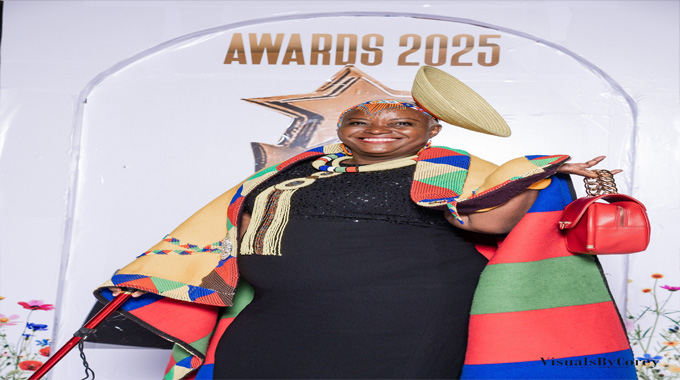
In a significant leap forward, the official photographers delivered an exemplary service. Edited red carpet photos were available online before midnight, with main event photos following promptly. This professionalism deserves significant praise (“their flowers”) and sets a new benchmark for Bulawayo.
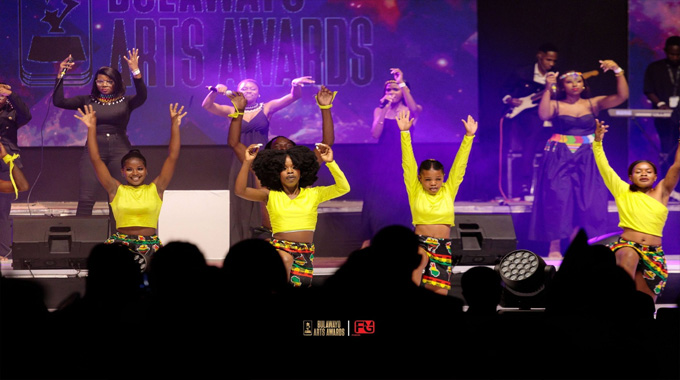
Food and beverage stalls functioned effectively, providing necessary refreshments during the extended wait. A clear operational win was the smooth entrance system; the deployment of turnstiles and digital ticket scanning modernised the process, minimising queues and aligning the BAAs with contemporary international standards.
The physical segregation between VIP and General Access areas proved excessive. Long barricades fostered an uncomfortable “them and us” atmosphere, undermining the communal celebration. Furthermore, the stage was too low for those in general access, leading to attendees standing and obstructing the view for others. Elevated staging and reconsidered barrier placement are crucial for an equitable experience.
Strategic imperatives for future growth
For the Bulawayo Arts Awards to grow into the regional cultural institution it aspires to be, several strategic adjustments are no longer optional. The first is discipline on stage. Allowing winners unlimited time at the microphone may feel generous, but it is a sure way to lose rhythm and derail the programme. Clear, enforced speaking limits of between 45 and 60 seconds, supported by visible timers, are essential to maintaining momentum and respecting both the audience and the production schedule.
Equally pressing is the need to revive the organisation’s digital heartbeat. In the critical weeks leading up to the ceremony, the BAA’s social media presence was notably dormant, blunting anticipation and deepening public scepticism after previous postponements.
A consistent, engaging online strategy is no longer a luxury; it is central to audience trust. Regular updates, behind‑the‑scenes content and clear communication would not only rebuild excitement but also reinforce confidence in the event’s reliability.
The People’s Choice Award, meanwhile, continues to sit under a cloud of doubt. Its credibility is undermined by a voting process that remains opaque and vulnerable to manipulation. The current paper‑based system offers no effective safeguards against repeat voting and is easily exploited.
If the award is to retain meaning, the process must evolve towards a secure digital system tied to verified ticketing, or at the very least a tightly controlled physical ballot system reinforced by measures such as indelible ink.
In the end, the BAAs 2025 emerged as a night defined by contradiction. It delivered on its most vital promise: placing exceptional local talent on a striking stage. Oliver Keith’s assured command of the red carpet and Lady Tshawe’s vocal authority stood out as moments of undeniable class.
Yet these successes were dulled by missteps that were both foreseeable and preventable, particularly around punctuality, preparedness and audience movement.