

 admin
admin
Fairness Moyana in Hwange
VILLAGERS and stakeholders in Hwange District have called for a permanent solution to the Deka River pollution which has led to environmental degradation, and loss of aquatic life, livestock and source of livelihoods.
The pollution of the river has become a perennial problem that has been dragging on for years with authorities grappling to find a lasting solution.
Villagers affected by the pollution said the efforts being undertaken by authorities such as the Environmental Management Authority (EMA) didn’t resonate with the impacts they were subjected to.
Speaking during an environmental indaba organised by Zimbabwe Christian Alliance (ZCA) recently, some of the villagers accused culprits responsible for the pollution of the river of taking a casual approach in tackling the matter.
“The companies are polluting, but doing little to contain the problem. A lot of fish and livestock have been lost due to pollution.
This cannot be allowed to continue because the environment and livelihoods have been impacted by this pollution,” said Elliot Ndlovu, a villager.
“What is actually saddening is that communities have been complaining about this for years, but it’s falling on deaf ears as the problem persists. We want a permanent solution to the Deka River pollution.”
Another villager, Ms Cecilia Zulu from Mashala area, said she had lost more than 10 cattle due to the polluted Deka River water.
“We have lost fish and livestock which drink from the river. Cattle and goats have suffered miscarriages as a result of drinking polluted water. Our livelihoods have also been affected as a result of the pollution,” she said.
“As women, we used to derive our income from the river. We would get fish for domestic consumption and business as well as material for our basketry project. We were able to sustain our families but that economic gap was destroyed.”
EMA district environment officer, Mr Notani Ndlovu said the authority conducts regular ambient monitoring of the river to get source of pollution.
“We have been collecting samples along strategic points of the Deka River for us to determine the state of the water. It is important to note that we do that to pick up the source of pollution and act from there and this is part of the ambient monitoring that we do,” he said
Mr Ndlovu said since Deka doesn’t flow all year round, the bulk of the water is effluent from mining activities and sewer systems.
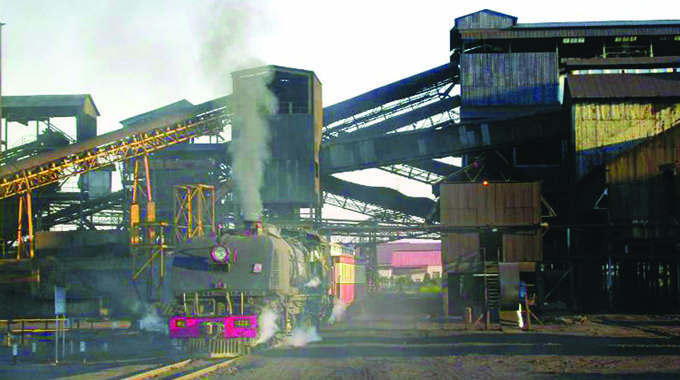
He said they have fined some companies for discharging untreated effluent.
Mr Ndlovu said it is the responsibility of companies to test and monitor the state of the water.
He said while the effluent is contributing to the pollution of the Deka River, the major pollutant was acid mine drainage (AMD) from old underground mining.
“As EMA we have done research and concluded that our biggest problem is AMD. Manganese is associated with this phenomenon and we have tried to engage Hwange Colliery Company Limited (HCCL) and other companies to deal with the issue,” said Mr Ndlovu.
“There must be a proper treatment plant. Manganese is a heavy metal that dissolves in water making it acidic.”
HCCL safety, health, environment and quality manager, Mr Butholezwe Dube said the company is seized with finding a permanent solution to the AMD issue. He said plans to engage international engineering consultants are at an advanced stage.
“We are aware and acknowledge that AMD from some of our old underground mines is flowing into the Deka River. Water has filled up in the tunnels and the pressure results in some of the water escaping through burst exploration boreholes or crevices,” he said.

“We have tried to plug them, but somehow the water finds another way out. So this is a legacy issue dating back to 73 years ago.”
Mr Dube said as a temporary measure, they are treating effluent using lime and artificial wetlands to reduce acidity.
“Colliery is engaging with engineering companies as part of efforts to come up with a treatment plant. This plant will assist in bringing a permanent solution to the issue of Deka so discussions are at an advanced stage,” he said.
“It’s important to remember that at the time the company started mining there were no EIAs then which means all this was not factored into consideration. However, I’m glad to report that in terms of active mining, we are complying as a company.”
Mr Dube said they have treatment ponds from where they place lime and wetlands to treat the water before it reaches major streams.
He said the company had drilled three boreholes in Kasase, Makwa and Chachachunda as part of efforts to assist affected communities with alternative sources of water.
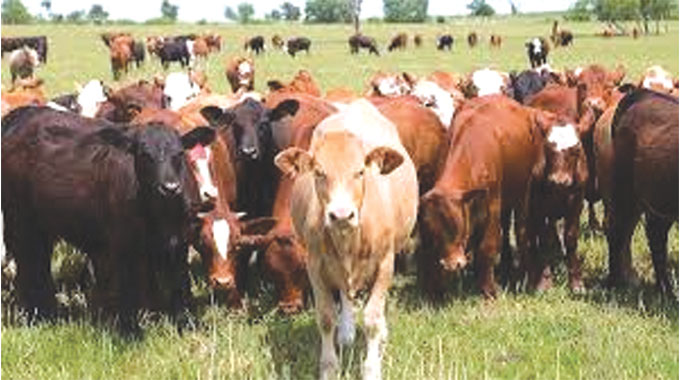
During the meeting, the district veterinary services officer, Dr Lovemore Dube said: “Yes, while there have been such reports of livestock dying, it’s difficult to conclude that it’s as a result of the polluted water. I think there is a need for more research in that area to come up with conclusive evidence. There could be other cattle diseases at play.”
Organisations that discharge their effluent into Deka River include HCCL, Zimbabwe Power Company, Hwange Local Board and Hwange Rural District Council and Galpex Company, which was recently fined by EMA for discharging untreated effluent directly into streams that feed into Deka River.
Villagers from the worst affected areas of Chachachunda, Makuyu, Zvabo and Mashala said they feared for their health as some continued to drink from the contaminated river which is their only source of water.
“People from Makuyu-Zvabo areas have no boreholes or reliable alternative source of water hence rely on the polluted Deka River. We are at risk of getting waterborne diseases, especially our children are at higher risk of health,” said a local villager.
Some women said their reproductive health is also being affected as a result of using water from the river for bathing.
ZCA director, Reverend Useni Sibanda said the meeting was part of a project the organisation is implementing to capacitate locals in decision-making.
“The project is yielding positive results as communities have been engaging companies where we are now seeing three boreholes being drilled in those areas. The community has been able to engage companies to create an accountability system where they monitor progress on what would have been agreed on,” he said.


 Blessing Chizhande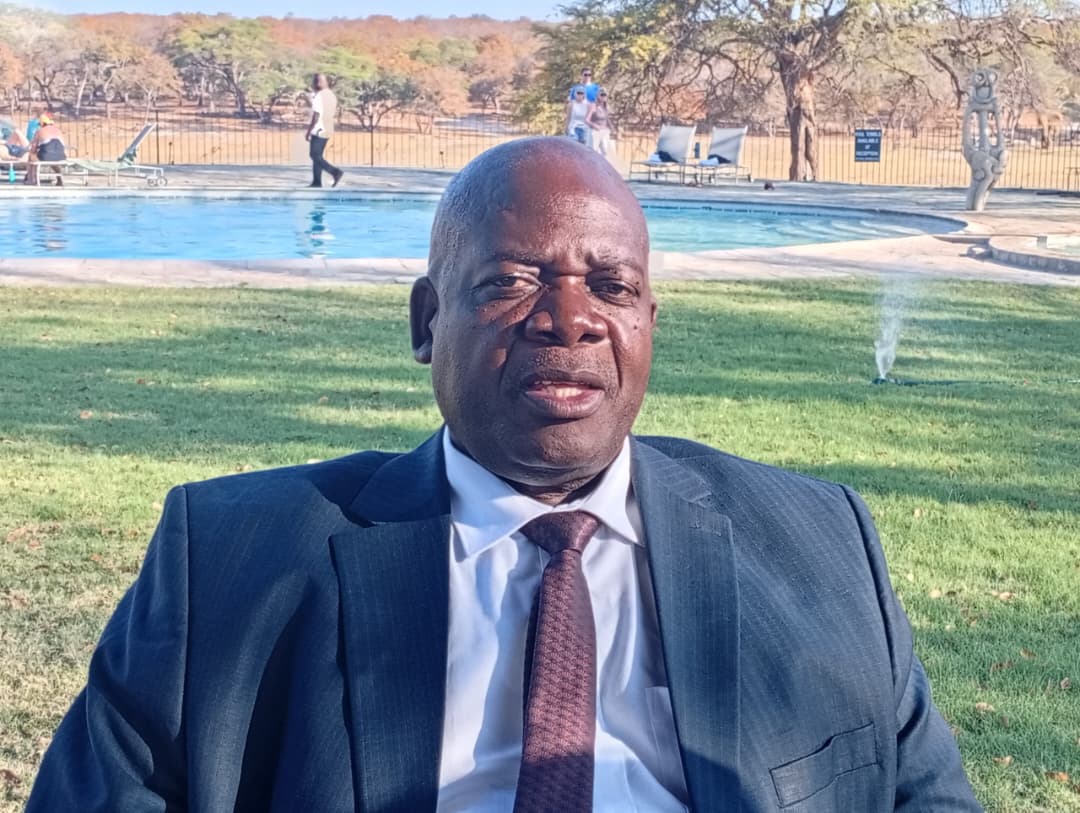
 Online Reporter