Online Reporter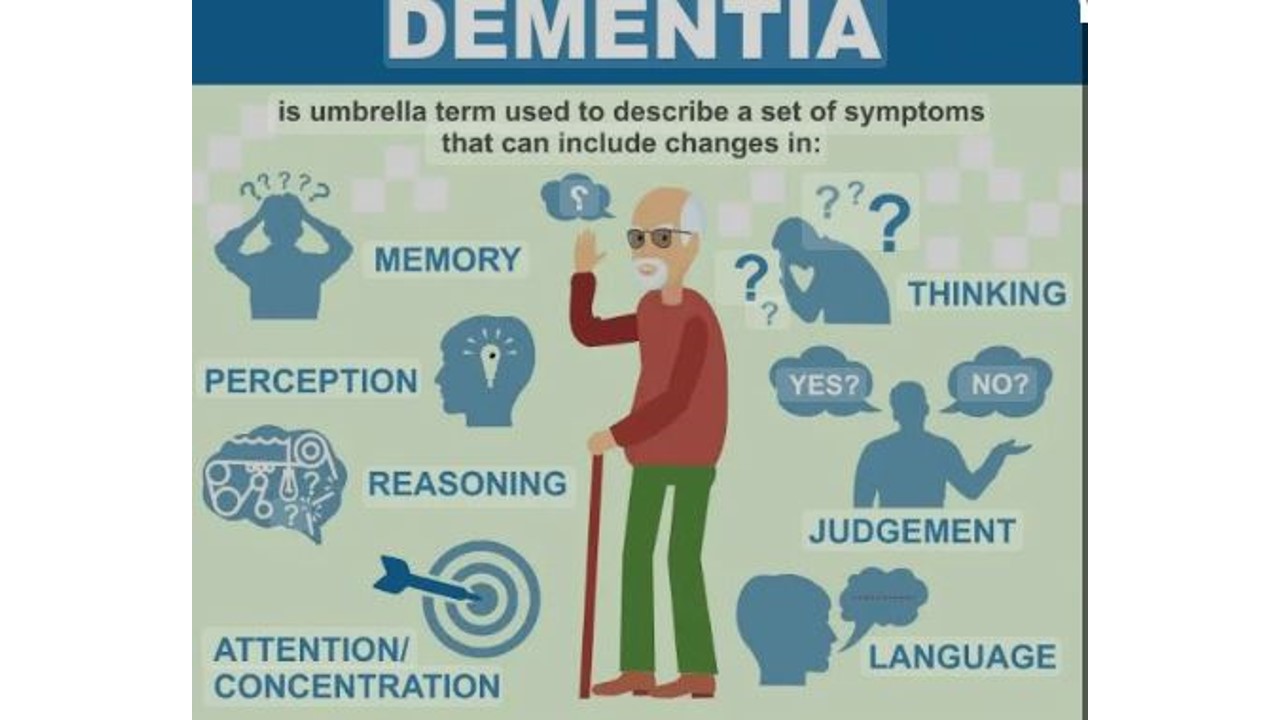
Sidumisile Mabena
Zimbabwe is experiencing a rising number of dementia cases, a progressive neurological disorder that affects memory, thinking, and behavior in older adults.
According to the World Health Organization (WHO), dementia affects around 55 million people globally, with nearly 10 million new cases every year. In Zimbabwe, particularly in rural communities, dementia is increasingly becoming a public health concern, yet it remains widely misunderstood.
Traditional beliefs frequently misinterpret the symptoms of dementia as witchcraft, leading to harmful social stigma and mistreatment of the elderly.
Dementia’s symptoms, such as memory loss, confusion, disorientation, and changes in personality, can be alarming to communities unfamiliar with the condition. In many rural areas of Zimbabwe, elderly individuals suffering from dementia are sometimes found wandering, disoriented, and even naked or half-dressed in neighbors’ yards. Instead of receiving medical support, these vulnerable people are often accused of witchcraft—a label that carries severe social consequences.
Fear and superstition can result in immediate and violent reactions, including physical assaults by community members who believe they are protecting themselves from malevolent forces.
Medical research underscores the need to distinguish dementia from cultural myths.
A 2021 study published in the African Journal of Primary Health Care and Family Medicine highlights that lack of awareness, inadequate healthcare infrastructure, and deep-rooted cultural beliefs contribute to the misdiagnosis and mistreatment of dementia patients in sub-Saharan Africa. The study calls for community education programs to improve understanding of dementia and reduce stigma.
A troubling case reflecting these issues occurred in recent years in Masendu village, Plumtree, Matabeleland South. Laizah Moyo, an elderly woman with a known diagnosis of dementia, was found naked in a neighbor’s yard.
Despite her family’s efforts to care for her and explain her condition, the community quickly branded her a witch. This labeling alienated Laizah and subjected her to social exclusion and verbal abuse, illustrating the devastating consequences of conflating medical conditions with supernatural beliefs.
This is not just an isolated case in the country but numerous others have taken place, especially in the rural areas.
Dr Ngwende, a neurologist working with rural health initiatives in Zimbabwe, emphasizes the urgent need for change: “Dementia is a medical condition that requires compassion, care, and medical intervention. When communities interpret these symptoms through the lens of witchcraft, it not only endangers the lives of our elders but also prevents families from seeking proper healthcare.”
Efforts to address this challenge are emerging. Non-governmental organisations and health ministries are increasingly focusing on dementia awareness campaigns, training healthcare workers, and integrating dementia care into primary health services. Yet, the gap between medical knowledge and cultural perceptions remains wide.
As Zimbabwe continues to face an aging population, the importance of dispelling myths around dementia grows ever more critical.
Educating communities on the realities of dementia can help protect vulnerable individuals, promote dignity for the elderly, and foster compassionate support systems rather than fear-driven persecution. By bridging medical understanding and cultural sensitivity, Zimbabwe can take significant steps toward safeguarding its aging citizens from both illness and societal harm.