admin
admin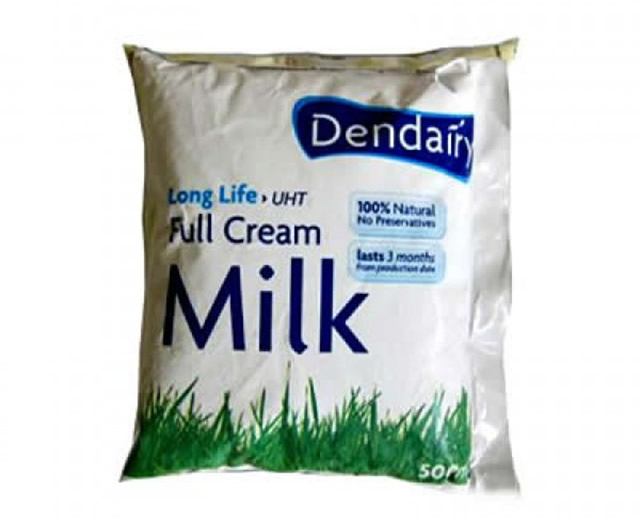
Tinashe Makichi : Business Reporter
Local dairy firm, Dendairy Private Limited has commissioned its $10 million Kwekwe manufacturing plant. The manufacturing plant was commissioned during an industry visit organised by the Confederation of Zimbabwe Industries, with the Vice President Emmerson Mnangagwa officially opening the plant. The plant will see the dairy manufacturing concern increase milk production to five million litres a month against a national demand of eight million litres per month.
In an interview yesterday, Dendairy director Daryl Archibald said the Kwekwe plant had finally been commissioned.
“An investment of about $10 million was made towards setting up the Kwekwe manufacturing plant. There was a delay in terms of commissioning the plant as we faced some challenges with regards production. But beginning February this year our production has been impressive. We have also managed to set up a bigger warehouse at the Kwekwe plant to handle our production levels at the moment,” said Mr Archibald.
He said there is an opportunity for the company to start exports on condition that they successfully get the manufacturers rebate as there is up to 15 cents of duty per litre produced emanating from duty and surtax on the packaging and ingredients they import.
Mr Archibald said if this is reclaimable along with the five percent exporter’s incentive the dairy company will be competitive on certain value added lines.
Dendairy is currently operating at 60 percent capacity making it one of the most viable dairy companies in the country at the moment.
Mr Archibald however called for the adoption of hybrid models in the local agricultural industry.
He said local production has grown to five million litres from 3,5 million litres a month since 2009 but processors are still getting restricted allocation for cheaper milk powder based on their local fresh milk production (which must be about 50 percent local procurement).
“If you take away access to cheap imported raw materials (less than 35 percent of total cost) local processors cannot utilise their factories or compete with smuggled goods. Going forward as fresh milk continues to grow less and less milk powder will be required to efficiently utilise factories.
“For example the bread industry currently relies solely on imported wheat and flour with no incentive for the millers or bakers to produce expensive local wheat to get access to cheap imported flour, if the hybrid system is applied fairly then all millers will need to procure a certain tonnage of local product to get an allocation of finished flour which only they can get, then bakers will have the option of both from the millers” said Mr Archibald.



 Online Reporter