admin
admin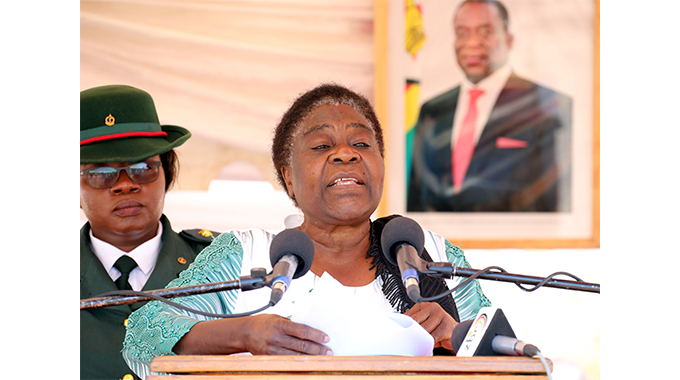
Chronicle Writers
FOR the past 30 years, Mrs Register Mkandla has been participating in Heroes’ Day commemorations in Bulawayo following the death of her husband Cde Arthur Mkandla, a former liberation fighter in 1993.
By then, she would drag along her two minor children, who little understood why this day was so important to their mother. The children continued visiting the Provincial Heroes’ Acre in Nkulumane until they also understood the significance of the day.
It is no longer Mrs Mkandla and her children alone who religiously commemorate the day but thousands of people including friends, close family, and relatives of all ages throng the Heroes’ Acre to honour the men and women who sacrificed their lives for Zimbabwe to gain its independence from ruthless colonial masters. The day is so dear to Mrs Mkandla and multitudes of families as it keeps the memory of the country’s liberators alive.
Yesterday, provincial shrives in the Matabeleland region, the Midlands, and other parts of the country were a hive of activity with the Government availing buses to ferry widows of some of the late liberation heroes.
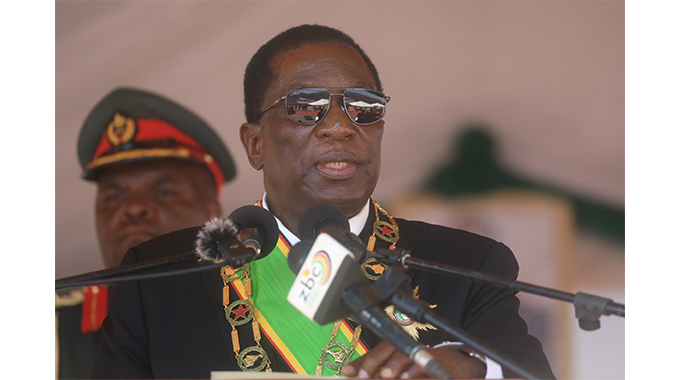
This year’s event was held under the theme: “Remembering our Heroes: Nyika Inovakwa Nevene Vayo/Ilizwe Lakhiwa Ngabanikazi Balo”. President Mnangagwa headlined the main event at the National Heroes’ Acre in Harare where two national heroes, Cde Johannes Tomana and Brigadier General (Retired) Milton Siziba, were laid to rest.
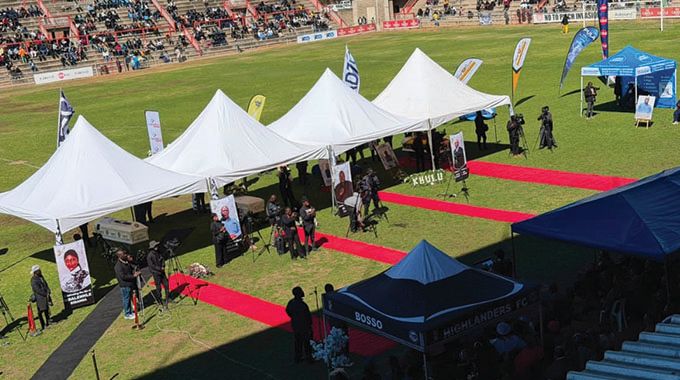
A total of 1 035 liberation war icons are buried at the Bulawayo Provincial Heroes Acre in Nkulumane where most of their families came to lay wreaths and mingled with senior Government leaders and fellow surviving cadres.
Bulawayo Provincial Affairs and Devolution Minister Judith Ncube led the official proceedings starting with the inspection of the quarter guard before the singing of the national anthem near the Tomb of the Unknown Soldier.
Minister Ncube was accompanied by service chiefs and read President Mnangagwa’s speech before laying a wreath on the Tomb of the Unknown Soldier.
Service chiefs and Zanu-PF provincial chairperson Cde Jabulani Sibanda also laid their wreaths. Thereafter, the minister visited the graves of the departed liberation fighters and interacted with family members. In her remarks, she commended the public for coming in their numbers to celebrate the national event.
“We are proud that so many people have come today to commemorate the lives of our national heroes. This is an important, historic day in our country,” she said.
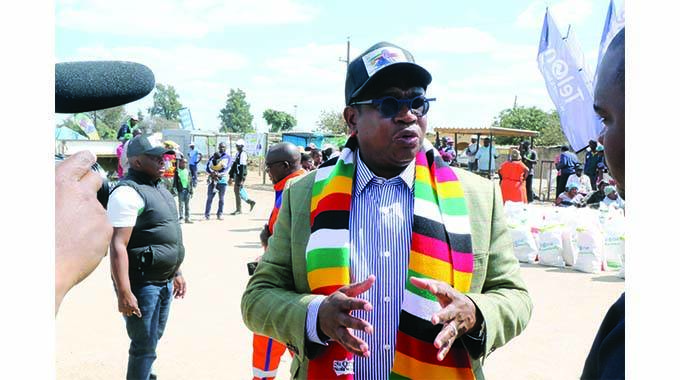
Also present was Finance and Economic Development Minister Professor Mthuli Ncube who said while the Heroes’ Day commemorations might bring mixed emotions, it is a day that every citizen should celebrate.
“It’s a day that should not be filled with mourning. It’s a day we should celebrate because we are remembering our heroes. If it wasn’t because of their sacrifices, we would not even be here,” said Prof Ncube.
He said the National Museum and Monuments of Zimbabwe should seek budgetary allocations so that Government can attend to some of the graves that need to be installed with tombstones.
Bulawayo Town Clerk Mr Christopher Dube, also a war veteran, said Heroes’ Day was a time for reflection, especially for those who participated in the armed struggle.
“The Heroes’ Day commemorations remind us of so many things. The protracted liberation struggle was not easy and when you recount where you passed through, it’s now 43 years after independence but others died before independence,” he said.
“Sometimes, it makes you reflect and shed a tear sensing the grace that you have received to live this long. It’s unfortunate that as war veterans we have become divided post-independence,” said Mr Dube.
He said young people should lead the struggle for economic independence while fighting the neocolonialism agenda.
Among those who thronged the provincial heroes’ acre, was Brighton Moyo (32), son to the late Anderson Moyo, who was a liberation fighter and died in 2007.
“I came alone because some of our family members are out of town. But it’s important to come here and pay respects not just to my father but to other liberation heroes who are buried here,” he said.
In an interview, Mrs Mkandla said she now commemorates Heroes’ Day with her in-laws as well as grandchildren, which shows the cross-generational impact of the legacy left by former freedom fighters. Despite the number of widows and families of former liberation fighters increasing, she said the Government should be commended for making an effort to ensure their needs are met.
“So, we are not just coming to remember my husband alone but other heroes and heroines that fought to liberate the country,” she said.
“My husband was the seventh person to be buried here and then Government would release a car to come and pick us up from home. But now it is providing buses to pick us up at pick-up points. That is why we are still able to come here.”
Her son Mr Prince Thamsanqa Mkandla said he started to understand the importance of cherishing the Heroes’ Day commemorations in 1995.
“This is a reminder to us that there are people who sacrificed for the country’s liberation. This is an important day. The lesson I’m giving to my children is that we need to cherish this day,” he said.
In Matabeleland South Province hundreds of people gathered at the provincial shrine in Gwanda where they interacted with service chiefs, political leaders, traditional leaders, and senior Government officials.
Minister of State for Matabeleland South Provincial Affairs and Devolution, Cde Abedinico Ncube, led the official proceedings and read the President’s speech before laying a wreath on the Tomb of the Unknown Soldier. Service chiefs and representatives of war veterans also followed suit.
Later Cde Ncube visited all 39 graves of the fallen cadres and laid flowers on the grave of his wife Cde Tracy Ncube who died in 2017. Cde Ncube also took time to pay his respects to families of the fallen heroes.
Different families expressed their gratitude for the honour given to their fallen relatives each year.
“As a family, we appreciate the honour given to our relatives who were part of the liberation struggle. My uncle is buried here and I’m glad that he is one of the fallen heroes we celebrate each year,” said Ms Nomsa Nyathi.
Similar proceedings were conducted in Matabeleland North Province where Provincial Affairs and Devolution Minister, Cde Richard Moyo, presided over the official proceedings in the provincial capital, Lupane.
In the Midlands province, Heroes Day commemorations began in earnest at around 9am at the new-look provincial shrine, which has been undergoing refurbishment to give respect to the 248 gallant sons and daughters interred there since its opening in 1986.
There are 31 heroines and 217 heroes interred at the shrine. Scores of people, including senior politicians, service chiefs, and senior Government officials attended the event. Minister of State for Midlands Provincial Affairs and Devolution, Larry Mavima, read President Mnangagwa’s speech around 11am.
In Shurugwi District it was a Heroes’ Day with a difference after a local company, River Valley Group, organised a live band to perform at the District Heroes’ Acre.
The company, which also runs a mine in Shurugwi provided lunch for over 1 000 locals that gathered at the heroes’ acre. River Valley Group has also prepared 100 food hampers to be distributed among the widows and widowers of the liberation stalwarts from the Shurugwi district.


 Online Reporter