

 Online Reporter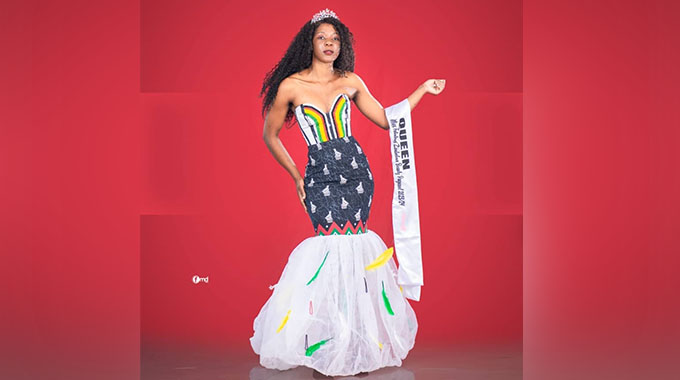
Sipepisiwe Moyo, Zimpapers Arts and Entertainment Hub
AS Zimbabwe continues its month-long Culture Month celebrations, this week casts a spotlight on the rich and vibrant world of indigenous fashion during “Indigenous Fashion Week”.
This themed week, a key feature of the national Culture Month festivities, seeks to promote the wearing of the national fabric and other traditional attire that proudly reflects the country’s identity.
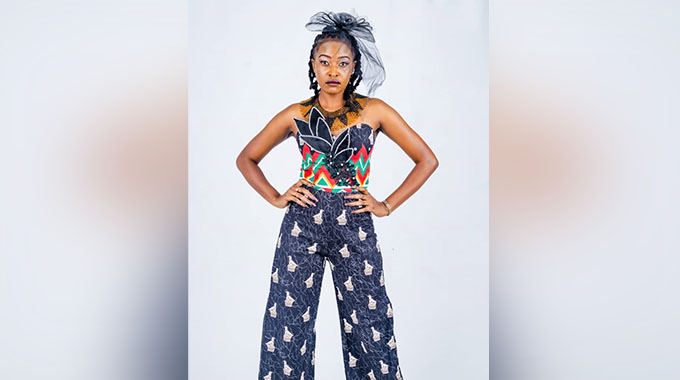
Schools, companies, and individuals are being encouraged to celebrate local fashion by donning indigenous designs, with initiatives such as “Best Dressed” competitions introduced to inspire creativity and cultural expression.
“During this period, schools and employers should contribute to cultural promotion by setting aside a day to highlight indigenous fashion, and creatively devise ways to reward the best-dressed individuals.
In communities, churches may also dedicate a Saturday or Sunday to African attire and recognise the best-dressed individuals, couples, or families to spark interest and enthusiasm,” the National Arts Council of Zimbabwe (NACZ) said in a statement.
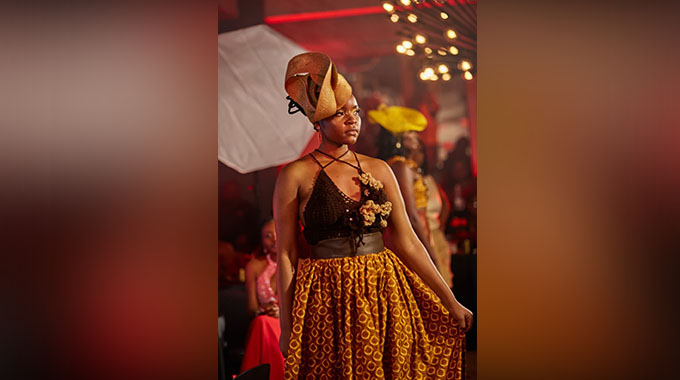
In Bulawayo, local fashion designers are rising to the occasion, blending style and heritage into captivating, wearable art. Among them is Noliwe Mhlophe, a celebrated designer renowned for her Afrocentric style and dedication to showcasing African identity through fashion.
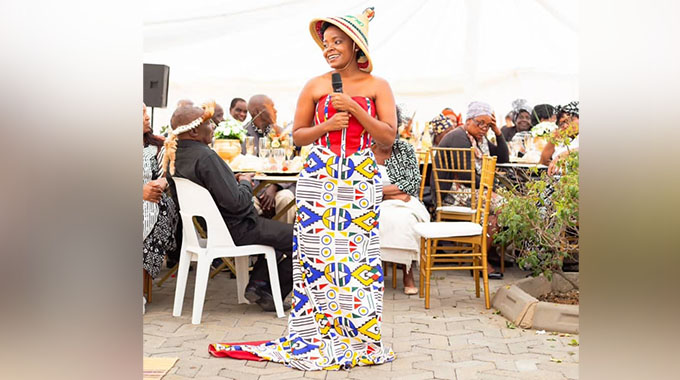
Speaking about her inspiration, Mhlophe shared that her designs are deeply influenced by African art, cuisine, and nature. One of her stand-out creations, the dress Umnyi, featured in her 2024 collection Izithelo Zeganga (Wild Fruits), was showcased during the Edgars Fashion Extravaganza in Harare.
“Umnyi was inspired by the earthy tones and forms of indigenous fruits like umviyo, umkhemeswane, and umsawa.
The dress featured handmade bead-work and was paired with a fascinator shaped like tree branches, giving it a distinctly indigenous essence,” she said.
She said that she has worked extensively with the national fabric, from runway costumes to bespoke pieces for city officials.
“I’ve dressed several models and dignitaries in the national fabric, including during its launch hosted by the First Lady at State House. Weeks like Indigenous Fashion Week help us reach new audiences and preserve cultural heritage through fashion,” Mhlophe added.
Welsh the Stylist, another creative force known for his vintage-inspired, heritage-rooted designs, also reflected on the evolving journey of the national fabric.
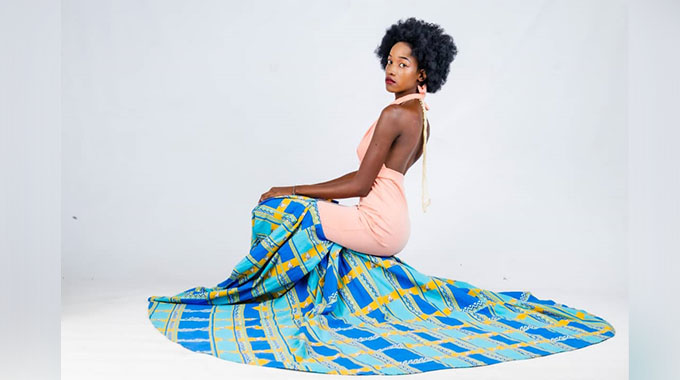
“At first, people were hesitant to wear it, mistaking it for political regalia. But with outreach and education, more people are warming to it. Fashion tells our African story — how we lived, what we wore, and how we expressed royalty.”
Welsh’s signature style features vintage silhouettes infused with African elements such as walking sticks, traditional hats, and bead-work, especially in wedding attire like lobola costumes inspired by ethnic groups such as the Ndebele, Xhosa, and Zulu.
“The celebration of Indigenous Fashion Week is not merely about dressing up — it’s about reclaiming our voice and embracing our roots. Fashion becomes a visual narrative of our history and identity,” he said.
Meanwhile, schools across the country have joined the celebrations by hosting cultural days, where learners parade traditional outfits and explore the significance of indigenous attire.
The Ministry of Primary and Secondary Education has endorsed the initiative, encouraging schools to use the opportunity to foster cultural pride and inclusivity among pupils.
The Ministry of Sport, Recreation, Arts and Culture has also embraced the commemorations, with staff wearing national dress fabric and African prints as a bold expression of cultural pride and identity.
This year’s main national Culture Month celebration is scheduled for 22 May at Rusununguko Clinic Open Grounds under Chief Tsovani in Chiredzi, Masvingo Province. The festivities will conclude with “Indigenous Languages and Cultural Dialogue Week,” which will celebrate the richness of Zimbabwe’s linguistic and ethnic diversity.



 Blessing Chizhande