admin
admin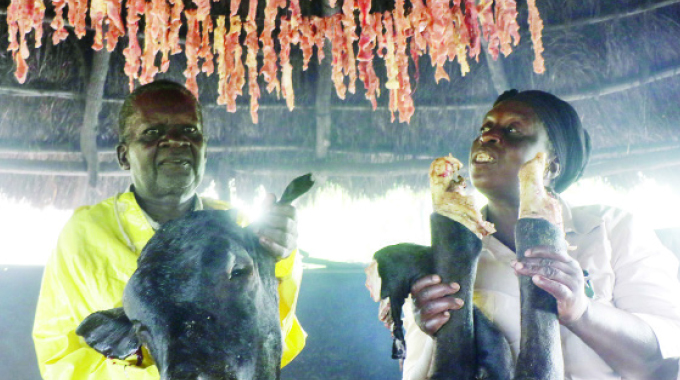
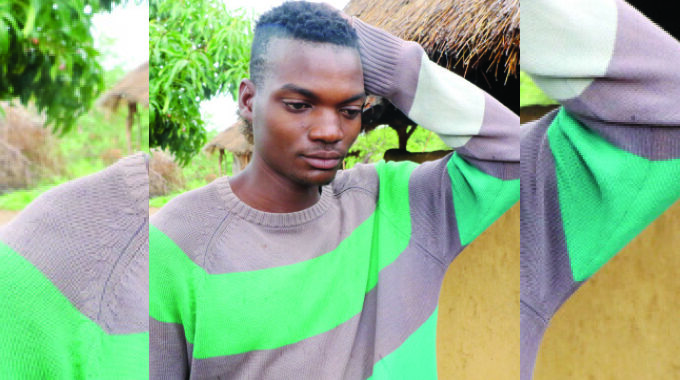
TWO days after chasing away a lion from the carcass of an ox it was feasting on, Dingubuhle Chirongoma, from Dete in Hwange District still can’t believe he summoned enough courage to scare off the big cat that could have devoured him had it decided to fight back to protect its meal.
Such stories are common at Magoli Village, Ward 15, Dete and other communities closer to the Hwange National Park, which endures perennial attacks from wild animals.
Like other parts of the Matabeleland region and Zimbabwe at large, cattle are a symbol of wealth and losing one beast to a predator like a lion is a serious matter of concern.
Magoli Villagers and their neighbours in Dingani, Chezhou and Sialwindi have been battling growing cases of human-wildlife conflict, particularly incidents of lions attacking livestock in recent months.
“I was herding cattle with my uncle (the owner of the herd Abiot Ncube) but at that time he had gone home to get some lunch, I suddenly heard growling sounds coming from behind some thick bushes. At first, I thought it was just dogs fighting over a bone,” said Chirongoma.
He said when he went to investigate he saw a huge lion feasting on one of their cattle.
“I screamed very loudly and that must have scared the lion because it jumped from its meal, looked at me and moved away. It all happened so fast and by the time it dawned on me that I had scared off a lion, I ran in the direction of our village,” said Chirongoma.
Along the way, he said he met his uncle Ncube and narrated the horrifying ordeal of the lion that could have killed him as well.
Afraid that the lion might have changed its mind and returned to finish its meal, the pair proceeded to the village, armed themselves with axes and went back to the grazing lands to round up the rest of the herd.
“We had no intention of going back to the same place where I had spotted the lion but to round up the rest of the cattle and go home but other villagers who had heard about what I saw quickly joined us and helped us check the area but the lion was nowhere to be seen,” said Chirongoma.
The lion had devoured all the intestines and a significant chunk of the beast.
The news crew was shown what was left of the carcass, which Mrs Annacletta Ndlovu, wife to Mr Ncube, had cut into strips of meat to preserve as biltong in the family’s kitchen hut. The head and hooves were still relatively fresh showing that the killed beast was a huge animal, a source of draught power.
“The ox that was killed by the lion was one of the two we used for draught power and we have no idea how we will continue tilling the land now that the rainy season has started. We have lost four cattle in the last five years and a lot of our neighbours have also lost cattle to these lions that escape from the national park,” lamented Mr Ndlovu.
Mr Chingoroma’s confrontation with a lion is one of the many cases of human-wildlife conflict that have been reported in the village according to village head Mr Innocent Bitu.
“We are faced with a very serious problem. We are losing our livestock on a weekly basis, the lion that attacked Ncube’s ox will most likely come back, it’s hungry. We have engaged rangers from the national park who from time to time come and capture the lions and take them back to the national park but the problem doesn’t go away for long,” said Mr Bitu.
Lions are believed to feed every three or four days but can go without food for more than a week and when they kill prey, eat up to 50kg of meat at a time — that’s almost a quarter of the animal’s body weight.
The Victoria Falls Wildlife Trust, a conservation group operating in Hwange West said 159 cattle were killed by lions between 2020 and 2021.
Villagers at Magoli are not alone. For years, communities that stay in wildlife-rich areas in Zimbabwe have been having problems with wild animals that encroach into their villages in search of food and water.
Another villager, Mr Justin Tshuma said his 12-year-old niece was attacked and killed by a lion that had been hiding under a bushy area near their homestead more than a year ago.
“She was attacked by the lion early in the morning when she had gone to our neighbour to ask for a box of matches. The lion must have been hiding in the bushes next to a maize field that separates us and our neighbour,” he said.
Mr Tshuma said after the attack, they rushed her niece to the clinic in a scotch cart but she died in an ambulance on her way to Hwange Hospital.
In 2022, Zimbabwe set up the Human-Wildlife Conflict Relief Fund to fund the treatment and burial expenses for victims of human-wildlife conflicts after the Government noted with concern the high number of people losing their lives due to attacks by wild animals.
Authorities have noted that competition for limited resources often results in wild animals killing people, especially in communal areas and towns that are close to national parks, safari areas and forests as well as other protected areas.
Food security for communities has also come under serious threat as wild animals destroy crops in the fields.
According to ZimParks, more than 80 people were killed by wild animals in 2021 alone while hundreds were injured.
Zimbabwe has the highest human-wildlife conflict death rate in the Southern Africa region.
Villagers are also to blame according to a ZimParks ranger who spoke to the news crew at the Dete Centre as they allegedly steal fencing that should prevent wild animals from escaping protected areas such as national parks.
“We were called to the Magoli Village after a male lion we suspect to be named ‘Furious’ escaped from the national park and we are still tracking it.
“The problem is that villages steal the national park fence, making it easier for wild animals to leave the park,” said the ranger who asked not to be named. – The Chronicle



 Online Reporter