admin
admin
Sikhumbuzo Moyo, Senior Reporter
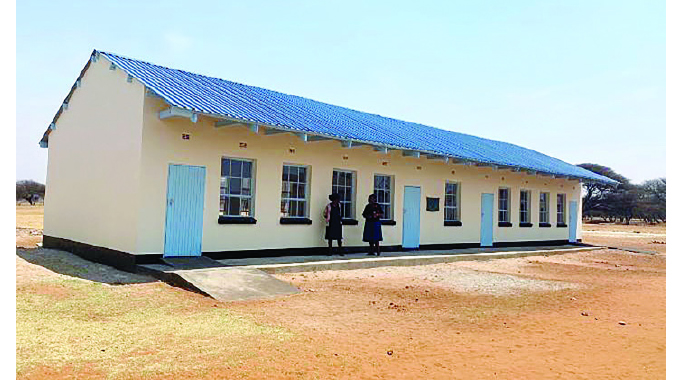
TSHOLOTSHO Rural District Council has refurbished three clinics and two primary schools and is planning to rehabilitate its bus rank using devolution funds.
The district, whose population is 113 265, according to the 2022 ZimStat, has also managed to purchase a brand new grader engine for $15 million and a tractor for $19 million from the $84, 1 million in devolution funds it received in 2022.
Government identified devolution as a key pillar for the country to achieve an upper middle-income economy status by 2030.
The framework for devolution is enshrined in Section 264 of the Constitution of Zimbabwe and other subsidiary legislation.
Tsholotsho RDC chief executive officer Mr Nkululeko Sibanda said construction work at Jowa clinic was 95 percent with outstanding work being the sewer system which should be completed soon. A staff cottage at the health facility is now ready for occupation. A classroom block at Jimila Primary School had its roof installed while a new classroom block with two classes was constructed at Sipepa Primary School with the assistance of the Zimbabwe Defence Forces as part of its community assistance programmes.
“Manqe and Inala clinics are 50 percent and 85 percent complete respectively. Kindly note that we have projects that we wish to embark on such as Tsholotsho business centre’s drainage system, the rehabilitation of the taxi rank. Borehole drilling will continue as a means of alleviating water challenges within communities as part of the broader national vision that seeks among other objectives, to turn the country into an upper-middle income economy by 2030,” said Mr Sibanda.
Other projects that council needs to prioritise as it spruces up its taxi rank will be the construction of public ablution facilities as absence of such key facilities has seen travelers resorting to the nearby bush to relieve themselves, in the process raising chances of disease outbreaks as well as polluting the environment.
The implementation of the devolution objectives began with the coming in of the Second Republic under President Mnangagwa when funds were disbursed to augment those monies that local authorities raise for infrastructural development.
This year treasury allocated $195,5 billion up from $16,7 billion last year for devolution projects with councils sharing the amount equally.
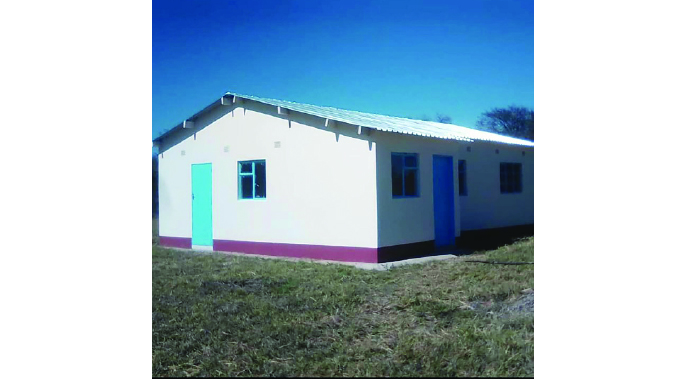
It has transformed several districts, including those that were previously said to be marginalized in Matabeleland region and the rest of the country in general as the Second Republic walks the talk on its leaving no one and no place behind philosophy. Government believes the devolution agenda is a key pillar of developing vibrant provincial economies and rural industries as it moves to attain an upper-middle income economy by 2030.–@skhumoyo2000



 Online Reporter