Online Reporter
Zimpapers Writers
DEVOLUTION funds are redefining the country’s health delivery landscape, with new clinics rising across the country’s districts as the Second Republic accelerates its inclusive development philosophy of leaving no one and no place behind.
Championed by President Mnangagwa, the devolution agenda has become a cornerstone of the Second Republic, decentralising development and empowering local authorities to identify and implement community-driven priorities.
Under the National Development Strategy 2 (NDS2), whose implementation is from this year to 2030, the development of social amenities and infrastructure — including clinics, schools, roads and bridges — is a key priority.
In the last five years, councils across the country channelled a significant portion of devolution funds towards strengthening healthcare delivery, particularly in historically marginalised rural communities.
In Matabeleland South Province, local authorities initiated 136 projects across various sectors under the devolution programme, with several already commissioned.
Within the health sector, several clinics have been constructed, rehabilitated and equipped, bringing relief to communities that for decades travelled long distances to access medical care. Several other health facilities are still under construction.
Among the flagship projects is Izimnyama Clinic in Mangwe District, a long-awaited facility that remained a pipe dream for nearly 70 years and now serves seven villages.
Two weeks ago, Vice President Dr Kembo Mohadi commissioned Nyabane Clinic in Bulilima District, a project delivered through a partnership involving the Nyabane community, Bulilima Rural District Council, using devolution funds, and the Church of Jesus Christ of Latter-day Saints, which contributed about US$300,000.
In Insiza District, the construction of Montrose Clinic has eased the burden on villagers from the ward who previously walked up to 45 kilometres to reach the nearest health facility.
Similarly, Mlugulu Clinic in Matobo District, built using devolution funds, has considerably reduced travel distances, with villagers previously walking 20 kilometres to access healthcare.
Other facilities developed under the devolution programme include Tshanyaugwe and Mandihongola clinics in Gwanda, Mashaba Clinic’s waiting mothers’ shelter and the Garanyemba waiting mothers’ shelter, also in Gwanda.
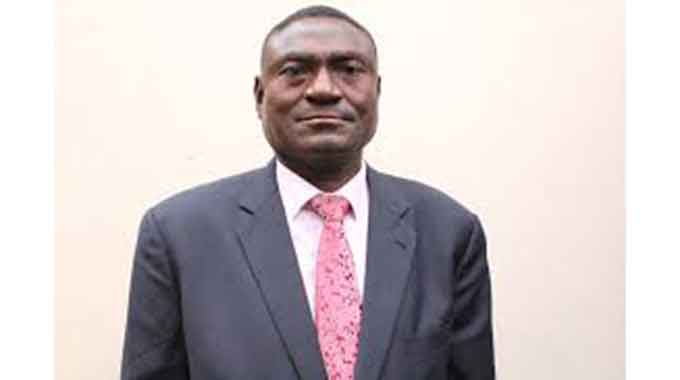
Minister of State for Matabeleland South Provincial Affairs and Devolution, Albert Nguluvhe, said devolution funds have unlocked long-stalled development projects in the province.
“The devolution funds have brought significant development across various sectors. We have seen projects that had stalled for years, including community-initiated ones, being completed,” he said.
“The health sector has recorded notable progress, bringing much relief to communities that had to walk long distances. Access to healthcare is critical in attaining Vision 2030.”
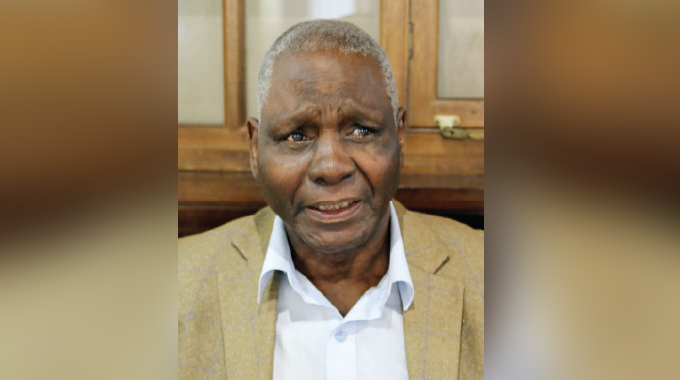
In Matabeleland North, Minister of State for Provincial Affairs and Devolution Richard Moyo said devolution funds are driving health sector development across districts such as Binga, Lupane, Tsholotsho, Umguza, Bubi, Hwange and Nkayi.
“This clearly demonstrates how devolution funds are being prudently applied to address critical gaps in our health sector. These completed projects are not just structures; they represent enhanced dignity, safety, and access to quality healthcare for our communities,” he said.
“This is devolution in action, ensuring that resources directly translate to improved livelihoods at the grassroots level. In Binga alone, a total of 16 clinic projects are at various stages of implementation.
Clinics such as Maboleni in Binga and Insuza in Umguza were developed using devolution funds.”
One other notable project is Pupu Clinic in Lupane, which has had a transformative impact on previously unserved communities.
Minister Moyo added that community participation has improved significantly, with churches and development partners complementing Government efforts.
Other completed projects include the perimeter fencing of Hwange Clinic, the construction and enhancement of facilities in Binga at Malaliya and Sinamusanga clinics and critical renovations to staff accommodation at Majiji Clinic in Bubi.
In the Midlands Province, more than 50 clinics have been constructed using devolution funds as the Second Republic walks the talk on universal health coverage.
In July last year, Minister of Health and Child Care Dr Douglas Mombeshora commissioned Mataga Mini Hospital at Mataga Growth Point in Mberengwa District, a facility that has transformed healthcare access for communities across five surrounding wards.
Other commissioned health facilities include Mapfungautsi Polyclinic (Gokwe Town Council), Chimbindi and Hwata clinics (Chirumhanzu RDC), Impala Clinic (Vungu RDC), Ganye Clinic (Gokwe South), as well as Tongogara Polyclinic and Gamwa Clinic in Shurugwi District.
Midlands Provincial Affairs and Devolution Minister Owen Ncube has said the Second Republic remains committed to strengthening health systems nationwide.
“Under the leadership of President Mnangagwa, the Government is dedicated to providing improved health services for all Zimbabweans. The Midlands Province has achieved key milestones in the health sector,” he said.
In Zvishavane, the construction of Makwasha Polyclinic is nearing completion and is expected to benefit about 4,000 residents.
The project, spearheaded by Zvishavane Town Council using devolution funds, highlights the Government’s commitment to equitable access to healthcare, particularly in mining towns and rural-urban fringe areas.
Council chairperson Councillor Takarangana Keta said the facility would ease pressure on existing health centres.
“This clinic will improve access to quality healthcare services and significantly reduce long distances previously travelled to clinics and hospitals,” he said.
Cllr Keta noted that Zvishavane had historically suffered from underinvestment despite its rich mineral base.
“The devolution agenda has assisted us greatly in implementing people-centred projects that directly address community needs,” he said.
Acting town secretary Mr Maxwell Mugandani said the programme has been transformative.
“The construction of Makwasha Polyclinic is expected to be completed by the end of this month. Devolution funds are transforming our economic and social landscape,” he said.
Mr Mugandani added that healthcare remains a key pillar of NDS2, especially as Zvishavane’s population continues to grow.
“As the town expands, devolution funds will play a critical role in enabling the local authority to meet healthcare needs,” he said.