Online Reporter
Sukulwenkosi Dube-Matutu, Matabeleland South Bureau Chief
MINISTER of State for Matabeleland South Provincial Affairs and Devolution, Albert Nguluvhe, has said sustained investment in infrastructure development is crucial to laying a solid foundation for meaningful socio-economic transformation as the country transitions to the National Development Strategy 2 (NDS2).
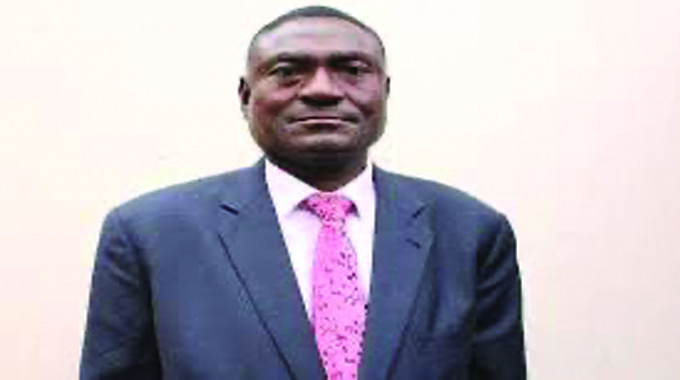
He made the remarks on Monday during the commissioning of Phakama Primary School in the Garikai/Hlalani Kuhle area of Gwanda, where a second classroom block has been completed using a combination of devolution and council funds.
Minister Nguluvhe said NDS2 takes the country further into sustainable development and structural transformation by prioritising people-centred infrastructure that directly improves livelihoods.
“This new block is not just a building; it is a sacred space and a testament to our collaborative spirit and unwavering commitment to the future of our children. It will undoubtedly transform the learning experience for learners by providing a conducive environment for growth, exploration and excellence,” he said.
Phakama Primary School previously had only one classroom block accommodating ECD B learners. The newly completed block will now house both ECD A and ECD B learners, easing congestion at neighbouring schools, including Jahunda, Senondo and St Christopher’s primary schools, whose enrolments have far exceeded their carrying capacity.
Jahunda Primary School has an enrolment of 1 865 learners, Senondo Primary has 1 708, while St Christopher’s accommodates 1 160 learners, placing considerable strain on infrastructure and learning conditions.
Construction of the school began using devolution funds, with Gwanda Municipality allocating council funds in 2024 to complete the classroom block.
Minister Nguluvhe commended the local authority for mobilising resources and complementing Government efforts.
“I would like to commend the local authority for its tireless efforts in mobilising resources and manpower to bring this vision to life, complementing the devolution allocation which contributed immensely to the construction of the first block. This partnership sends a powerful message: when we invest in our nation’s future through infrastructure development, we lay the foundation for meaningful socio-economic transformation,” he said.
The Minister said the Phakama Primary School project aligns directly with the human capital development thematic area of NDS2 — one of the 10 national priority areas aimed at propelling Zimbabwe towards upper-middle-income status by 2030.
“Education is recognised as the cornerstone of national development under NDS2. It is essential for building a skilled, innovative and competitive workforce. NDS2 emphasises improving educational infrastructure, increasing access to quality education and enhancing learning outcomes. This classroom block is a practical demonstration of these priorities in action,” he said.
Minister Nguluvhe added that by reducing overcrowding and improving teacher-to-learner ratios, the project contributes towards the Vision 2030 goal of creating an empowered and knowledgeable workforce capable of driving economic growth.
He said the project also reflects a broader call to action requiring Government, communities, parents, educators and learners to collectively own the development agenda.
“Development is not a spectator sport. It requires active participation, commitment and responsibility from all stakeholders,” said Minister Nguluvhe.
He added that there was also a need to ensure teachers are adequately resourced and supported to deliver the quality of education envisaged under NDS2.
Speaking at the same event, Gwanda Mayor, Alderman Thulani Moyo, said the construction of more schools in the Matabeleland South provincial capital was critical as existing institutions were severely overcrowded.
“We will ensure that more classroom blocks are constructed so that all grades are accommodated at the school as soon as possible. At present, the school is an annexure of Jahunda Primary, but we want it to become a stand-alone institution,” he said.
Alderman Moyo said increased school infrastructure would help ease congestion and reduce the long distances walked by learners.
The establishment of Phakama Primary School has brought relief to residents of Garikai/Hlalani Kuhle, who for years felt excluded from development initiatives.
In 2020, residents mobilised resources and each contributed US$1 towards the purchase of building materials, which were used to construct the initial classroom slab. Gwanda Municipality later intervened using devolution funds to complete construction and procure furniture.
Alderman Moyo said the construction of new schools remains a priority under the council’s five-year strategic plan, noting that high teacher-to-pupil ratios negatively affect learning outcomes.
“If the teacher-to-pupil ratio is too high, the quality of education suffers. Our goal is to reduce congestion and improve results,” he said. — @DubeMatutu