Online Reporter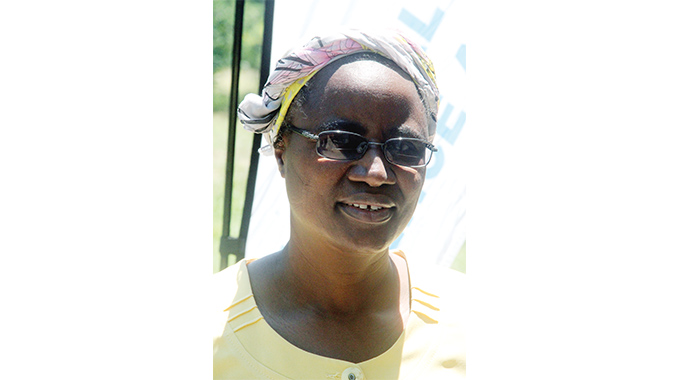
Andile Tshuma, Features Writer
Do parents ever pause to think deeply about what goes into their children’s lunch boxes, beyond just filling them?
Do they consider whether those colourful snacks and sugary drinks offer nourishment or simply satisfy cravings?
And how often do families reflect on how much physical play their children actually get, not from a place of appearance, but from a place of long-term health and wellness?
These are questions health experts say have become increasingly important in Zimbabwe, where a quiet but worrying trend is unfolding: more children are becoming overweight or obese, and many are already showing early signs of lifestyle-related diseases once associated only with adults.
Doctors say the signs are subtle at first; fatigue, a reluctance to participate in physical activities, or even frequent hunger despite constant snacking. Yet behind these symptoms, deeper risks may already be developing.
Health experts warn that today’s habits, from the contents of a lunch box to hours spent on screens, will shape the health of the next generation. And while parents often want the best for their children, the convenience of processed snacks and sugary drinks can unintentionally create long-term challenges.
Diabetologist Dr Rudo Gwini said clinicians are increasingly seeing school-going children with complications linked to excessive weight, which is concerning.
“We are seeing more children presenting with complications linked to being overweight,” she said.
“This increases their risk of developing diabetes very early. Parents need to reduce processed foods and sugary drinks and ensure healthier school lunches. Small changes at home can prevent lifelong complications.”
Her message echoes what many doctors now emphasise: childhood wellness goes far beyond simply preventing hunger. It involves mindful choices, foods that fuel children, play that strengthens their bodies, and routines that set them up for healthier years ahead.
“Sometimes we think we are being fancy, moving away from the food our own parents and grandparents raised us with. We were raised with traditional grains, peanut butter, wholesome foods and we just took bread and peanut butter sandwiches and water or diluted cordials to schools. Lately it’s the norm for children to carry pastries, doughnuts, cheese, polony, sausage, ham and other types of processed meat, instant noodles, pasta, the list is actually endless. These foods, if eaten in moderation are okay, but then you will find the parent now pairing them with fizzy drinks and other snacks,” she said.
“Children have less of fruit and water. After that high energy meal, they do not run around like we used to, they just watch other children play on their screens. Very slowly and by the time we realise the challenges that we are contributing to, it’s a little late and now one has to put a child on a weight loss programme to reverse it, and in worse scenarios, a child may develop childhood diabetes and other non-communicable diseases, and has to be on medication. It is unfair. Parents ought to know better and choose better,” said Dr Gwini.
Some schools are beginning to heed the call for healthier food choices and are banning certain foods from children’s packed lunches as a way of encouraging healthier eating.
Across the country, clinicians describe a common picture. Children are spending more time indoors, absorbed by screens, and less time running, jumping or playing outside. Mpilo Central Hospital specialist registrar Dr Frimasen Zulu said this shift is becoming a serious health concern.
“Children need to move more. Screen time is taking away physical play, and that is contributing to preventable health challenges,” he said.
“We must promote more activity at home and in schools. A child cannot be seated for hours on end and still remain healthy,” he said.
Globally, childhood obesity is a massive international crisis, with one in 10 children (188 million) aged 5 to 19 living with obesity in 2025, surpassing underweight cases, driven by unhealthy food environments, and significantly raising risks for Type 2 Diabetes (T2D), which itself saw a 39 percent rise in new cases from 1990 to 2019, affecting millions, especially in lower SDI regions, with obesity often present at diagnosis according to the United Nations.
Zimbabwe is no exception to this global problem. Overweight and obesity co-exist with pre-existing issues of undernutrition (both stunting and wasting) and micronutrient deficiencies in what has been termed a “triple burden of malnutrition” (WHO Malnutrition, 2021).
Latest estimates show that being overweight and obesity increase rapidly with age in Zimbabwe, particularly among women and girls, with men rapidly catching up.
According to the Global Nutritional Report, Zimbabwe has shown limited progress towards achieving the diet-related non-communicable disease (NCD) targets. 27,9 percent of adult (aged 18 years and over) women and 5,6 percent of adult men are living with obesity. Zimbabwe’s obesity prevalence is higher than the regional average of 20,8 percent for women but is lower than the regional average of 9,2 percent for men.
At the same time, diabetes is estimated to affect 8,1 percent of adult women and 7,3 percent of adult men.
According to Unicef, in a report released in September, since 2000, the global number of underweight children and teens among five to 19-year-olds has dropped from nearly 13 percent to 9,2 percent.
In the same period, obesity has tripled, from three percent to 9,4 percent. Today, obesity rates exceed being underweight in every region except sub-Saharan Africa and South Asia.
The situation is particularly acute in the Pacific Islands, where traditional diets have been displaced by cheap, energy-dense imported foods.
High-income countries are not exempt: 27 percent of children in Chile, and 21 percent in both the United States and the United Arab Emirates, are affected.
Unicef highlights that globally, one in five children and adolescents, or 391 million, are overweight, with nearly half now classified as obese.
“When we talk about malnutrition, we are no longer just talking about underweight children,” said Unicef Executive Director Catherine Russell in the Unicef report.
“Obesity is a growing concern that can impact the health and development of children. Ultra-processed food is increasingly replacing fruits, vegetables and protein at a time when nutrition plays a critical role in children’s growth, cognitive development and mental health”, she added.
Children are considered overweight when they are significantly heavier than what is healthy for their age, sex and height.
Obesity is a severe form of being overweight and leads to a higher risk of developing insulin resistance and high blood pressure, as well as life-threatening diseases later in life, including type-2 diabetes, cardiovascular disease and certain cancers.
Recently, Mpilo Central Hospital in partnership with the Retired Nurses Fellowship gathered people living with diabetes during its World Diabetes Day commemorations, and the conversations that took place there offered a glimpse into the reality of managing the chronic condition. Several participants shared how misinformation once put them at risk of abandoning medication because of rumours, or relying on home remedies with no medical backing.
For Ms Mercy Nkala, it took a midnight trip to the emergency room when her child was unresponsive to make life-changing decisions about health and food choices.
“My son got very sick when he was in Grade Four, and he collapsed one night. When we drove to the hospital, the first thing the nurse asked was what the child had last eaten and as she was attending to him, she kept asking about his diet and said he was overweight as his body mass index was not healthy.
She suggested a healthier meal plan that we have been following for the past year and while it has not been easy for both me and my child, he is happier now and faces less bullying because of his weight, and he now understands why we have to limit certain foods,” she said.
Some participants narrated how late diagnosis changed their lives, forcing them to rethink their diets, activity levels and daily routines. Their stories revealed how easily diabetes can go unnoticed, and how quickly it can become serious without early detection.
For Ms Rebecca Nekati, the networking with the doctors helped her dispel misinformation as at some point she stopped taking diabetes and hypertension medication after she was told that they cause other severe side effects.
“We hear all sorts of things in the community and we have been told that hypertension medication causes diabetes, and I am glad that I attended this engagement which has dispelled rumours that threatened my health and that of others. We hope health authorities will address the issues that come to us via social media because not everyone will hear from the doctors like we have today,” said Ms Nekati.
Mr Valentine Malaba called for free testing centres for diabetes, saying most testing centres were expensive which was a deterrent effect for many. He said many people in communities lived with diabetes but did not know and said free checks and testing would encourage more people to know their diabetes status, and get on medication, leading to better health.
“As an advocate for people with diabetes, we live with a lot of people in our communities who are of poor health and exhibit symptoms of diabetes but because most of these pharmacies and other facilities charge for diabetes testing, many people cannot afford to pay and therefore stay in the dark about their diabetes status, including children, the elderly and other vulnerable people such as those with disabilities. We therefore appeal to health authorities to consider having free testing facilities so that more people know their diabetes status,” said Mr Malaba.
According to international estimates, more than 106 000 adults in Zimbabwe are living with diabetes, and many are still undiagnosed. With doctors now noticing red flags in children, the concern is shifting towards what the next decade may bring if preventive measures are not prioritised.
Health workers say prevention begins long before a doctor’s visit. It begins in homes, in what families cook for dinner, in what goes into a school bag, and in how children spend their afternoons. It begins with honest conversations about wellness, not weight. And it begins with asking simple but powerful questions: Is this food nourishing? Has my child played today? Are we building habits that protect their future?
The message that emerged from Mpilo may have been shared during a once-off event, but it remains relevant long after the banners came down, lifestyle change is now urgent. Protecting the next generation means making deliberate choices, one meal, one activity, one day at a time.