Chronicle Editor
Irene Tshuma, [email protected]
DIASPORANS should start investing in the country’s mining sector to prepare for their homecoming as well as contribute to the country’s economic growth, a mining prospector has said.
Mr Nyasha Magadhi, in an interview, said Zimbabweans abroad have been important to the country’s revenue generation going toe to toe with the country’s major foreign currency earner gold. He said their remittances can further increase if they are being channelled for investment in mining or agriculture, thereby setting up Zimbabwe for economic turnaround.
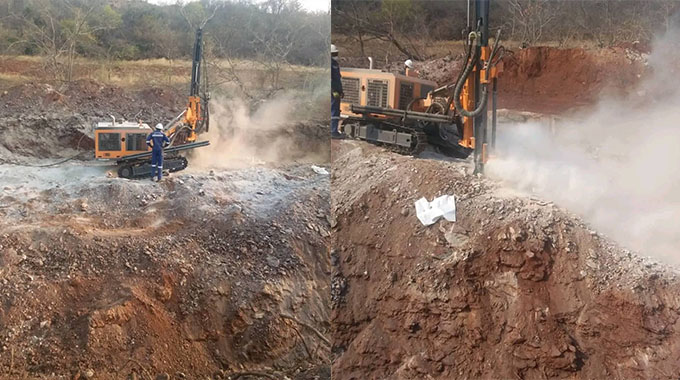
He said it was of importance for the diaspora to partner and invest in battery metals like lithium, nickel, and copper since the minerals are important for the world’s clean energy future
“Remittances have been of importance in keeping the economy afloat through playing a significant role in the health and education sectors as well as food and clothing categories. It is high time we see the diaspora channelling some of the money they are getting there to fund home projects like investing in the mining sector.
“I would personally want a situation where the diaspora takes a leading role in funding lithium, copper, and nickel projects since the energy future will greatly depend on these minerals. We have people in the diaspora who have access to capital that can fund these booming projects, which are being taken over by mostly the Chinese,” Magadhi said.
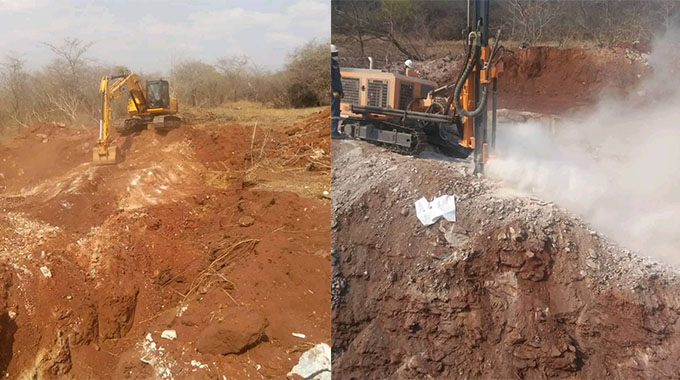
According to the Minister of Finance and Economic Development Prof Mthuli Ncube, in total, Zimbabweans abroad sent home US$797 million over the first six months of the year, 23 percent more than the same period in 2021. In 2021, diaspora remittances rose 42.7 per cent to US$1.47 billion. The Government expects them to rise even further this year.
“There has been a steady increase in international remittances, and we expect them to get to between US$1.5 billion and US$1.6 billion this year. We are considering a US dollar diaspora bond to allow Zimbabweans living outside the country to invest at fair interest rates,” Minister Mthuli Ncube said.
A recent paper by researchers Beacon Mbiba and Daisy Mupfumira posit that: “The major purposes for these remittances were largely to address health and care issues (19.23 %), school fees and education related support (19.23 %), funerals (15.38 %) and food and clothing (15.38 %).”
Remittances have played an important role in foreign currency earnings only falling behind gold, according to the Reserve Bank of Zimbabwe, legal exports of gold, Zimbabwe’s top mineral export, increased from US$1.2billion in 2020 to US$1.7 billion in 2021. The RBZ attributed the 42 per cent increase in 2021 to improved gold output and firm prices as economies recovered from COVID-19 lockdowns.



 Online Reporter