Online Reporter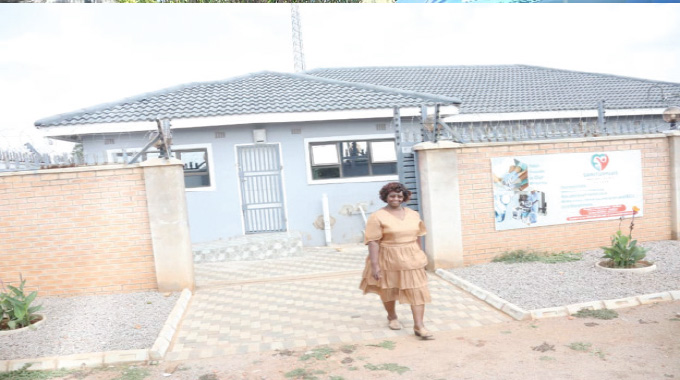
Gibson Mhaka, Senior Features Writer
PRESIDENT Mnangagwa has consistently emphasised in many of his visits outside the country that the contribution of the diaspora community is vital to Zimbabwe’s progress and prosperity.
Reiterating his “Nyika inovakwa nevene vayo/Ilizwe lakhiwa ngabanikazi balo” philosophy, the President has challenged Zimbabweans living outside the country to be self-reflective and actively contribute to the development of their homeland.
He asserts that Zimbabwe’s development can be driven by its people, regardless of where they are.
While acknowledging the critical role of the diaspora community as ambassadors of Zimbabwe and in sending remittances to support relatives and community projects, the President underscores that there is still more they can do to contribute towards achieving national goals in sectors such as agriculture, infrastructure development and universal healthcare access. He said these are goals requiring a collective national effort.
Remittances from the Zimbabwean diaspora play a significant role in bolstering the country’s economy. The financial flows help sustain millions of households, finance local businesses and fund community development projects.
In 2022 alone, Zimbabwe received an estimated US$2,5 billion in remittances, making it one of the largest sources of foreign currency for the nation. These funds are crucial, especially in a context where foreign direct investment and Government resources are often limited.
President Mnangagwa encourages diaspora remittance recipients to channel some of these funds into social infrastructure projects and health initiatives, which are essential for sustainable development.
The Government has also rolled out policies aimed at formalising remittance channels, reducing transaction costs and incentivising diaspora investment.
There is a growing need for the private sector — particularly businesses owned or influenced by the diaspora — to partner with the Government in scaling up projects that improve citizens’ livelihoods, especially in health care.
He has underscored the need to leverage diaspora remittances and expertise to accelerate progress toward universal health coverage and other national development goals.
He has noted that the private sector, with its expertise, resources and innovative capacity, has a crucial role to play in transforming the health sector and other vital areas. Strategic investments by diaspora entrepreneurs and professionals can help build resilient systems and empower local communities.
President Mnangagwa emphasises that health is central to human happiness, noting that healthy populations live longer and contribute more to economic development. This vision aligns with Zimbabwe’s aim to become an upper-middle-income economy by 2030 and meets the Sustainable Development Goals, the African Union Agenda 2063 and the goal of Universal Health Coverage.
Significant strides have been made —maternal mortality declined by 15 percent between 2019 and 2022, and malaria deaths fell by over 67 percent. Zimbabwe was also removed from the World Health Organisation’s list of high tuberculosis-burden countries.
His call has been exemplified by some Zimbabweans living in the United Kingdom who pulled resources together and constructed a Medical Clinic in Nketa, Bulawayo. The initiative is testimony of how diaspora expertise, resources and networks are being reinvested into local health systems.
Mrs Elizabeth Chisveto, Clinic Administrator, explains that the Sanitusplus Medical Clinic project represents a “reverse brain drain,” where knowledge and skills from diaspora professionals are returned and reinvested locally.
The founders are expected to bring advanced clinical experience, modern health technologies and management practices from the UK, which are adapted to fit the local context.
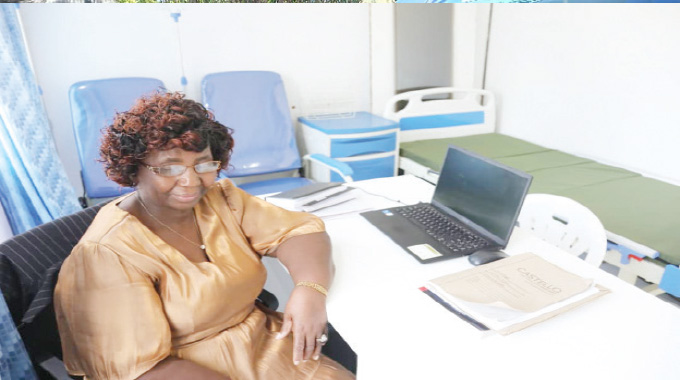
The clinic also functions as a training and mentorship hub for young Zimbabwean health professionals, fostering capacity building through workshops and exposure to modern practices. This model demonstrates that diaspora contributions can be both strategic and transformative.
She said situating the clinic in a high-density suburb embodies President Mnangagwa’s philosophy of inclusive urban growth. Mrs Chisveto explains that this placement ensures accessibility for underserved communities and emphasises a “leave no place and no person behind” approach.
The clinic aims to address gaps in continuous, patient-centred chronic disease management and preventive care, which are often neglected in overstretched public health facilities and offers specialised services for hypertension, diabetes, mental health, wellness screenings and health education — shifting healthcare from reactive to proactive.
The initiative reflects the Government’s broader development goals — leveraging diaspora remittances and expertise to strengthen national systems. By decentralising services and fostering community-based development, it aligns with Zimbabwe’s vision of inclusive progress and economic empowerment.
This model also supports the national objective of achieving universal health coverage and contributes significantly to the country’s aspiration of becoming an upper-middle-income economy by 2030.
Diaspora remittances are not just financial inflows they are a catalyst for social and economic transformation. When combined with diaspora expertise and strategic investments, they hold the power to accelerate Zimbabwe’s development agenda — building resilient health systems, creating employment and fostering inclusive urban growth.
As President Mnangagwa reminds us, Zimbabweans abroad are vital stakeholders in the nation’s future. Their active participation and reinvestment into social infrastructure are essential for realising a prosperous, healthy and resilient Zimbabwe.