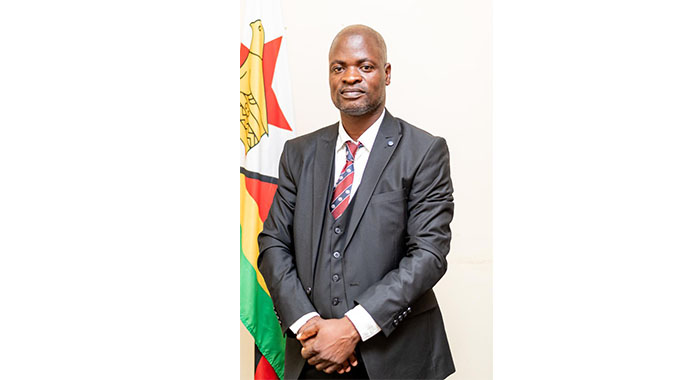
Persistence Gwanyanya
November 27, 2025 was an eventful day for the policymakers in Zimbabwe.
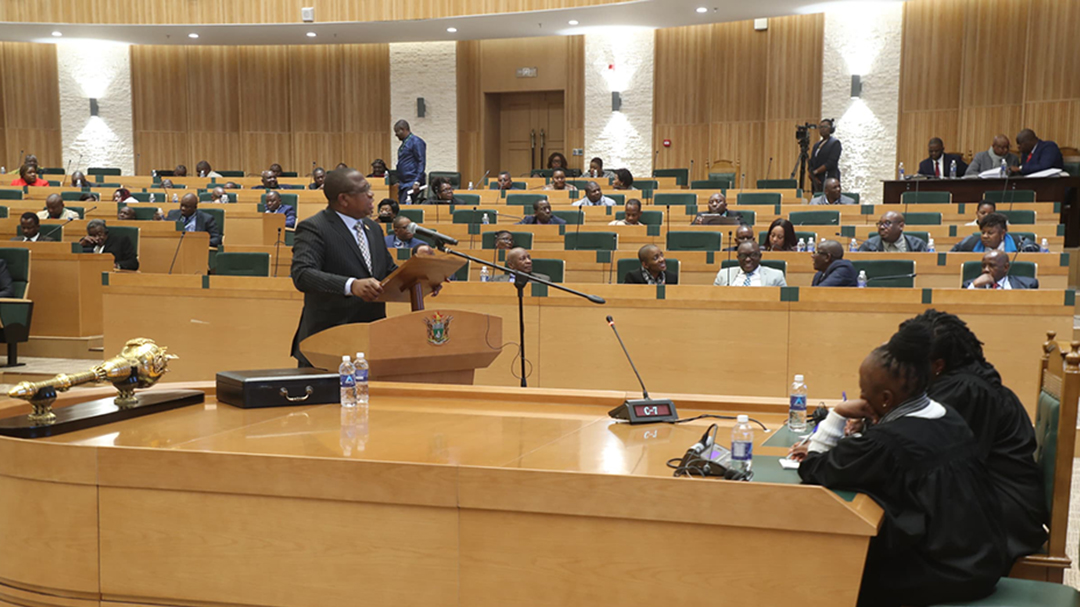
After launching the National Development Strategy 2 (NDS2) in the morning, President Mnangagwa witnessed the presentation of the 2026 National Budget by the Minister of Finance, Economic Development and Investment Promotion, Professor Mthuli Ncube, which is the first implementation tool of the NDS2.
The launch of NDS2, which precedes NDS1 as the second and last developmental strategy of Vision 2030, which is ending on December 31, 2025, invokes a sense of urgency on policymakers to accelerate the reforms towards the ultimate objective of uplifting the livelihoods of Zimbabweans to an upper middle-income economy by 2030.
Importantly, it gives us an opportunity to reflect on the journey we travelled since we embarked on the reforms in October 2018, under the auspices of Vision 2030, so that, going forward, our policies are guided by the ground we need to cover in pursuit of the ultimate objective highlighted earlier.
At annual average gross national income (GNI) per individual of US$3 200, Zimbabwe has achieved the middle-income status and still has some way to the upper middle-income status, which is defined by minimum average gross national income per individual of around US$4 516 per year.
Given the increasing incidences of external influence in the form of droughts; cyclones; the Covid-19 pandemic; geopolitical conflicts, mainly the Russia-Ukraine conflict; and lately the “Trump effect”, among others, it is only fair to commend the policymakers and Zimbabweans at large for the progress made on turning around the economy so far.
For a country that experienced more than seven incidences of drought and cyclones since 2018, average annual growth of 6,3 percent, excluding the devastating drought of 2024, the progress should be commended.
Equally commendable is the progress we made in the infrastructure development space. Indications that Zimbabwe managed to build more than 50 000km of roads since 2018 cannot be underestimated for a capital-scarce country.
Also commendable is the progress towards rehabilitation and development of irrigation infrastructure, given the country’s vulnerability to drought.
This has seen an increase in irrigable land to 221 000 hectares (ha), which is an encouraging progress towards the 2030 target of 350 000ha, necessary to build climate resilience and drive agricultural transformation.
Also encouraging is progress we have made in other infrastructure projects
such as airports, social amenities, electricity and real estate, which are seen as accelerating economic transformation going forward.
Given this progress, it is tempting to suggest that the estimated construction sector growth and projection of 4,8 percent in 2025 and 2026 is an underestimate and conservative.
While it is understood that short-term capital, which is largely in the form of annual budgets, is inappropriate for building infrastructure as it drives volatilities, it is important to highlight that due to exclusion from the international capital markets and limited access to concessionary finance, we have limited options and have to make hard choices and tough compromises for progress’ sake.
Now, it is very clear that these sacrifices and compromises are yielding dividend as the said investments in infrastructure are attracting huge and modern investments, especially in the real estate sector and fuel sub-sector, et cetera.
It appears there is a boom in the real sector, driven by both local and foreign investors, which gives us hope that with right policies, capital can be redirected to the impactful sector, notably the manufacturing sector.
Reflecting the scarifies highlighted earlier, Zimbabwe struggled for a greater part of the reform period to build durable stability.
As such, it is only fair to commend the monetary authorities for the current stability, which has lasted more than a year now and is continuing.
This stability is despite legacy effects of hyperinflation on confidence, which is a key imperative to achieving durable stability.
It appears the decision to introduce a gold-backed currency, Zimbabwe Gold (ZiG), on April 5, 2024 is paying dividends, as the local currency has been highly convertible, with importers able to access their full forex requirements on the interbank market.
ZiG convertibility has mainly been supported by the RBZ’s reserve accumulation strategy, which saw international reserves in the form of precious minerals, especially gold, and foreign currency increasing from US$276 million in April 2024 to around US$980 million in November 2025.
At the current level, the foreign reserves provide more than three times cover, and more importantly now, as focus on the conditions for durable stability of ZiG, more than 1,2 months import cover.
At this rate we should be able to achieve about five months import cover by 2030 against the target of three to six months.
As the stability measures take effect, it is comforting to note the narrowing down of parallel market premiums to acceptable levels around 20 percent.
Reflecting the effects of currency stability, inflation has been cooling off, with month-on-month inflation averaging 0,5 percent between February and September 2025, while annual inflation has eased to 19 percent in November 2025, which is within the annual target of less than 20 percent.
For the first time since 1997, Zimbabwe is expecting to achieve single-digit inflation in 2026, which can only be commendable.
However, the performance of the real sector economy is seen as key in supporting efforts towards durable stability.
As a matter of fact, presenting the 2026 National Budget, the Finance minister was answering the key questions of how growth and stability achieved so far translates into the quality of life of ordinary Zimbabweans, which is consistent with upper middle-income class standards.
As such, the 2026 National Budget seeks to entrench growth and stability.
The average annual growth rate of 5,5 percent for the seven consecutive years after embarking on reforms falls short of the 7 to 12 percent growth rate needed to achieve the Vision 2030 goals.
That is why focus has remained on measures to build resilience and accelerate growth. The performance of the agriculture sector so far gives us confidence about the progress towards transforming this sector. Commendably, the agriculture sector has surpassed its gross domestic product (GDP) target of US$5,6 billion at an estimated level of US$10,3 billion by 2030.
As efforts continue to be directed towards sustaining food security, which has risen to 85 percent from 44 percent in 2021, the agriculture sector continues to receive a significant share of the budget at ZiG26,8 billion, making it the fourth largest recipient of the budget vote.
However, despite the increase in cereal production to 2,9 million tonnes in 2025, the massive dip in production in 2024 only highlights the need for aggressive measures to build resilience in the agriculture sector. One only hopes that the progress made in wheat production extends to other cereal crops such as soya beans.
Wheat production has continued on an upward trajectory from 2019 levels of 94 000 tonnes to more than 600 000 tonnes in 2025, which is way more than the annual requirement of 360 000 tonnes.
The turnaround of the wheat sub-sector and continued growth in the tobacco sub-sector only demonstrate what believing in possibilities means.
As growth in the tobacco sub-sector continues, production of green leaf tobacco reached a historic level of 355 million kg in the 2024/2025 marketing season, up from the 190 million kg in 2019, benefitting the country with more than US$1,2 billion in forex, which is expected to increase as merchants export the crop.
While the performance of the wheat, maize and tobacco sub-sectors drove expected recovery of the agriculture sector from contraction of 18,1 percent to positive growth of 24 percent and 5,6 percent in 2025 and 2026, respectively, it is commendable that the National Budget did not limit its focus to the measures to supporting initiatives to build resilience, but to continue lifting livelihoods while guaranteeing social protection to the vulnerable, mainly the rural population through rural industrialisation programmes and social support programmes, namely, the Pfumvudza/Intwasa programme.
Read more on: www.heraldonline.co.zw
While we continue to rely the mining sector, which is expected to grow by 12,9 percent in 2024 and is projected to grow by 7,3 percent and 5,3 percent in 2024 and 2025, respectively, it is important to underscore that overreliance in primary sectors is unhealthy for the economy.
This is why the NDS2 and therefore the 2026 National Budget continue to emphasise value addition and beneficiation.
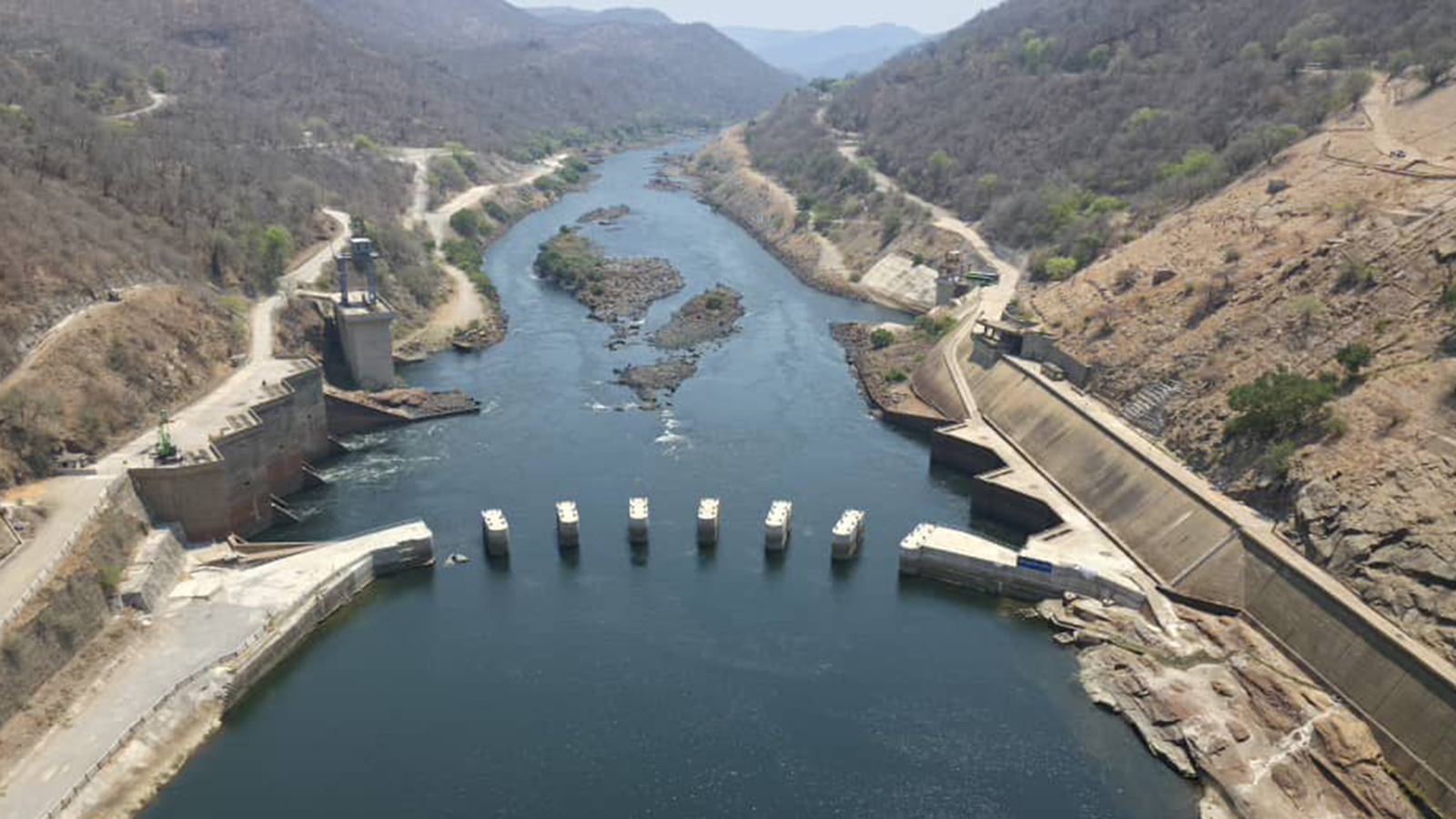
After many years of pushing for value addition and benefaction, the platinum sub-sector has now made significant progress with the commissioning of platinum beneficiation plant by Zimplats this year. The investment in the energy sector, especially the expansion of Hwange Power Station through, Hwange 7 and 8 and refurbishment of Kariba Power station will continue to drive growth of the electricity sector from 10,5 percent in 2024 to 6,8 percent and 6,7 percent in 2025 and 2026, respectively.
Also reflecting the continued reliance on natural resources the food and accommodation sector (tourism sector) is expected to grow by 2,9 percent in both 2025 and 2026.
This is despite the country having been named the best tourism destination in the world by Forbes, reflecting low activity on domestic tourism, which could also be a reflection of affordability challenges.
The performance of the economy so far points to the need to accelerate measures to climb up the value chain.
This emphasises the need to focus on the manufacturing sector. While the 2023 economic census reveals that the manufacturing sector is the highest contributor to the country’s GDP at 15,3 percent, we are concerned that share of manufacturing sector to GDP has remained way below NDS2 target of 25 percent.
This target is informed by global and regional experiences. The regional model, South Africa’s, share of manufacturing sector averaged 30 percent whilst at global level, China’s share of the manufacturing sector was 50 percent, which explains why the county rose from average GDP per capita comparable to Zimbabwe in the late 1970s to becoming the talk of new millennium and now the second largest economy in the world after the US.
As expected the 2026 Budget prioritised the implementation of ease of doing business reform, to support the industrialisation drive. Treasury indicated that the regulatory reviews for the five sectors that were concluded this year, will be passed into law with the approval of the budget.
Commendably, the Minister has set an aggressive target of the first quarter of 2026 to finalise the reviews of the remaining seven sectors, which inspires confidence.
Given the increased informality at 77 percent, the need to accelerate the easy of doing business reforms cannot be overemphasised.
Whilst market expected a significant reduction of IMTT, the tax was reduced by small percentage of 0,5 to 1,5 percent for ZiG, and, commendably, was made tax deductible.
This could be a reflection of a holistic approach to ease of doing business reforms needed to reverse informalisation, of which lMTT is only one of them.
We expect more reviews as performance of the IMTT reduction, which compensated by a similar increase of VAT to 15,5 percent is established, and as other ease of going business reforms, start to yield results.
We also noted the concern about the tiered increase in cash withdrawal tax by the market, to as high as 3 percent for cash withdrawal of more than US$10 000 per month for corporates.
We expect the Monetary Policy Committee to weigh on this proposal on its last sitting of the year set for December 1, 2025, with a view to understanding the effect of the same on financial inclusion and informalisation.
Going forward, durable stability is expected to be supported by the performance of the external sector, which has recorded historic forex inflows of US$12 billion for the nine months to 30 September 2025, and current account surplus of US$961.3 million from US$31 million in 2024. Supporting this growth is the continued increase in remittances to a projected historic level of US$2.7 billion and US$2.8 billion in 2024 and 2025, respectively.
One only hope that we capitalise on the performance of the external sector, as the growth is susceptible to changes in the global economic and financial conditions.
The move by Professor Ncube to increase the Government’s share of value from the windfall from gold rally, is unsurprising.
The Minister proposed a tiered royalty payment system for special minerals, which will see the Government equally benefiting from increased in the prices of minerals, we it seeks to generate revenue to sustain the infrastructure development and build resilience in the economy.
As Government tries to uplift the welfare of its citizens, more focus should be given to social service provision and social safety nets. There is a lot of work to do in this areas, and given the resource constraints, focus shall be more on public private partnerships.
As l wrap up, it is important to highlight the growth in the economy and the need to sustain the same.
The 2026 National Budget of US$9,5 billion is a significant increase from US$6,5 billion in 2017, before we embarked on reforms.
It is also a significant increase from US$3,8 billion when the tenure of the GNU ended.
There is need to sustain not only this growth but stability, so we deliver prosperity to the people of Zimbabwe.
Persistence Gwanyanya is an Economist, trade finance specialist, chartered banker and a member of the RBZ Monetary Policy Committee. He is also the founder and Vision Consultant of Bullion Group International. For feedback email [email protected]