Online Reporter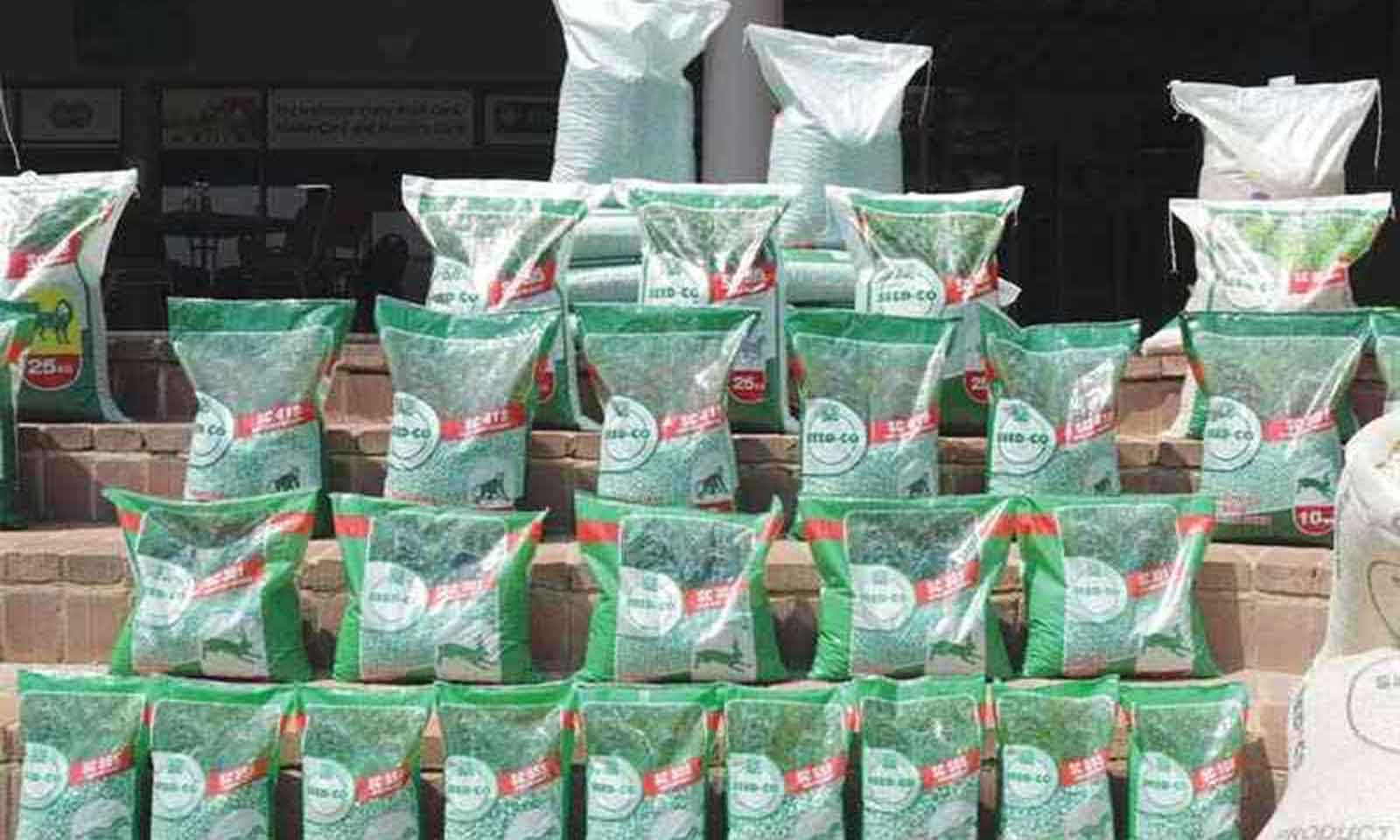
Your Money, Your Call
Cresencia Marjorie Chiremba
AS Zimbabwe’s farmers prepare their fields for the new agricultural season, a troubling trend is gaining momentum.
Counterfeit seeds and fertilisers are flooding the market, threatening harvests of the 2025/2026 season.
In recent weeks, social media has been awash with videos and photos exposing fake agricultural inputs. Farmers have shared footage of seed packets filled with shrivelled grains, pebbles or even
sand.
Fertiliser bags have been found to contain ash, sawdust or powdery substances that bear no resemblance to the genuine product. The packaging often mimics trusted brands so convincingly that many buyers only realise they have been duped when crops fail to germinate.
This wave of counterfeits comes hot on the heels of similar scandals involving fake consumer goods, including ice creams.
While those incidents raised health concerns, the infiltration of fake farming inputs strikes at the heart of livelihoods and national food security.
The timing is no accident.
With the rains beginning and planting deadlines looming, farmers are under pressure to secure inputs quickly. Many turn to informal markets and roadside vendors offering “discounted” products — often without receipts, guarantees or traceability.
In such environments, counterfeiters thrive.
For smallholder farmers operating on tight budgets, the consequences are devastating. A single purchase of fake seed or fertiliser can derail an entire season.
With no refunds and no time to replant, the financial and emotional toll is immense.
Efforts to combat the crisis are underway.
Some input suppliers have introduced scratch-and-verify codes and mobile authentication systems to help farmers confirm product legitimacy. Awareness campaigns are also gaining traction, urging buyers to avoid unverified sources and inspect packaging carefully.
Yet the problem persists.
In many rural areas, access to certified agro-dealers is limited. Long distances, high prices and stock shortages push farmers towards informal alternatives. It is a vulnerability that counterfeiters exploit with ruthless efficiency.
The issue goes beyond individual losses.
Poor yields caused by fake inputs can lead to food shortages, increased reliance on imports and erosion of trust in the agricultural supply chain.
For a country striving for food self-sufficiency and climate-resilient farming, the stakes could not be higher.
Community networks are beginning to play a role in resistance.
Farmers are sharing information about trusted suppliers, warning each other about known scams and forming informal watchdog groups.
Some have started documenting their experiences to raise awareness and demand accountability.
Agricultural experts warn that unless the supply chain is tightened and farmers are empowered to identify genuine products, the problem will persist.
Education, regulation and stronger penalties for offenders are part of the conversation — but implementation remains uneven.
In the meantime, farmers are urged to remain vigilant.
Signs of counterfeit products include inconsistent labelling, poor-quality packaging and unusually low prices.
Buying from registered dealers, even if it means travelling further or paying slightly more, could save an entire season.
The rains may have come, but for many, the season has already begun with uncertainty and
loss.
Whether this year’s harvest will bear fruit — or fall to fraud — depends on how swiftly and decisively the threat of counterfeit inputs is addressed.
Cresencia Marjorie Chiremba is a marketing, sales and customer service consultant. For suggestions and training, contact her on: [email protected] or +263712979461/0719978335/0772978335.