Online Reporter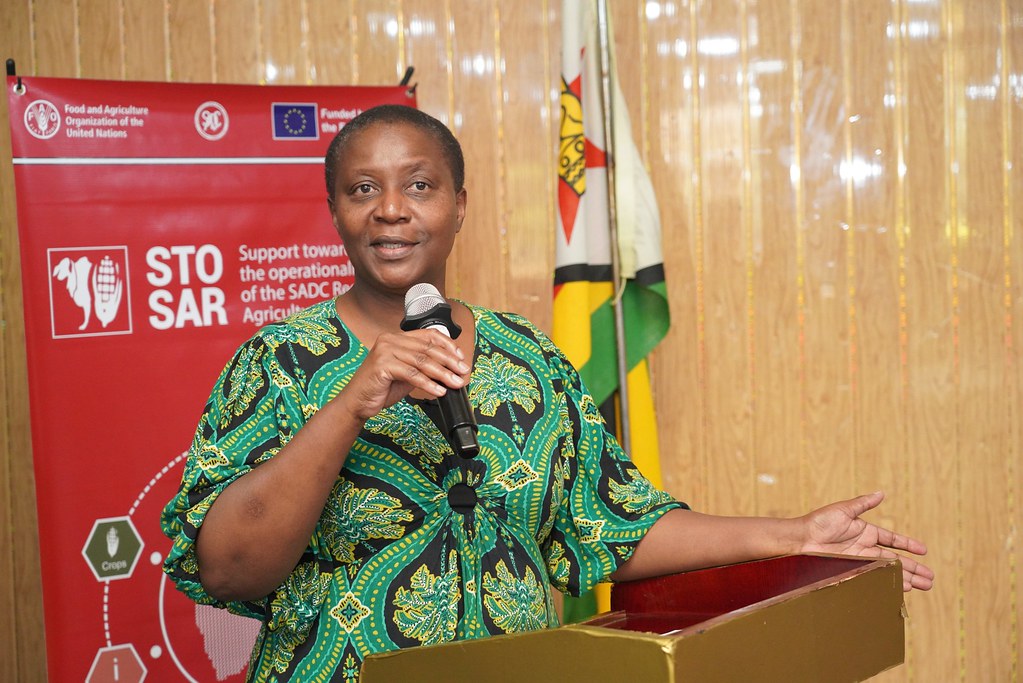
Theseus Mauruki Shambare in VICTORIA FALLS
A SHIFT towards real-time, data-driven animal health systems is underway in Southern Africa as the Food and Agriculture Organisation (FAO) strengthens digital disease surveillance tools aimed at improving early detection and response to transboundary animal diseases, including Foot and Mouth Disease (FMD).
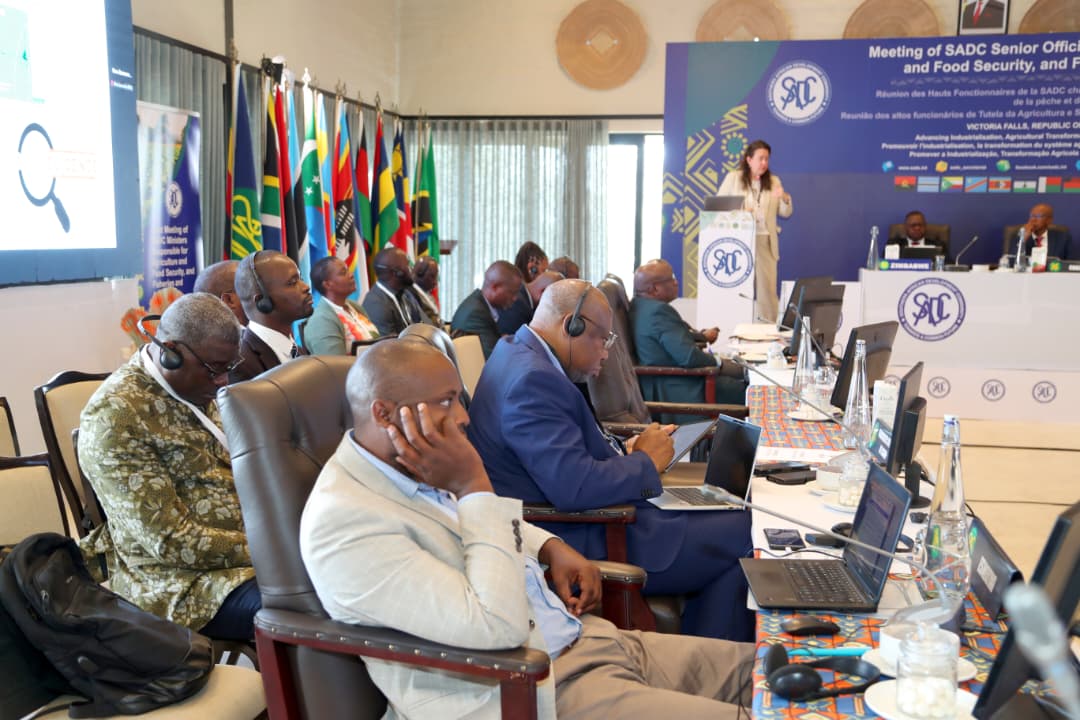
The transformation was outlined by FAO Project Officer and Team Lead for Disease Control, Emergency and Resilience, Dr Elma Zanamwe, during technical presentations at the SADC Senior Officials Meeting responsible for Agriculture, Food Security, Fisheries and Aquaculture currently underway in Victoria Falls.
Zanamwe said the region is moving away from fragmented, delayed reporting systems towards integrated platforms that allow veterinary authorities to detect, analyse and respond to disease outbreaks in real time.
She said the approach is anchored on a structured surveillance system that ensures information flows from field level to decision-makers without delay.
“We are supporting Member States to move from reactive response to proactive risk management through integrated surveillance systems that enable early detection, early warning and faster action,” said Dr Zanamwe.
She said the FAO surveillance model follows a clear workflow of collecting field data, collating it in national systems, analysing trends, disseminating alerts and triggering rapid response actions, allowing countries to act before outbreaks escalate.
The system, Dr Zanamwe said, is supported by mobile-based reporting applications, community surveillance mechanisms and interoperable national animal health databases that link veterinary services across borders.
She said the tools are designed to improve coordination between field officers, laboratories and central veterinary authorities, reducing the time between detection and response.
Dr Zanamwe warned that Foot and Mouth Disease remains a persistent threat in Southern Africa, with continued outbreaks across multiple Member States highlighting the urgency of strengthening surveillance capacity.
She noted that evolving virus dynamics in the region make early detection even more critical, particularly where cross-border livestock movement increases transmission risk.
Beyond surveillance, Dr Zanamwe said FAO is also strengthening early warning systems through global monitoring platforms that track animal health threats and provide risk alerts to countries.
“These systems are complemented by decision-support tools that help veterinary authorities assess outbreak risks, forecast disease spread and plan vaccination or containment strategies more effectively,” she said.
Dr Zanamwe said that capacity building remains central to FAO’s support, including training veterinary personnel, improving laboratory diagnostics and strengthening outbreak investigation systems.
She said the organisation is also working with countries to improve biosecurity practices and vaccination planning as part of a broader effort to reduce vulnerability to livestock diseases.
“The goal is to ensure countries are not only responding to outbreaks, but are able to anticipate and contain risks before they escalate,” she said.
She emphasised that sustained investment in surveillance infrastructure, data systems and veterinary capacity is essential for protecting livestock-based livelihoods and strengthening regional food security.
The FAO says the digital transformation of animal health systems is part of a wider effort to modernise disease control across Africa, with Southern Africa positioned as a key priority region.


 Bongani Ndlovu