admin
adminSamantha Chigogo recently in Nyanga
GOVERNMENT is making strides in addressing the low doctor-to-patient ratio in rural clinics and hospitals through the effective digitalisation of the country’s healthcare system allowing urban-based doctors to be consulted in rural areas.
This comes as over 25 medical doctors and engineers from different health institutions have been undergoing training to ensure the successful implementation of the Pan African e-network telemedicine project.
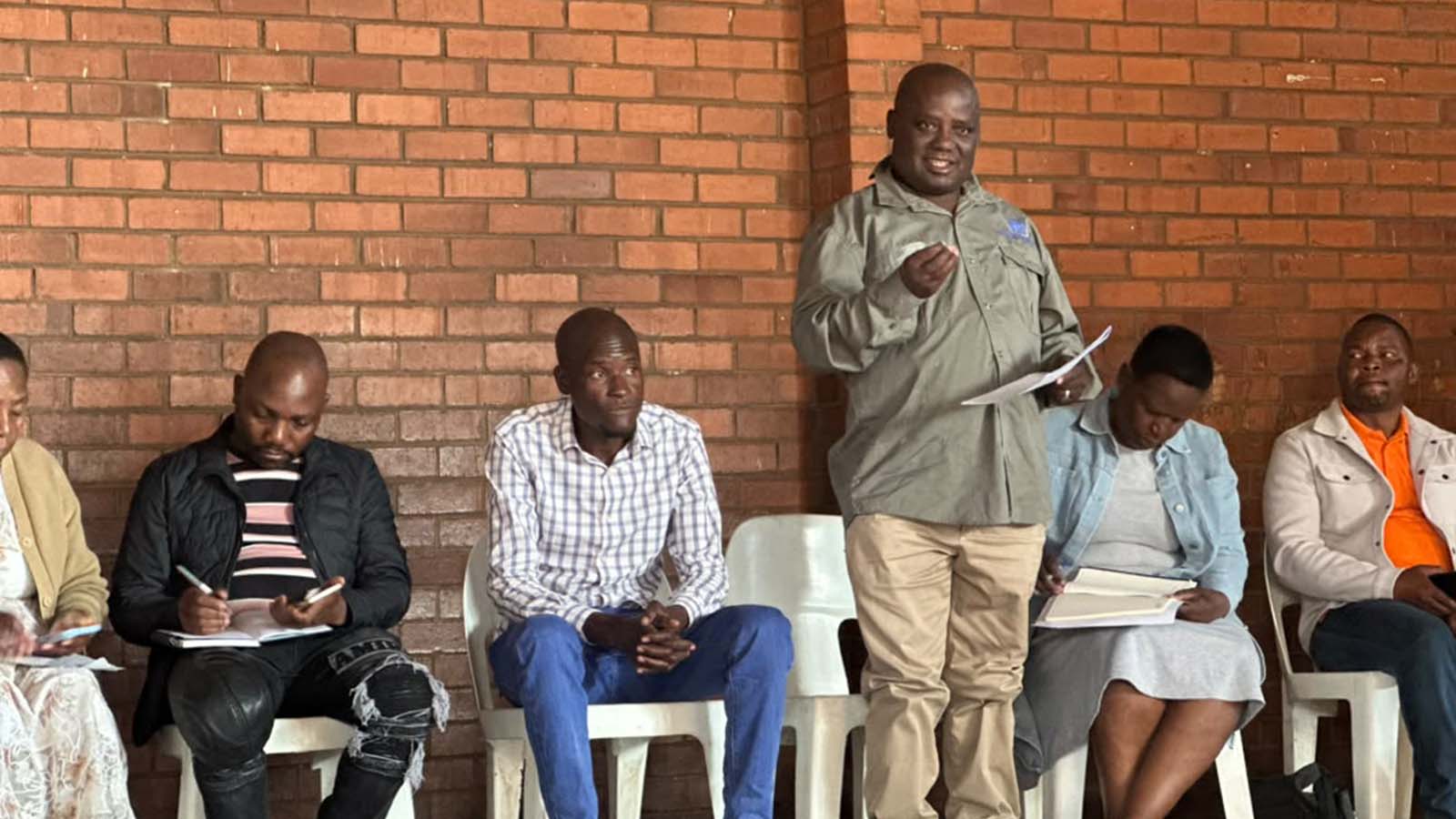
The $300 000 project, which was facilitated by the Postal and Telecommunications Regulatory Authority of Zimbabwe (POTRAZ) and the International Telecommunications Union (ITU), seeks to ameliorate service delivery challenges in rural communities through the use of facilities such as video conferencing. Addressing delegates at a training workshop in Nyanga recently, South Africa-based ITU co-ordinator Mr Wikus van der Merwe said the programme would address the low doctor-to-patient ratio affecting many African countries.
“From a healthcare perspective, we have as an example in one area where one doctor is serving about 20 000 patients so if we look at a programme like this, we can actually increase your reach by just using technology,” he said.
“South Africa implemented the project nationwide and they are also using major private-public partnerships in this project with major organisations like MTN.”
Mr Wikus said several African countries including South Africa had adopted the system with Zimbabwe being the most recent country to join the bandwagon of improved service delivery and provision of quality and accessible health services in remote and disadvantaged areas.
Nyanga District medical officer Dr Admore Jokwiro said technology was the missing link in increasing public access to quality healthcare services through video conferencing.
“When you then look at issues of equity and access it is a fact that certain facilities are available concentrated in major towns only because this is where most doctors are actually stationed. As you come down to rural areas you realise that these communities have lower and lower doctor-to-patient ratios, for instance in Nyanga District we have catchment population of 131 000 people but only six doctors and if you do the math that may come to 1:25 000 people,” Dr Jokwiro said
The programme will expand nationwide from the main hub, Parirenyatwa Group of Hospitals in Harare, to provincial, district and rural health centres/clinics as Government moves to curb the scarcity of regular services in rural Zimbabwe.


 Online Reporter