


 malvernmugadzikwa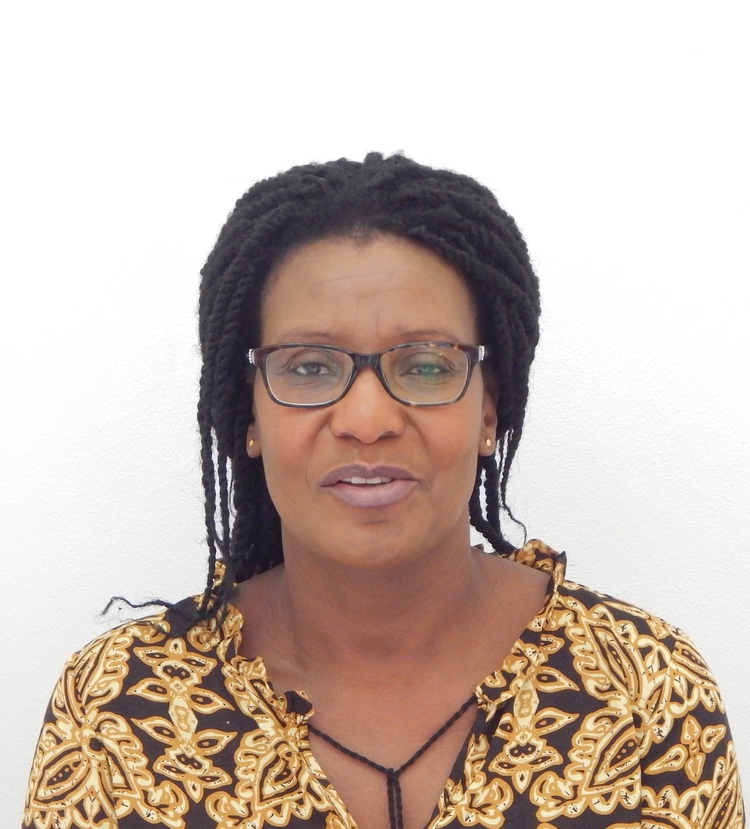
Disability Issues
Dr Christine Peta
CURRENT discussions on disability often focus on historical marginalisation, rather than exploring how this experience can fuel innovation.
Collaborating with innovators, regardless of disability status, who are committed to inclusion, is a strategic business move.
By reaching new markets, tapping into diverse talent and building inclusive networks, businesses can boost innovation and overall value. Ultimately, inclusive practices benefit everyone, including people with disabilities.
The active and meaningful participation of people with disabilities in building an innovation-led, knowledge-driven economy, as outlined in the National Development Strategy 1, is crucial in achieving an upper middle-income economy by 2030.
The Education 5.0 model, with its five-pronged approach of teaching, research, community service, innovation and industrialisation, is essential in producing graduates — both with and without disabilities — equipped with the knowledge and skills to design and produce goods and services for industrialisation and modernisation, and to address national challenges.
This approach moves beyond simply graduating students.
The country’s National Disability Policy prioritises the empowerment of people with disabilities through education.
The Government supports this by fully funding education for learners with disabilities from early childhood development (ECD) to high school and beyond, including universities, polytechnics and vocational training centres.
This creates a foundation for individuals with disabilities to acquire the knowledge and skills necessary for labour market participation and contributing to industrial development.
Businesses that truly embrace inclusivity go beyond mere compliance. They identify new opportunities and partnerships that drive growth while benefitting everyone involved.
Marginalised groups, including people with disabilities, represent a largely untapped source of innovation.
Addressing the needs of people with disabilities is not only a moral imperative but also a significant business opportunity. By pursuing business goals that align with inclusion and equity, companies can unlock economic value.
Investing in and engaging with marginalised communities can help rectify systemic inequalities while creating new commercial avenues.
For instance, the World Health Organisation estimates that nearly every person with disabilities requires at least one assistive device — wheelchairs, crutches, white canes, hearing aids, vision aids, et cetera.
These devices empower the estimated two billion people with disabilities globally, including 2,5 million in Zimbabwe, to independently manage their daily lives.
Innovation hubs can design these devices, local industries can manufacture them and various stakeholders can procure and distribute them.
Potential end users include hospitals, rehabilitation centres, schools, businesses, home care settings, individuals and communities.
Given the increasing demand for assistive devices, driven by accidents, technological advancements and rising health conditions like arthritis, local businesses should prioritise tapping into this market by establishing domestic industrial hubs.
Dr Christine Peta is a disability, public health, policy, international development and research expert. She is the national director of disability affairs in Zimbabwe. She can be contacted on: [email protected]



 Bongani Ndlovu
 Online Reporter