Online Reporter
Ryan Sibanda, Zimpapers Writer
PEOPLE with disabilities have raised concern over inaccessible pavements, deteriorating infrastructure and poor sanitation at public toilets in Bulawayo, saying the challenges are making it difficult for them to move freely and safely around the city.
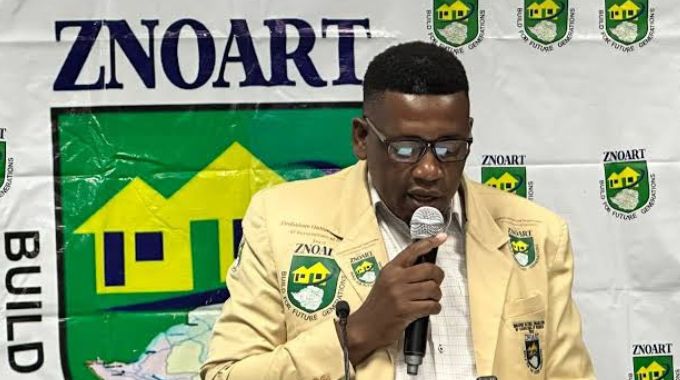
The concerns were raised during a Bulawayo City Council (BCC) budget performance review consultation programme held at Large City Hall, where persons with disabilities and representatives of various organisations, including Gateway to Elation and the Zimbabwe National Organisation of Associations and Residents Trusts (ZNOART), took part in discussions on the city’s performance and priorities.
While council highlighted road rehabilitation as one of its key achievements, disability representatives said infrastructure improvements were not adequately catering for people using wheelchairs and those with other mobility challenges.
Council has said more than 71,76 percent of its annual roads budget had been spent on road rehabilitation, with Lobengula Street currently undergoing reconstruction and Khami Road having recently been completed.
However, attendees said the focus on roads was not translating into easier movement for people with disabilities, particularly because of the poor state and limited accessibility of pavements.
During the question-and-answer session, participants raised concerns over wheelchair-unfriendly pavements, deteriorating walkways and barriers that force wheelchair users to manoeuvre on roads alongside vehicles, exposing them to accidents.
They also said some of the barricades introduced by the city to manage traffic congestion had cut off routes that were previously accessible, forcing wheelchair users to take longer routes to reach destinations that were once within easy reach.
Responding to concerns over accessible pavements, Council’s Works Department representative, Mr Sidumiso Ncube, said efforts were being made to improve accessibility, although funding remained a challenge.
“There have been efforts to increase and carter to those with disabilities. Though not all blocks, but same provide a ramps for wheelchairs it is a work in progress to fully find funding to fully revamp other pavements,” he said.
Council also indicated that the barricades were a temporary measure to address traffic congestion, with a permanent solution expected to cater for both able-bodied people and persons with disabilities.
Sanitation emerged as another major concern, with participants questioning the condition of public toilets located at City Hall corner facing Fife Street.
Attendees raised concerns over inadequate equipment, poor maintenance and the general sanitary condition of the facilities, alleging that urine, blood, human waste and overflowing water on the floors were common.
They further complained that the facilities were not adequately disability-friendly, raising concerns about the risks faced by wheelchair users and people with visual impairments.
Participants said poor sanitation and inaccessible facilities could expose people with disabilities to accidents and health risks.
Registered Nurse, Sister Lillian Mitaya, from the city’s Health Services Department urged residents to take personal responsibility for maintaining hygiene at public facilities.
She encouraged members of the public to make a personal commitment to good hygiene, saying this would help keep public toilets clean.
However, concerns remained over the broader sanitation and infrastructure challenges affecting people with disabilities.
The concerns come against the background of Council’s water, sanitation and hygiene expenditure, which stood at ZWG459 364 536 as of June against a proposed annual budget of ZWG2 074 731 400.
The expenditure, which was below half of the annual allocation by June, has raised questions over the pace of improvements to sanitation facilities in the city, particularly at a time when residents continue to demand better-maintained public infrastructure.
For persons with disabilities, the issue goes beyond convenience, with accessible roads, pavements and sanitary facilities being essential to their ability to participate fully and independently in city life.
The ongoing budget performance consultations provide a platform for disability groups to challenge the city to ensure that infrastructure and service-delivery projects take their needs into account.