malvernmugadzikwa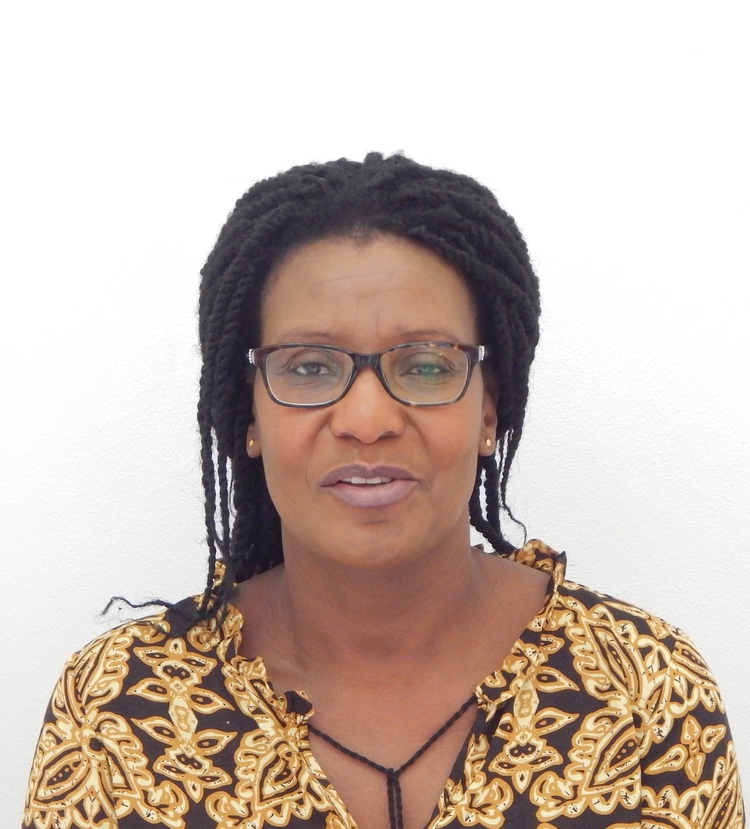
Disability Issues
Dr Christine Peta
THIS week, we delve into a multifaceted landscape where disability, religion and mental health converge.
Research shows a worrying scenario: People with disabilities often navigate a web of marginalisation and discrimination, leading to frequent mental distress. This can manifest in various ways, from social isolation due to physical limitations to unemployment or lack of accessible support services.
Yet religion acts as a powerful force in the lives of many people with disabilities and their families. It offers solace, fosters a sense of community and provides a guiding light.
Religious communities can become crucial support networks, offering safe spaces for connection and acceptance.
However, it is important to acknowledge that some religious practices or beliefs might inadvertently create barriers to inclusion for people with disabilities.
While some persons with disabilities may appreciate the role of various professionals in seeking to integrate or reintegrate them into most aspects of life, some of them may be afraid that such individuals, including healthcare and allied experts, may try to talk them out of their religions.
Professionals must, therefore, expect a client to ask questions that are related to religious beliefs. As such, there is need to create the right environment where the client can explore his or her concerns about the conflict involving disability, religion and therapy.
Although some people may not participate in any formal religious activities or may not belong to any church, for example, they may have a strong sense of spirituality that necessitates this type of discussion in professional settings, thus enhancing the mental health of persons with disabilities and their family members.
The religious meaning that some people assign to the challenges they experience in life represents their faith in the supernatural. Thus, they derive hope that one day, the problems will be overcome. Such beliefs reduce the risk of developing mental health challenges or regression among those who already have mental disabilities.
It is important for professionals to create an enabling environment that does not prohibit the client from talking about his or her religious beliefs, if he or she wishes to do so.
Some religious beliefs are harmful but suppressing such dialogue may result in the preservation and perpetuation of such practices. This may also instigate or heighten mental health challenges among persons with disabilities and their family members. This is because of the multilayered and multidimensional nature of disability. In other words, relevant professionals should provide safe spaces for persons with disabilities to freely talk about their religious beliefs and values, thus, in some ways, enhancing their mental health, as well as creating a platform where harmful religious practices can be discouraged and strategically challenged.
However, there is need for healthcare and allied professionals to guard against overpromising persons with disabilities by, for example, saying, “You do not need to worry, God will get all things right for you very soon. Before the end of this year, your eyes will open and you will be able to see”, or “By the end of this year, you will miraculously rise from the wheelchair and walk”.
Such proclamations may easily be taken to mean that persons with disabilities and their family members ought to passively submit to their conditions and await supernatural emancipation in a context where they should reject any efforts that can be made to embrace differences and achieve inclusion and empowerment.
On the other hand, professionals should not blatantly criticise or undermine people’s religious beliefs. The reality is that such beliefs play a significant role in shaping attitudes and experiences, including those of persons with disabilities and their family members.
In addition, professionals need to consider their own religious values and reflect on how their own belief systems can impact the ways in which they deliver services.
Such an approach is likely to reduce or eliminate unprofessional responses to religious beliefs that may bring about or propagate mental health challenges among persons with disabilities and their family members.
In any case, respecting the harmless religious beliefs of persons with disabilities serves to uphold the principle of respect and dignity, which is at the core of most healthcare and allied practices. As such, this eliminates the traditional professional-client relationship, which disrespects or disregards the views and belief systems of clients.
Dr Christine Peta is a disability, public health, policy, international development and research expert. She is the national director of disability affairs in Zimbabwe. She can be contacted on: [email protected]


 Online Reporter