Online Reporter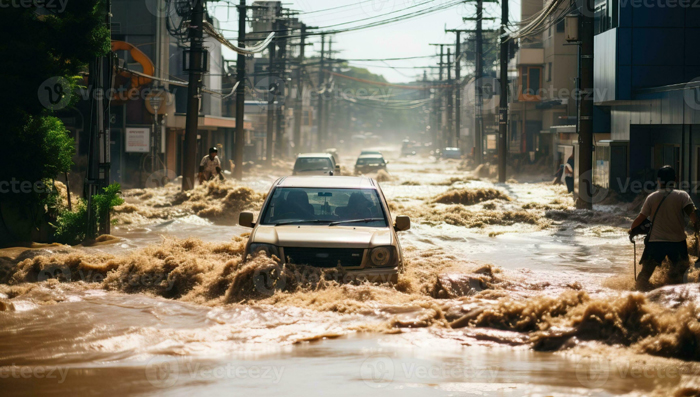
Ray Bande
Senior Reporter
AT the height of Cyclone Idai in 2019, images and video clips of disasters that had occurred overseas were widely circulated locally on social media, purporting that such events were unfolding in Chimanimani and Chipinge districts – the areas worst affected by the tropical storm.
Yes, Cyclone Idai left a trail of human and animal deaths, as well as infrastructure destruction, but some of the information that was disseminated on different social media platforms had nothing to do with the events of that unforgettable catastrophe.
That was disinformation and misinformation, at its worst!
Disinformation, which entails the deliberate and malicious production and sharing of false information and news, is fast reaching epidemic levels at local, national and global levels.
This is sadly coupled with the twin evil of misinformation, which is the spread of fake news and information unknowingly.
Both disinformation and misinformation are occurring online – through social media and digital platforms – and offline, through such means as physical meetings of different types that also include political rallies, institutional and other forms of reports, road shows and fliers, inter alia.
Disinformation and misinformation are evils that will certainly burden and harm the world and go down in history as one of the worst plagues to visit humanity in the 21st century, particularly in times of disasters.
Disinformation during disasters causes chaos by creating public panic, misdirecting emergency resources, delaying critical aid, and eroding trust in official sources, leading to increased casualties, resource misallocation, and unnecessary evacuations, while also causing long-term mental health issues and making response coordination much harder by overwhelming communication channels with false alerts and narratives.
It directly impacts public safety by fuelling false beliefs about risks, creating confusion, and potentially inciting dangerous actions, placing a dual burden on responders who must manage the crisis and debunk lies simultaneously.
Disaster Management expert, Mr Onsimo Magarabha noted: “Both misinformation and disinformation have immediate operational impacts on disaster management. This relates to resource misallocation. False information about safe zones or aid availability causes people to go to the wrong places or overwhelm services, wasting emergency resources.
“It also leads to delayed response. Aid convoys may be rerouted or cancelled due to fake security reports, delaying critical relief. There is also conflicting action. Misinformed individuals may take inappropriate actions, like confronting threats or ignoring evacuation orders, directly hindering official strategies. They also lead to communication breakdown. False alerts and rumours flood channels, making it hard to disseminate vital, accurate information from official sources,” said Mr Magarabha.
Social commentator, Ms Muchaneta Mabika said the twin evils of disinformation and misinformation curtail disaster response mechanisms.
“Disinformation and misinformation in times of disaster cause panic and anxiety. Misinformation fuels fear, confusion, and anxiety, particularly affecting vulnerable populations. The net effect is erosion of trust.
False claims about the extent of damage in disasters or mismanagement of resources in disaster response make people distrust aid organisations and authorities. They lead to dangerous actions: Fabricated content, like manipulated videos of hurricane sharks, can distract from real dangers, while other narratives might encourage risky behaviour such as confronting storms,” said Mrs Mabika.
Manicaland Provincial Director (Local Government Services and Administration), Mr John Misi, who also heads the Provincial Civil Protection Committee, weighed in, saying: “Misinformation on social media during natural disasters has become a significant challenge, with the potential to increase public confusion, panic, and distrust. Although individuals rely on social media platforms for timely updates during crises, these platforms also facilitate the rapid spread of unverified and misleading information. Consequently, misinformation can hamper emergency response efforts, misdirect resources, and distort public perception of the disaster’s true severity. We strongly urge members of the public to be responsible when circulating information during disaster response processes. We also warn perpetrators of the twin evils – misinformation and disinformation – that the long arm of the law can now deal with them under the existing cyber laws of the country.”
As the global information order becomes increasingly complex due to evolving technologies, Generative Artificial Intelligence is likely to play a significant role in producing and sharing fake news and information.
This could undermine growth, development and wellbeing globally, affecting areas such as health, economic empowerment, education and social cohesion.
Misinformation and disinformation are global threats, posing challenges for policymakers, companies and democracy.
Zurich Insurance Group notes that AI-generated fakes shared on social media can cause investor panic and reputational damage.
For instance, an AI-generated photo of an explosion at the Pentagon in May 2023 led to market volatility.
The threat of misinformation and disinformation is particularly significant during disaster response and management.