

 Online Reporter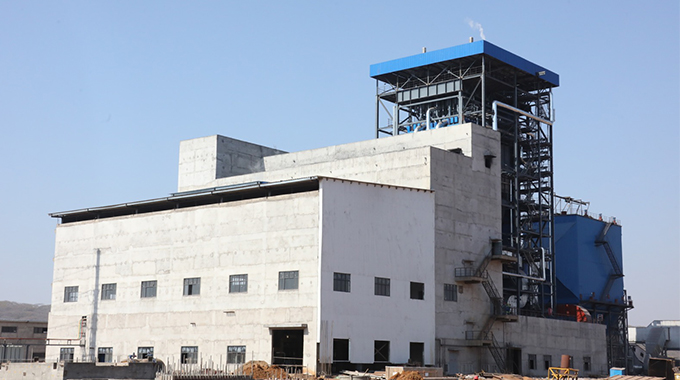
Patrick Chitumba, [email protected]
THE US$1,5 billion Dinson Iron and Steel Company (Disco) Manhize Steel Plant in Mvuma has established its own power plant generating more than 40 megawatts of electricity to support steel production, with plans to channel excess power into the national grid as part of Government’s industrialisation drive.
The move is expected to significantly reduce the company’s reliance on the Zimbabwe Electricity Transmission and Distribution Company (ZETDC), ensuring uninterrupted production while easing pressure on the national power utility.
The captive power facility is central to Disco’s operations, given the energy-intensive nature of steel manufacturing, and positions the company as both a major industrial producer and a potential contributor to Zimbabwe’s energy supply.

In an interview, Dinson Industrial Group public relations manager, Mr Joseph Shoko, said the company was complementing Government efforts in power generation, with surplus electricity earmarked for the national grid.
“Steel production is energy-intensive and places huge demand on national power supplies. As Dinson Iron and Steel Company, we are meeting our needs through internal solutions,” said Mr Shoko.
“We have established our own power plant here at Manhize and we are producing about 40 megawatts, with capacity to exceed 70 megawatts as production scales up.”
Mr Shoko said Disco has one blast furnace with the capacity to produce 600 000 tonnes of steel per annum, which is sufficient to meet local demand while supporting exports.
“We have captive power at Manhize following the construction of a power plant which can produce over 70 megawatts,” he said.

“So far, we have one blast furnace with the capacity to produce 600 000 tonnes of steel per annum, which is sufficient for the country and for export. So as production surges, we will be increasing power production.”
The power is generated using coal from Hwange, with Mr Shoko emphasising that modern, efficient technologies are being used to minimise environmental impact.
“We are not yet feeding power into the national grid as synchronisation is still underway to ensure stability of the Sherwood–Manhize power line. While the power is coal-generated, we are using efficient technology to ensure there are no harmful emissions,” he said.
Mr Shoko said Disco’s internal power generation aligns with National Development Strategy 2 (NDS2), which encourages the participation of independent power producers to boost national energy capacity and support sustainable industrial growth.
“This project benefits the entire nation. The plan is to channel excess power into the national grid to complement Government efforts and reduce pressure on the national utility,” he said.
Disco has recently expanded its product range to include hot wire rods and mill steel balls—key inputs for the manufacturing and mining sectors—further strengthening local value chains.
Since the plant became operational, Zimbabwe is estimated to be saving about US$500 million annually on steel imports, signalling tangible progress in the country’s industrialisation agenda.
The company’s expanding portfolio, which includes pig iron, steel billets and deformed bars, positions Disco as a critical supplier to downstream industries.
Once fully operational, the Manhize Steel Plant is expected to become one of the largest steel producers in sub-Saharan Africa.
Disco is a subsidiary of Tsingshan Holdings Group Limited, a global stainless steel powerhouse that also operates Dinson Colliery in Hwange, Matabeleland North, and Afrochine Smelting in Selous.
Under its phased development plan, Disco is expected to produce 600 000 tonnes of steel products in Phase One, rising to 1,2 million tonnes in Phase Two, 3,2 million tonnes in Phase Three, and ultimately five million tonnes annually in the final phase.
The expansion is projected to earn Zimbabwe hundreds of millions of dollars in foreign currency while significantly boosting national economic growth and industrial capacity.


